In the long and quiet history of life, there are moments so small they escape notice, yet so profound they reshape everything that follows. One such moment—the meeting of two simple cells—may have quietly set the stage for all complex life on Earth.
Scientists have recently reported observations that may represent a modern glimpse into a process believed to have occurred billions of years ago: the merging of simple microbial organisms in a way that resembles early steps toward complex cellular life.
This process relates to endosymbiosis, a widely accepted theory explaining how complex cells, or eukaryotes, evolved. According to the theory, one cell engulfed another, and instead of digesting it, the two formed a cooperative relationship. Over time, the engulfed cell became an integral component, such as mitochondria.
In laboratory settings, researchers have observed interactions between microbes that echo this ancient process. Certain organisms appear capable of forming stable internal associations, where one cell resides within another while contributing to shared survival.
These findings do not replicate the exact conditions of early Earth, but they provide valuable insight into how such relationships might begin. Observing these interactions in real time allows scientists to test hypotheses that were previously based largely on fossil and genetic evidence.
The study draws from microbiology, evolutionary biology, and advanced imaging techniques. By tracking cellular behavior and genetic exchange, researchers can better understand the mechanisms that enable such partnerships to form and persist.
While the transition from simple to complex life remains one of biology’s most profound questions, incremental discoveries like this help fill in the gaps. They suggest that cooperation, rather than competition alone, played a central role in evolution.
Experts caution that these observations represent early stages of understanding. The leap from microbial interaction to fully integrated complex cells involves many steps, each shaped by environmental and genetic factors.
Even so, these glimpses into microscopic partnerships offer a quiet but meaningful window into life’s distant past, where the first steps toward complexity may have begun not with conflict, but with connection.
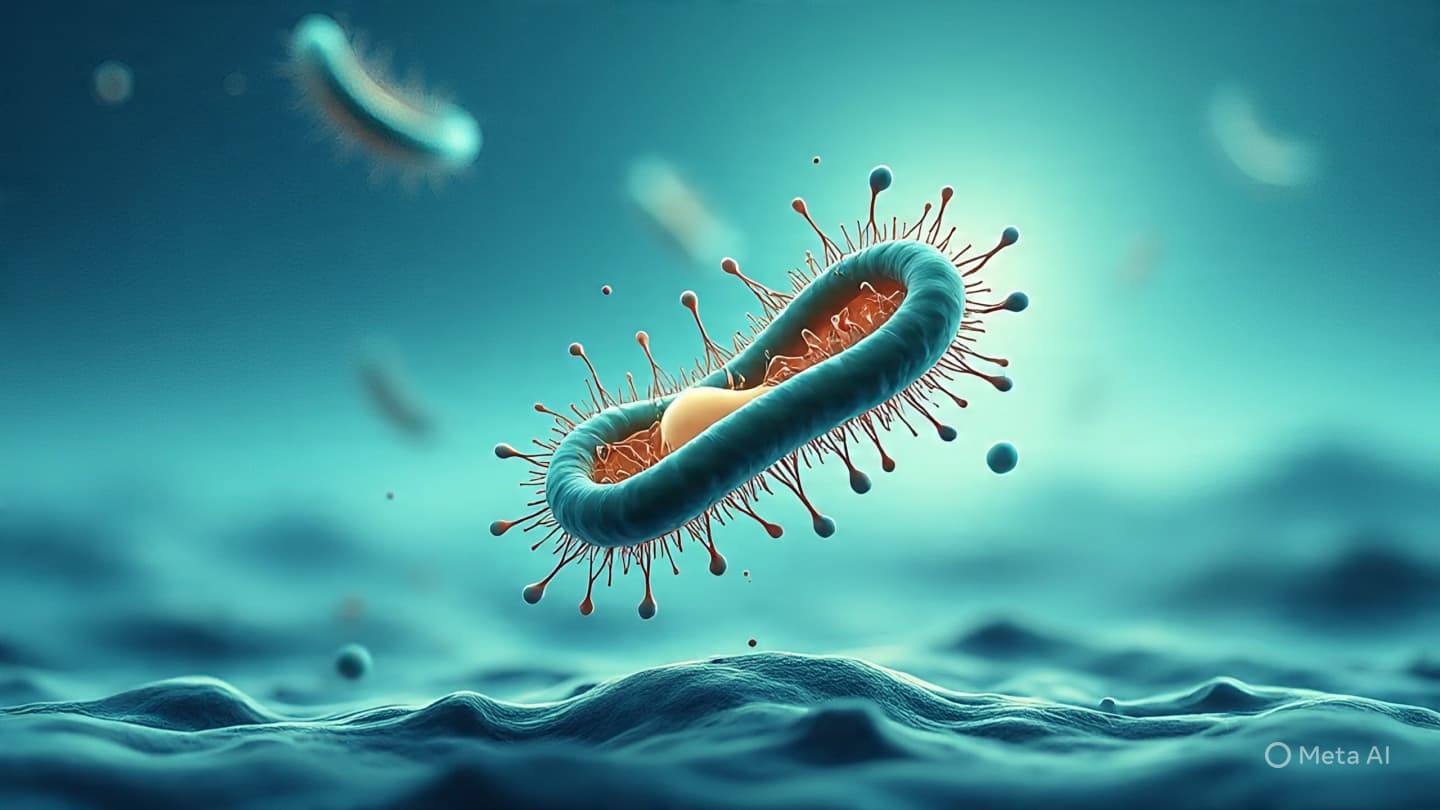
AI Image Disclaimer: Some images used to illustrate cellular processes are AI-generated and intended for conceptual visualization only.
Sources: Nature, Cell, National Institutes of Health (NIH), Scientific American
Published by Banx Network. This article is part of the Banx decentralized media programme, powered by the BXE token on the XRP Ledger.