Guayaquil is a city that breathes to the rhythm of the Pacific, its bustling port and crowded avenues alive with the constant movement of commerce and human ambition. Yet beneath the vibrant exterior of this coastal metropolis lies a complex labyrinth of shadows, where the struggles for security and control play out in the quiet hours of the night. It is a place where the concept of safety is carefully guarded, balanced constantly against the hidden currents of organized crime that seek to disrupt the urban fabric.
The news of a high-profile kidnapping ripples through a community not as a sudden shock, but as a chilling reminder of the vulnerabilities inherent in modern city life. When prominent figures are taken from their familiar surroundings, the collective peace of mind is momentarily shattered, replaced by an anxious vigilance. The response to such acts must be swift and precise, a coordinated effort by those sworn to protect the citizenry from the overreach of lawless elements.
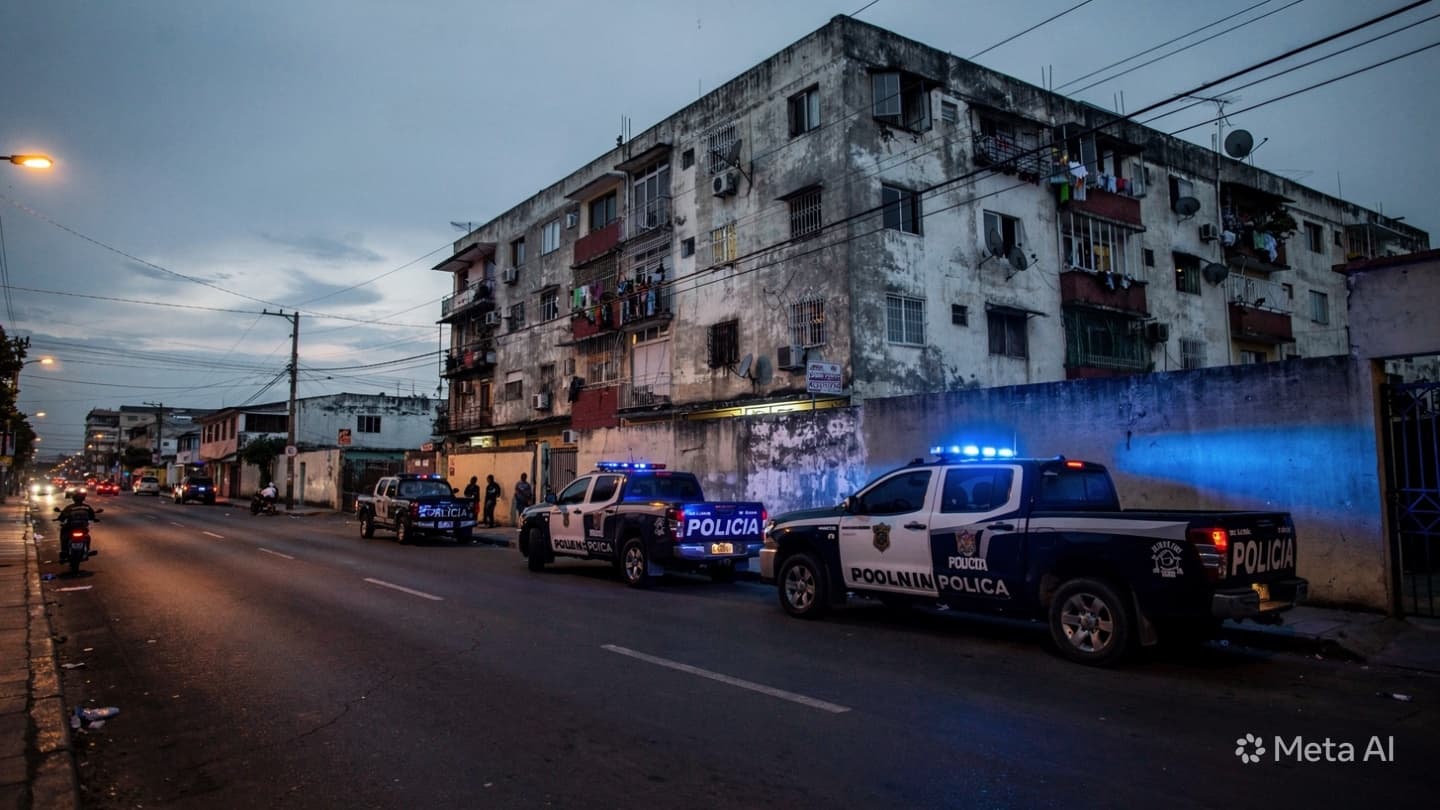
El Universo detailed the culmination of a meticulous investigation that led security forces deep into the peripheral neighborhoods of the city, where the suspects sought refuge. The operation was not a loud, chaotic display of force, but a measured, tactical intervention designed to neutralize a significant threat without endangering the surrounding public. Six individuals, alleged members of a structured criminal gang, were taken into custody during the synchronized raids.
The arrest of these gang members represents more than just a successful police operation; it is a vital severing of the networks that facilitate extortion and captivity. In the crowded sectors of Guayaquil, these criminal factions often attempt to establish their own parallel authority, using fear as a mechanism of control. By dismantling this specific cell, the national police have pushed back against the encroaching darkness, offering a semblance of justice to a worried public.
Behind every high-profile criminal case lies a trail of digital footprints, citizen tips, and grueling surveillance work that rarely makes the headlines. Investigators spent days piecing together fragmented pieces of information, tracking the movement of vehicles and analyzing communication patterns to locate the safehouses used by the syndicate. It is a silent war of intellect and patience, fought in darkened rooms before the final move is made on the ground.
The city itself seems to hold its breath during these high-stakes interventions, its residents acutely aware of the thin line that separates order from chaos. The neighborhoods where the raids occurred are often caught in the crossfire of competing interests, their inhabitants longing for a permanent reprieve from the anxiety of violence. The presence of specialized police units brings a temporary sense of relief, a sign that the state has not abandoned the streets.
As the suspects are processed through the judicial system, the focus shifts from the tactical execution of the raid to the legal challenges of securing lasting accountability. The prosecution must build an airtight case, using the evidence gathered during the arrests to ensure that the criminal network cannot easily reconstitute itself. This phase of the struggle is quiet and bureaucratic, yet it is where the true victory over lawlessness is ultimately won.
Guayaquil continues its daily march, its markets filling and its ships loading, even as the echoes of the recent arrests linger in the background. The city's resilience is found in its ability to absorb these tremors of insecurity and continue moving forward, unbowed by the criminal elements that operate within its borders. The struggle for safety remains ongoing, a continuous effort to preserve the peace of this vital coastal gateway.
National Police officials confirmed the arrest of six individuals in Guayaquil tied to a prominent kidnapping ring that targeted local entrepreneurs. The operation yielded communication equipment, vehicles used in the crimes, and small arms, all of which have been submitted to the judiciary as evidence for the upcoming trial.
Published by Banx Network. This article is part of the Banx decentralized media programme, powered by the BXE token on the XRP Ledger.