
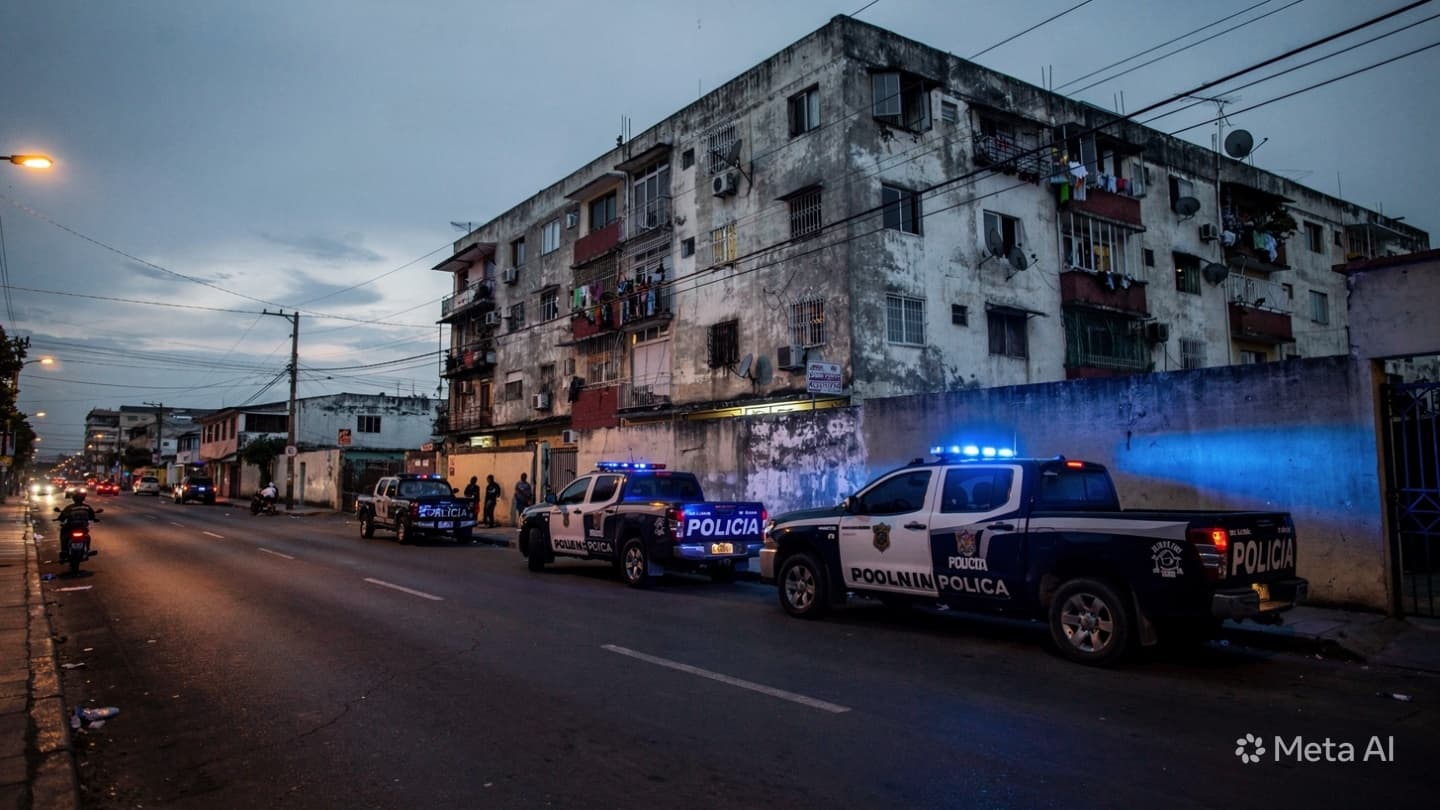
Key Highlights
- Six suspects arrested in Guayaquil linked to a kidnapping ring.
- Police operation aimed at dismantling organized crime networks.
- Evidence collected includes communication devices and firearms.
Guayaquil, a vibrant coastal city in Ecuador, is known for its bustling port and lively streets. However, beneath this lively exterior lies a complex web of challenges, particularly concerning public safety. The recent arrest of six individuals linked to a prominent kidnapping ring has brought the issue of organized crime to the forefront of community concerns, highlighting the ongoing struggle for security in urban environments.
The kidnapping of local entrepreneurs has sent shockwaves through the community, serving as a stark reminder of the vulnerabilities that exist in modern city life. The response from law enforcement was swift, with the national police launching a coordinated operation to apprehend the suspects. According to reports from El Universo, this operation was characterized by its tactical precision, aiming to neutralize the threat without causing unnecessary panic among residents.
The arrests were the result of an extensive investigation that involved meticulous planning and intelligence gathering. Police forces tracked the movements of the suspects, piecing together information from various sources, including citizen tips and surveillance data. This methodical approach underscores the silent yet intense battle against organized crime, where success often hinges on patience and strategic execution.
During the raids, law enforcement officials seized critical evidence, including communication equipment and vehicles used in the kidnappings. These items have been submitted to the judiciary as part of the ongoing legal proceedings against the suspects. The operation not only represents a significant blow to the criminal network but also serves as a beacon of hope for residents who have been living under the shadow of fear and uncertainty.
The neighborhoods affected by these raids are often caught in a precarious balance between order and chaos. Residents are acutely aware of the dangers posed by organized crime, which seeks to establish its own authority through intimidation and violence. The presence of specialized police units during these operations provides a temporary sense of relief, signaling that the state is actively working to reclaim control over the streets.
As the suspects move through the judicial system, the focus shifts to the prosecution's efforts to secure a conviction. Building a strong case against organized crime requires not only the evidence gathered during the arrests but also a commitment to ensuring that these criminal networks cannot easily regroup. This phase of the struggle is often less visible but is crucial for achieving lasting accountability and restoring public trust.
Despite the challenges posed by organized crime, Guayaquil continues to thrive. The city's markets bustle with activity, and its port remains a vital hub for commerce. The resilience of its residents is evident as they navigate the complexities of urban life, striving for safety and stability amid the ongoing fight against crime. The recent arrests serve as a reminder that while the struggle for security is ongoing, the community's determination to reclaim its streets remains strong.
In conclusion, the arrest of six individuals linked to a kidnapping ring in Guayaquil marks a significant step in the fight against organized crime. As the judicial process unfolds, the hope is that these actions will lead to a safer environment for all residents, allowing the city to continue its march toward progress and prosperity.
Published by Banx Network. This article is part of the Banx decentralized media programme, powered by the BXE token on the XRP Ledger.



