In the quiet corridors of our educational institutions, there exists an unspoken covenant of trust between educators and those they guide. It is a relationship built on the foundation of safety, mentorship, and the profound responsibility of shaping young minds. When this trust is challenged, the ripple effects extend far beyond the immediate individuals involved, touching the very heart of the community that relies on these spaces for growth and learning.
Recent reports from Nova Scotia have brought to light a distressing case where a teacher has been charged with sexually assaulting a student at a school. The allegations, which are currently being addressed through the legal system, serve as a somber reminder of the vulnerabilities that can exist even in places designed for protection and development. The Royal Canadian Mounted Police have initiated investigations to ensure that every aspect of the incident is thoroughly examined with the diligence it demands.
The community response has been one of careful reflection, balancing the need for justice with the understanding that such cases are complex and deeply personal. For parents and students alike, the news invites a moment of pause, encouraging conversations about safety protocols and the importance of vigilance without succumbing to fear. It is a time when the collective conscience of the region turns inward, assessing how best to support those affected while maintaining the integrity of the educational environment.
Legal proceedings in such matters are often lengthy and meticulous, designed to protect the rights of all parties while seeking the truth. The charges reflect a serious breach of professional and ethical boundaries, highlighting the strict standards that educators are expected to uphold. As the case moves forward, it underscores the role of law enforcement in addressing misconduct and ensuring that accountability is maintained within public institutions.
Educational authorities have reiterated their commitment to student safety, emphasizing that any violation of trust is taken with the utmost seriousness. These statements often serve to reassure the public that systems are in place to prevent such occurrences and to respond swiftly when they do arise. The focus remains on creating an atmosphere where students feel secure and supported, free from the threat of exploitation or harm.
For the students involved, the impact can be profound, affecting their sense of security and their ability to engage fully in their academic lives. Support systems, including counseling and community resources, play a crucial role in helping them navigate the aftermath of such events. It is a reminder that behind every headline are individuals whose lives are intertwined with the outcome of these legal and social processes.
As society continues to evolve, so too does our understanding of power dynamics and professional conduct. Cases like this prompt ongoing discussions about training, oversight, and the cultural norms within educational settings. They challenge us to remain vigilant and proactive, ensuring that the sanctity of the classroom is preserved for future generations.
While the legal process unfolds, the community remains focused on healing and reinforcement of trust. The hope is that through transparent investigation and steadfast support, the integrity of the educational system can be upheld, providing a safe harbor for all who enter its doors.
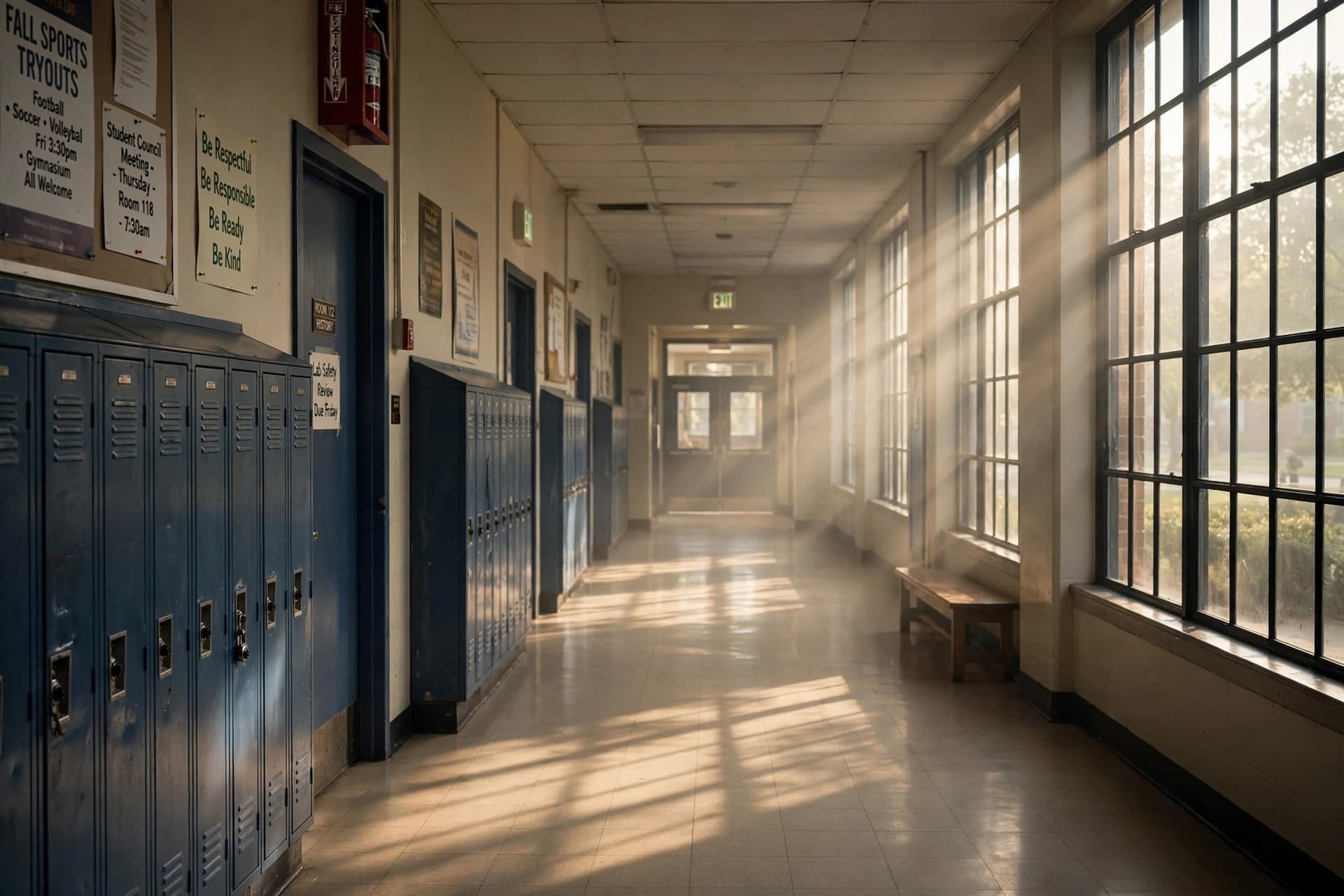
AI Image Disclaimer: The accompanying visuals for this piece were generated using artificial intelligence to provide a neutral, reflective aesthetic suitable for the subject matter.
Sources: CBC News Global News The Canadian Press RCMP Nova Scotia
Published by Banx Network. This article is part of the Banx decentralized media programme, powered by the BXE token on the XRP Ledger.