
Key Highlights
- Rising Gang Activity:Increased illicit networks disrupt rural life in New Zealand's North Island.
- Police Response:Specialized task forces deployed to restore community stability.
- Community Impact:Residents adapt to heightened tensions and law enforcement presence.
The North Island of New Zealand is renowned for its picturesque landscapes, characterized by rolling green pastures and serene provincial towns. However, beneath this idyllic exterior, a troubling shift is occurring as rising gang activity begins to disrupt the traditional way of life in these communities. The once peaceful towns are now grappling with the encroachment of illicit networks, which have started to alter the social fabric and dynamics of daily life.
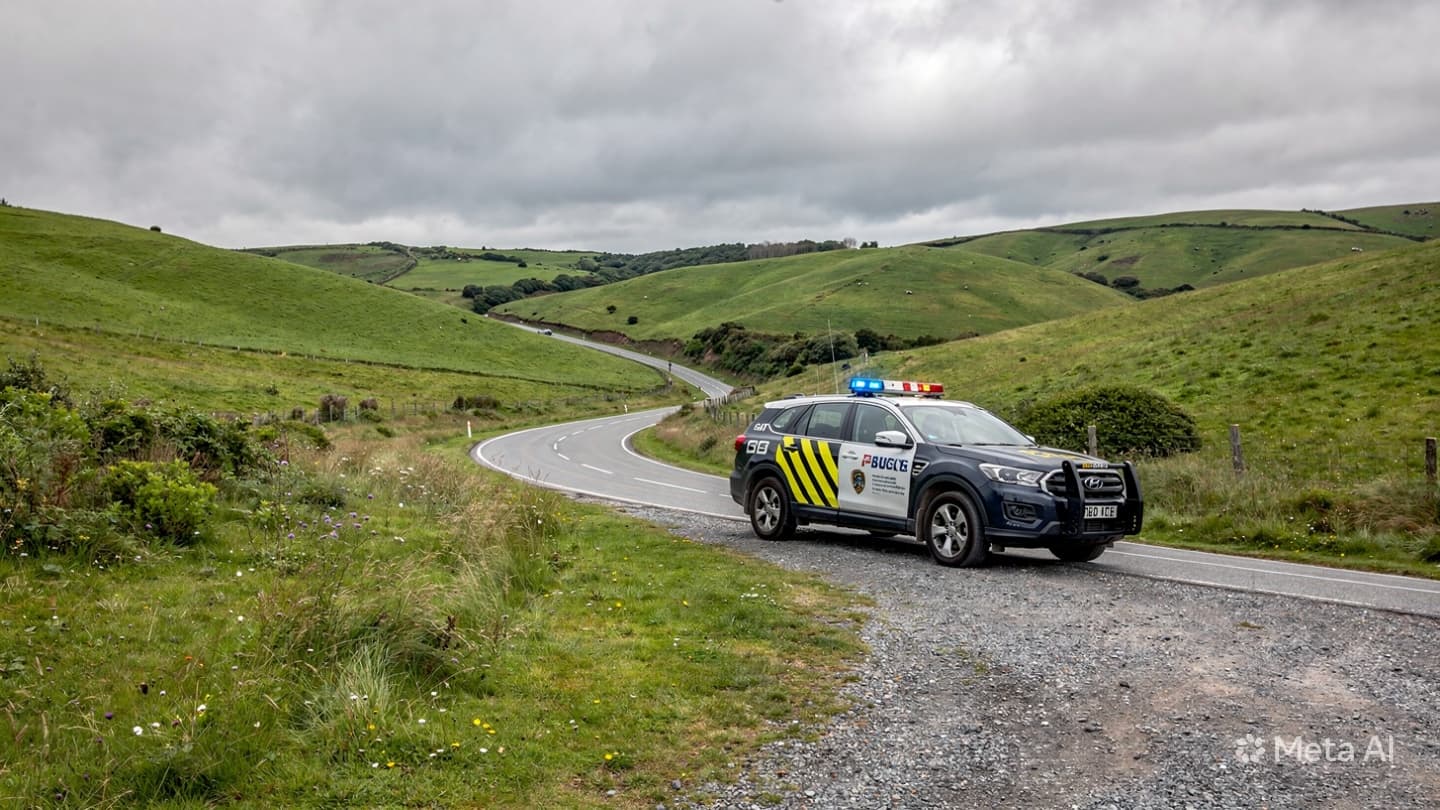
In recent months, the New Zealand authorities have observed a significant increase in gang-related activities across several regions of the North Island. This surge has prompted a coordinated police response aimed at curbing the influence of these criminal factions. Specialized task forces have been deployed to conduct targeted raids, establish vehicle checkpoints, and enhance police visibility in affected areas. The objective is clear: to disrupt the distribution networks of illicit goods and restore a sense of safety and stability to the communities.
As the police presence increases, residents are feeling the impact of these changes. Parents are more vigilant, shopkeepers are locking their doors earlier, and the once open and friendly interactions among neighbors are now tinged with caution. The realization that criminal elements have infiltrated their tranquil surroundings has left many community members anxious and uncertain about the future. The challenge lies not only in addressing the immediate threat posed by gangs but also in preserving the identity and cohesion of these close-knit communities.
The police operations, while necessary, are not without their complexities. Officers must navigate tightly knit networks where trust is paramount. Building relationships with residents who may feel caught between local factions and law enforcement is crucial for effective policing. The process involves gathering intelligence, conducting targeted interventions, and maintaining a consistent presence to deter illicit activities before they escalate further.
Elders and civic leaders in the North Island are engaging in quiet discussions about the long-term implications of these enforcement efforts. There is a growing recognition that simply increasing police presence will not resolve the underlying social issues that allow criminal networks to thrive. Addressing the root causes of gang activity—such as economic vulnerability and lack of opportunities for youth—will be essential for fostering community resilience and ensuring a sustainable future.
Despite the challenges posed by rising gang activity, the natural beauty of the North Island remains unchanged. The mist continues to settle over the hills, and the rivers flow steadily to the sea. As the police crackdown unfolds, the hope is that communities can return to the quiet normalcy that has long defined life in this region. The road to recovery may be fraught with difficulties, but the commitment to preserving the unique identity of these towns remains strong.
In conclusion, the coordinated police response to rising gang activity in New Zealand's North Island reflects a broader struggle to maintain community safety and cohesion in the face of external pressures. As authorities work to restore stability, the resilience of the residents will be tested, and the lessons learned during this challenging period will shape the future of these communities.
Published by Banx Network. This article is part of the Banx decentralized media programme, powered by the BXE token on the XRP Ledger.



