
Key Highlights
- Shifting Patterns:Tourists in France are exploring during cooler hours to avoid extreme heat.
- Business Adaptations:Attractions and services are adjusting schedules and offerings to enhance visitor comfort.
- Economic Importance:Tourism remains vital to France's economy, necessitating effective responses to climate challenges.
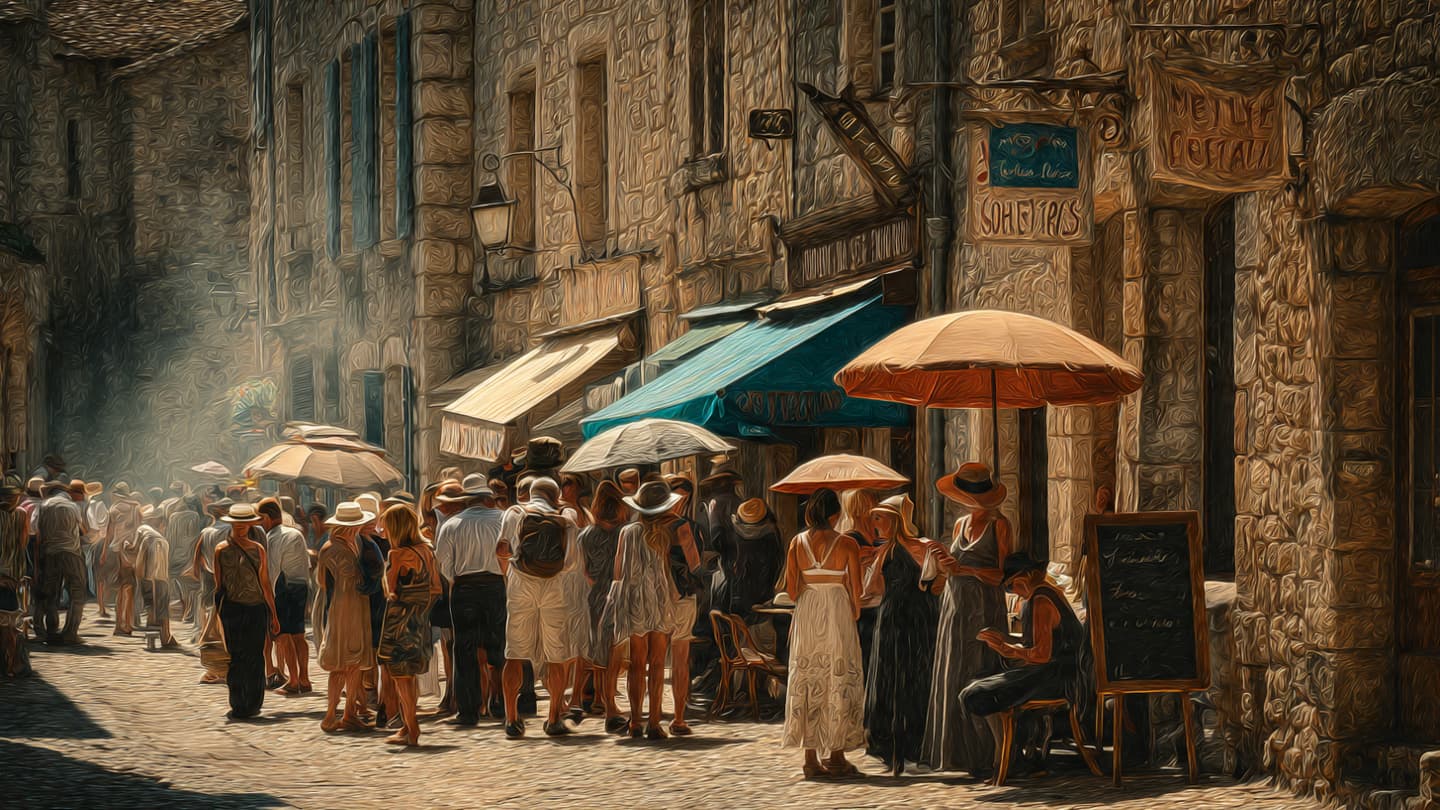
The tourism landscape in France is undergoing a significant transformation this summer as extraordinary heatwaves influence how travelers engage with the country's rich offerings. Traditionally, the allure of warm weather and extended daylight hours draws millions to France, but this year, the soaring temperatures are prompting both tourists and businesses to rethink their strategies. Many visitors are now opting to explore cities during the early morning or late evening, steering clear of outdoor activities during the hottest parts of the day.
In response to these shifting visitor behaviors, attractions, restaurants, and tour operators are adapting their schedules. Walking tours that typically occur in the afternoon are increasingly being scheduled for earlier in the day, while outdoor events are modifying their operating hours. Some attractions have even introduced additional shaded areas and hydration stations to ensure that visitors remain comfortable without sacrificing their overall experience.
Flexibility has emerged as a crucial asset for tourism professionals. Hotels, museums, transportation providers, and local businesses are closely monitoring weather forecasts and adjusting their operations accordingly. This proactive approach not only addresses immediate challenges but also showcases resilience in the face of changing environmental conditions. The ability to adapt is essential for maintaining visitor confidence and ensuring that the tourism sector can thrive despite the heat.
Travelers themselves are demonstrating a willingness to modify their plans rather than cancel trips altogether. Many are opting for indoor activities during peak temperatures and prioritizing destinations that offer cooler environments. This shift has resulted in a noticeable change in the daily rhythm of tourism across various regions in France, as visitors embrace the opportunity to experience attractions at different times of day.
Economic analysts emphasize the importance of tourism to France's economy, making it imperative for businesses and local authorities to maintain visitor confidence during extreme weather events. Effective communication, safety measures, and service adjustments play a vital role in ensuring positive experiences, even in challenging conditions. The ongoing heatwave has sparked discussions about the future of tourism in a warming climate, with industry leaders exploring how destinations can adapt their infrastructure and support sustainable travel practices.
Researchers studying travel behavior are increasingly noting that climate considerations are becoming a significant factor in destination planning. While cultural attractions and natural beauty remain major draws, weather conditions are playing a more prominent role in shaping visitor decisions. This trend underscores the need for the tourism industry to evolve in response to environmental changes.
Despite the challenges posed by the heatwave, France continues to welcome travelers from around the globe. Historic landmarks, cultural institutions, and regional destinations remain vibrant, even as their schedules evolve to reflect the realities of the season. Many visitors are discovering new perspectives by exploring destinations at different times of day, enriching their travel experiences.
As the summer progresses, the tourism sector will continue to adapt to these changing conditions. The current heatwave has highlighted both the vulnerabilities and strengths of one of France's most important industries. Through flexibility, preparation, and innovation, tourism operators are striving to ensure that visitors can safely enjoy the country, even under the intense summer sun.
Published by Banx Network. This article is part of the Banx decentralized media programme, powered by the BXE token on the XRP Ledger.



