
Key Highlights
- 28 Muslim travellers were abducted by gunmen in central Nigeria.
- The incident reflects ongoing insecurity and banditry in the region.
- Families are left waiting for news amid a backdrop of weak security.
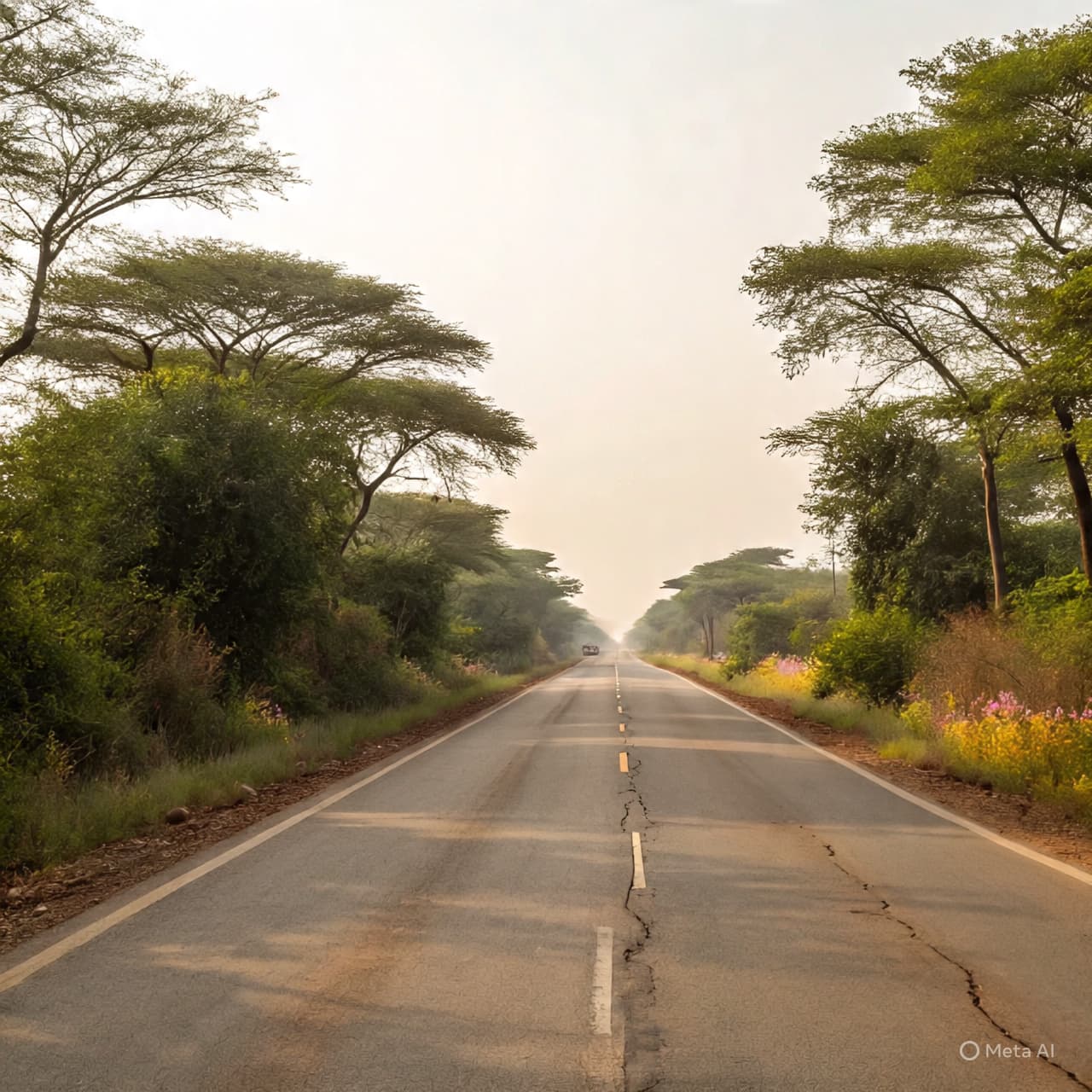
The road through central Nigeria has long carried more than just traffic; it bears stories of trade, travel, and families moving between towns. However, this stretch of highway recently became the scene of a harrowing incident when gunmen interrupted the ordinary rhythm of movement with fear. According to local authorities, 28 Muslim travellers were abducted when armed assailants stopped their vehicle, forcing passengers away from the road and into uncertainty. The attack unfolded swiftly, leaving behind an empty stretch of pavement and families who would soon begin waiting for news.
Such incidents have become painfully familiar in parts of Nigeria, where banditry, kidnappings for ransom, and armed violence have taken root amid weak security and vast rural terrain. Travellers, particularly those moving in groups or along isolated routes, have grown accustomed to prayerful caution — choosing daylight travel, avoiding certain roads, and relying on word-of-mouth warnings. Initial reports indicate the victims were en route between communities when they were intercepted. Security forces later arrived at the scene, but the attackers had already vanished, blending into forests that have increasingly become sanctuaries for armed groups. No immediate claim of responsibility was made.
For the families of those taken, time now stretches unevenly. Kidnappings in the region often lead to prolonged negotiations, mediated by community leaders or intermediaries, while relatives struggle to gather information and, in many cases, ransom payments. Officials say efforts are underway to locate the abducted travellers, though details remain limited. The broader context is one of mounting insecurity across Nigeria’s central and northern regions. While the motives of armed groups vary — from financial gain to local grievances — the effect is consistent: roads emptied of confidence, communities locked into vigilance, and ordinary movement turned into calculated risk.
Government officials have repeatedly pledged to restore safety along major transport routes, deploying security forces and launching operations against armed groups. Yet attacks like this one underscore the challenge of securing vast areas with limited resources and competing crises. As night fell after the abduction, the road reopened, traffic resumed, and the landscape returned to its quiet appearance. But for 28 travellers and those who love them, the journey remains unfinished — paused somewhere beyond the reach of headlights, waiting for release.
Published by Banx Network. This article is part of the Banx decentralized media programme, powered by the BXE token on the XRP Ledger.



