
Key Highlights
- New Initiative:Heilbronn introduces a waste control police unit.
- Civic Responsibility:Officers enforce proper waste disposal and recycling.
- Cultural Shift:The initiative reflects Germany's commitment to sustainability.
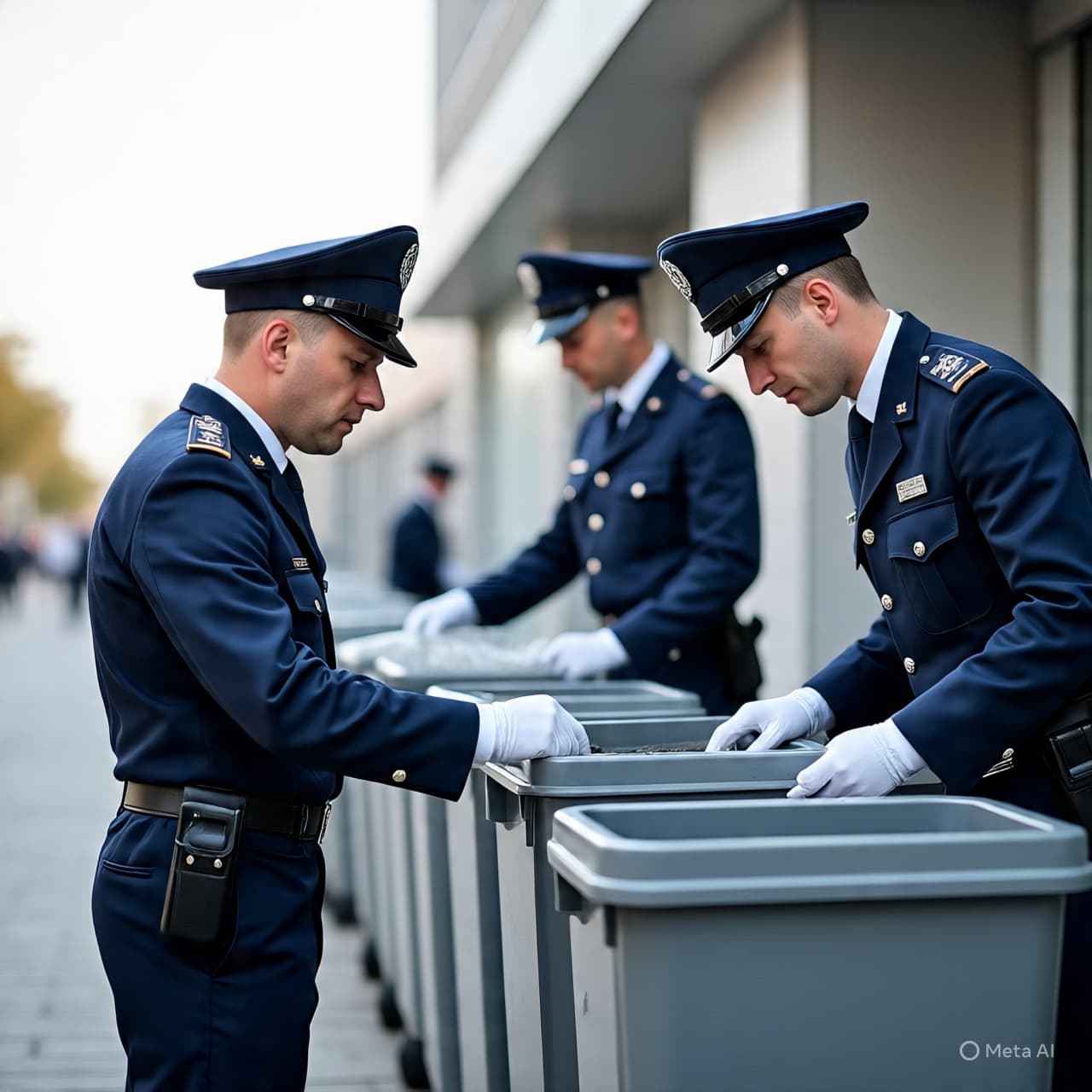
In Heilbronn, a picturesque city in southern Germany, a unique initiative has emerged that redefines civic responsibility: the establishment of a waste control police unit. This new team is not engaged in traditional law enforcement activities; instead, they patrol the streets to ensure that residents adhere to proper waste disposal practices. Their duties include monitoring litter, verifying compliance with recycling protocols, and educating the public on waste sorting. This initiative represents a significant shift in how environmental issues are approached in urban settings.
The concept of policing waste may seem trivial to some, yet it underscores a broader cultural narrative in Germany. In a nation where order and rules are deeply ingrained in the social fabric, the act of sorting trash transcends mere obligation; it has become a civic ritual. The waste control police are tasked with maintaining this ritual, ensuring that the community remains engaged in sustainable practices. This proactive approach aims to foster a sense of accountability among residents, encouraging them to take ownership of their environmental impact.
Germany's commitment to sustainability has evolved over the years, with climate-related discussions permeating corporate and civic dialogues alike. The introduction of waste control officers in Heilbronn is a testament to this evolution. By treating waste management as a matter of public order, the city is testing a hypothesis: that enforcing environmental compliance can lead to quicker behavioral changes than traditional educational campaigns. This initiative reflects a growing recognition that waste is not merely a byproduct of modern life but a critical indicator of societal values and priorities.
As these officers patrol the streets, they are not just enforcing rules; they are shaping the future of urban living in Germany. The presence of waste control police may evoke mixed reactions from the public. Some may view it as an overreach, while others may see it as a necessary step toward a more sustainable future. The irony lies in the fact that this initiative may not be solely about garbage; it is about the kind of society Germany aspires to be—a society where sustainability is not just a buzzword but a regulated reality.
The implications of this initiative extend beyond Heilbronn. As cities around the world grapple with waste management and environmental sustainability, the approach taken by Heilbronn could serve as a model for others. By integrating waste management into the framework of civic responsibility, cities can foster a culture of sustainability that resonates with residents. The success of this initiative may inspire similar programs in other urban areas, ultimately contributing to a more sustainable future.
In conclusion, Heilbronn's waste control police represent a bold step in redefining civic engagement and environmental stewardship. As the city navigates this new frontier, it will be essential to monitor the outcomes of this initiative and its impact on community behavior. The future of urban living may very well depend on how effectively cities can enforce and promote sustainable practices, one street at a time.
Published by Banx Network. This article is part of the Banx decentralized media programme, powered by the BXE token on the XRP Ledger.



