
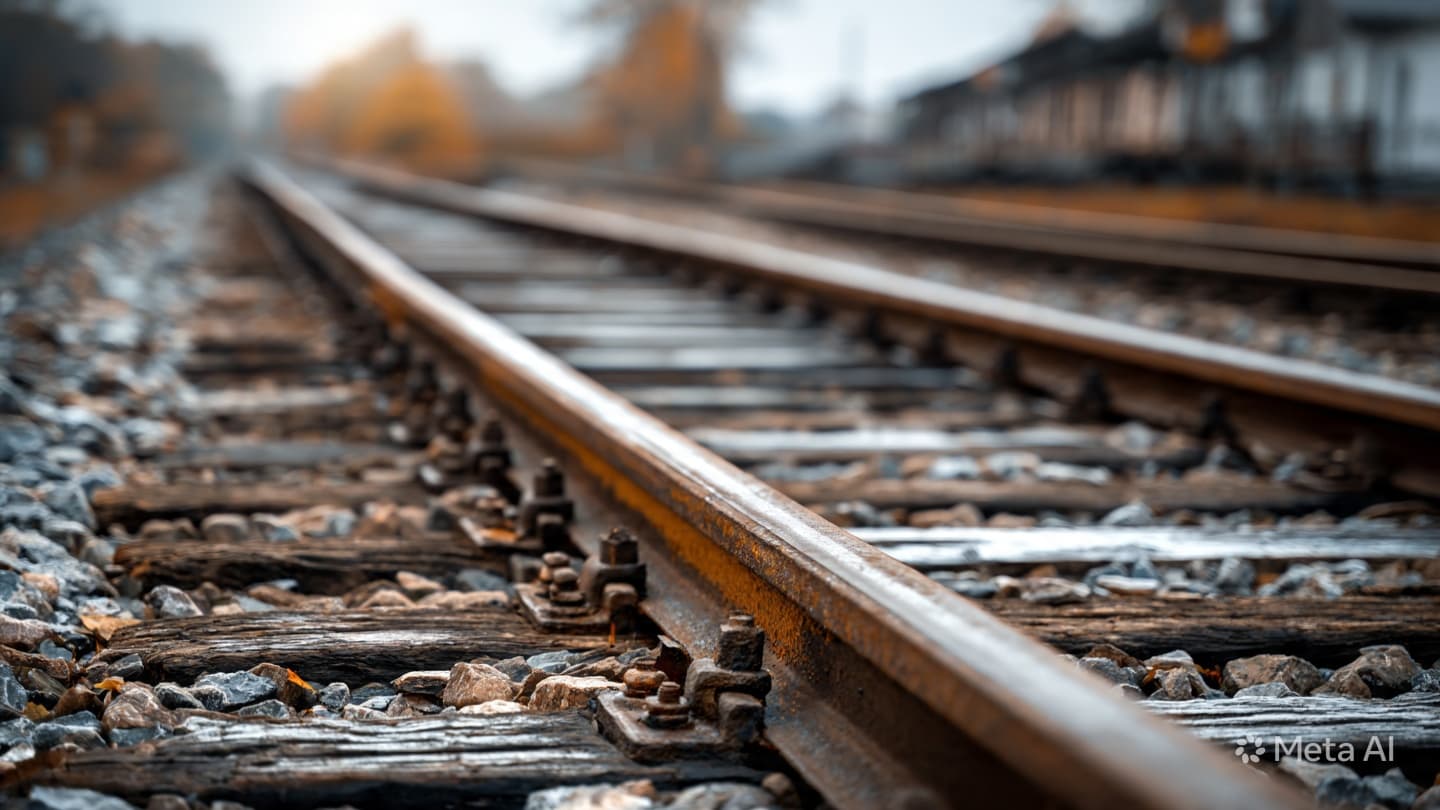
The rhythm of rail travel in Bangkok is a fundamental part of the city’s lifeblood, a daily choreography of movement that bridges the distance between the center and the sprawling periphery. Yet, the recent railway accident—a violent intersection of steel and force that claimed eight lives and left dozens injured—has introduced a discordant, tragic note into this familiar cadence. It is a moment that forces us to pause and contemplate the profound fragility that underlies our reliance on the large-scale infrastructure of urban life.
To witness the aftermath of such a collision is to confront the terrifying power of momentum and the sudden, irreversible nature of mechanical failure. For the victims, the transition from the mundane act of transit to the immediacy of disaster was instantaneous, a shift that defies the orderly expectations of the rail network. The tragedy leaves a mark not just on the tracks, but on the consciousness of the city, acting as a reminder of the quiet trust we place in the systems that carry us to and from the places we call home.
The ongoing investigation into the incident is a necessary, deliberate process, peeling back the layers of causality to understand what occurred in those critical, final moments. It is a task that moves beyond the immediate sorrow, focusing on the mechanics, the protocols, and the human decisions that govern the railway. In this analytical effort, there is a search for truth—a need to bridge the gap between the chaotic reality of the accident and the standard of safety that the system is intended to provide.
For the community, the tragedy is a shared burden. The loss of eight souls, and the injuries sustained by many more, creates a ripple of grief that extends throughout the city. It prompts a re-evaluation of the safety culture that defines our rail systems, an urgent call for transparency and an uncompromising commitment to the maintenance of the infrastructure we rely upon. The incident serves as a catalyst for a broader dialogue about the standards of our urban mobility and the responsibility of the institutions that manage it.
In the quiet of the investigation, there is an invitation to reflect on the meaning of our interconnectedness. We move together, often in the same carriage, bound by the same tracks and the same schedules. The railway is an expression of our community, a space where our daily paths converge. When that system fails, it is not just a breakdown of steel and signaling; it is a fracture in the fabric of our shared existence, a reminder that the systems we build are only as strong as the vigilance with which we maintain them.
As the city continues to navigate this tragedy, the memory of the victims remains central. They were individuals with their own stories, their own destinations, and their own place in the tapestry of Bangkok. Their loss is a tragedy that demands more than just an investigation; it demands a solemn commitment to ensuring that the tracks remain a path of safe passage. It is a reflection that must continue as the city slowly recovers, turning the sorrow of this moment into the strength of future, more secure journeys.
The investigation will eventually conclude, providing the answers that the public seeks. Yet, the tragedy will persist as a part of the city’s story, a silent sentinel that watches over the tracks, reminding us of the fragility of our journey and the imperative to approach the movement of the masses with the utmost care, respect, and enduring vigilance.
Published by Banx Network. This article is part of the Banx decentralized media programme, powered by the BXE token on the XRP Ledger.

.jpg&w=3840&q=75 "Russia Turns Black Sea Into World’s Deadliest Shipping Route as More Than 570 Ships Are Hit")
.jpg&w=3840&q=75 "Intelligence Agencies Suspect Russia Is Developing Anti-Satellite Weapon to Target Starlink")