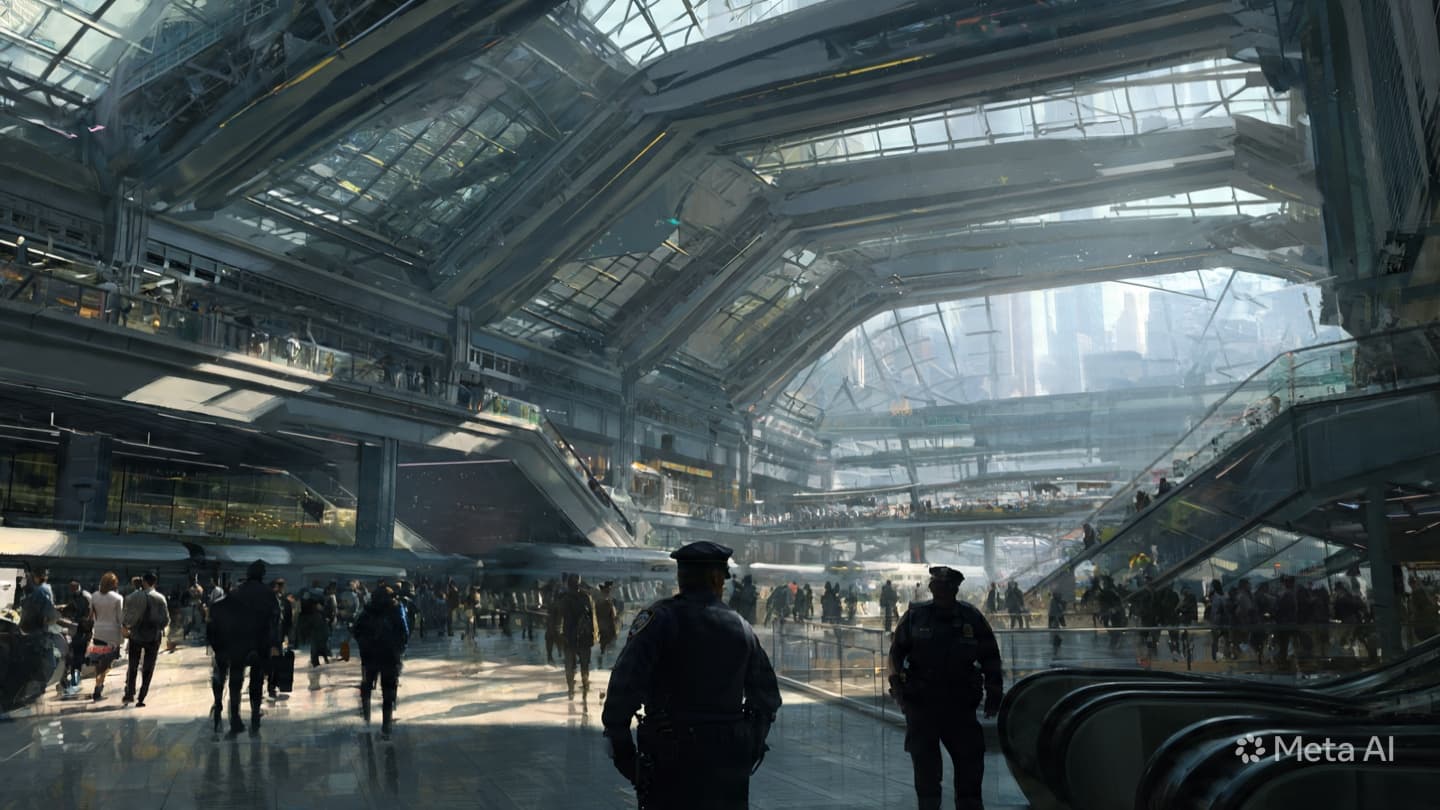
The urban transport hub is the heartbeat of a city, a place where the frenetic energy of thousands of lives converges and diverges in a symphony of motion. It is a space of constant transition, where the boundaries of the city seem to dissolve into the movement of trains, buses, and crowds. Yet, this density also creates a canvas for the complexities of modern life, where the anonymity provided by the masses can occasionally allow for the emergence of illicit activities.
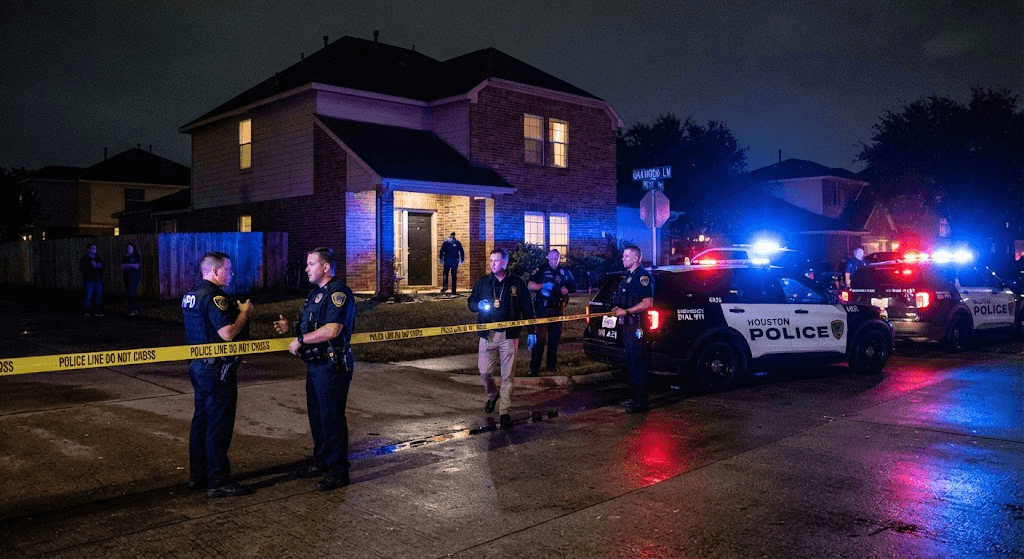
When the equilibrium of these spaces is disturbed by a spike in crime, the atmosphere shifts from one of hurried indifference to a sharper, more focused vigilance. The police presence, once a background element, becomes a defining feature of the environment. It is an editorial reflection on the necessity of order in the modern public square, where the freedom to travel must be balanced against the imperative to ensure the safety of every passenger.
This crackdown is not merely about enforcement; it is a systematic re-establishment of the social contract within the hub. Officers move through the terminals, their presence serving as a visible reminder that these spaces, while public and open, are still governed by a set of shared rules. There is a precise, practiced nature to their patrol, a quiet assertion of authority that seeks to discourage the activities that have begun to fracture the sense of security.
The terminals themselves reflect this change in their own way. The lighting seems brighter, the patrols more coordinated, and the flow of commuters slightly more deliberate. For the individual traveler, this shift can be unsettling, a tangible indicator that the environment they pass through twice a day has been influenced by external pressures. Yet, there is also a comfort in the increased presence, a realization that the system is being actively tuned to serve the needs of the collective.
Reflecting on these hub environments leads to a deeper consideration of the modern city’s social fabric. We live in a world where density is an asset, yet it brings with it the challenge of maintaining safety without sacrificing the openness that makes these hubs so vital. The crackdown is a necessary, if delicate, intervention, a way of pruning the edges of the urban experience to ensure that the core continues to function as a space of connection.
The long-term success of such initiatives lies in their ability to foster a sense of security that is sustainable, rather than reactive. It requires a commitment to both enforcement and the addressing of underlying social issues that contribute to the spike in crime. The terminal, in its ideal form, should be a place where the only thing being navigated is the schedule, and the presence of authorities should feel like a support system rather than a reaction to disorder.
As the crackdown continues, the hope is for a return to the natural, unburdened rhythm of the transport hub. The city continues to pulse, the trains continue to depart, and the people continue to move through the gates. It is a testament to the resilience of urban life that we are able to navigate these moments of transition, emerging on the other side with a clearer understanding of what it takes to maintain our shared, public sanctuaries.
Throughout June 2026, law enforcement agencies in major metropolitan areas, including New York and Chicago, have initiated a coordinated operation to curb criminal activities at high-volume transit hubs. Officers have implemented enhanced patrols, increased surveillance, and focused interventions aimed at reducing incidents of theft, vandalism, and unauthorized conduct that had seen a statistical rise in recent weeks. Transit authorities report that these measures have already resulted in a notable stabilization of incident rates, with ongoing collaborative efforts between police and city services intended to sustain safer environments for daily commuters.
Published by Banx Network. This article is part of the Banx decentralized media programme, powered by the BXE token on the XRP Ledger.