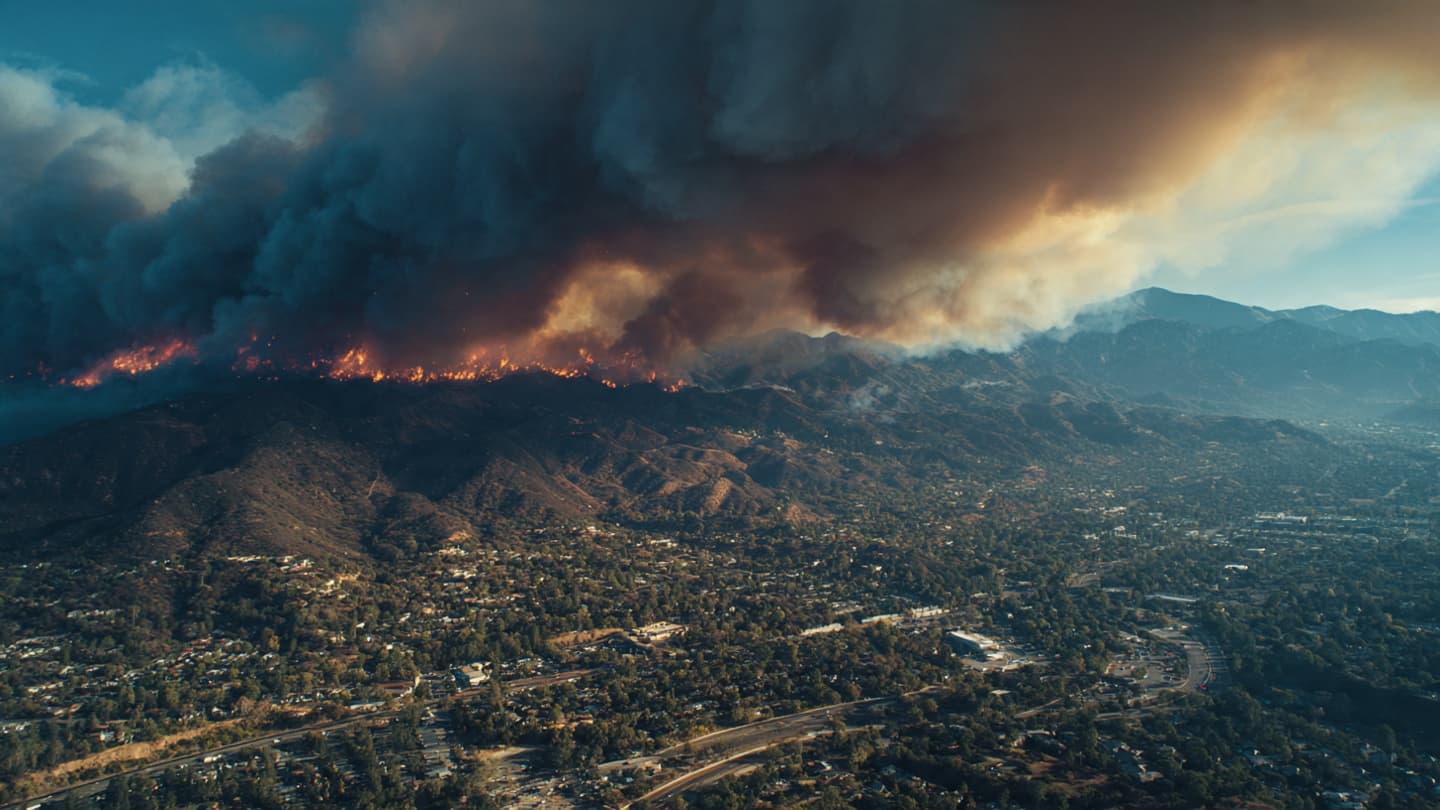
Wildfires have long shaped ecosystems, renewing landscapes and influencing natural cycles. Yet recent years have shown that some fires are growing larger, more destructive, and increasingly difficult to predict. A new international study suggests that these so-called megafires are now affecting developed regions more frequently, reshaping assumptions about wildfire risk.
Researchers found that while the total global area burned each year may have declined, the incidence of extremely large and damaging fires has increased in wealthier regions, including parts of North America, Europe, and Australia.
Countries such as Canada, the United States, and several Mediterranean nations have experienced devastating wildfire seasons in recent years. These events have destroyed homes, disrupted communities, and strained emergency response systems.
Scientists attribute the trend to a combination of factors, including rising temperatures, prolonged drought conditions, changing land-use patterns, and expanding development near forested areas.
Climate change is considered a significant contributor. Warmer temperatures can dry vegetation, extend fire seasons, and create conditions more conducive to rapid fire spread. Researchers caution, however, that wildfire behavior remains influenced by multiple interacting variables.
The social and economic consequences of megafires are substantial. In addition to direct property damage, wildfires can degrade air quality, disrupt transportation networks, and impose long-term recovery costs on affected communities.
Governments have increasingly invested in prevention and preparedness measures, including forest management initiatives, early warning systems, and improved firefighting capabilities.
Experts emphasize that adaptation strategies will likely become increasingly important as climate conditions continue to evolve. Enhancing community resilience and reducing exposure to wildfire risks are among the priorities identified by researchers.
The study underscores a broader reality: wildfire risk is no longer confined to traditionally fire-prone regions. As environmental conditions change, societies across the world may need to reconsider how they prepare for and respond to increasingly severe fire events.
AI Image Disclaimer: Illustrations accompanying this report were created using AI technology to visually represent wildfire-related themes.
Sources Verified: The Guardian, Nature, Reuters, World Resources Institute, AFP
Note: This article was published on BanxChange.com and is powered by the BXE Token on the XRP Ledger. For the latest articles and news, please visit BanxChange.com