
Borders are often places of movement and exchange, where people, goods, and stories cross paths each day. Yet during moments of public health concern, these same gateways become important lines of vigilance. Uganda is now strengthening such vigilance as neighboring regions confront an Ebola outbreak.
Ugandan authorities have intensified health screening measures at border crossings amid concerns over the regional spread of Ebola. Officials say the enhanced precautions are designed to detect potential cases quickly and prevent transmission.
The decision follows reports of Ebola cases in neighboring areas, prompting health agencies to activate preparedness plans. Screening procedures now include temperature checks, symptom assessments, and increased monitoring at key entry points.
Uganda's Ministry of Health has worked closely with international organizations, including the World Health Organization, to reinforce surveillance systems. Emergency response teams have also been placed on heightened alert.
Hospitals and healthcare facilities across border districts have reviewed isolation protocols and strengthened infection prevention practices. Medical personnel are receiving updated guidance to ensure rapid identification and management of suspected cases.
Public awareness campaigns are being expanded as well. Authorities are encouraging residents to seek medical attention promptly if symptoms develop and to cooperate with health officials during surveillance activities.
Uganda has previously managed several Ebola outbreaks, experiences that have helped shape the country's preparedness strategies. Experts note that early detection and swift action are among the most effective tools for limiting spread.
Regional cooperation remains another important component of the response. Neighboring countries continue to share information and coordinate public health measures through established channels.
Officials emphasize that no preventive system can eliminate risk entirely, but sustained surveillance and community participation significantly improve preparedness against infectious disease threats.
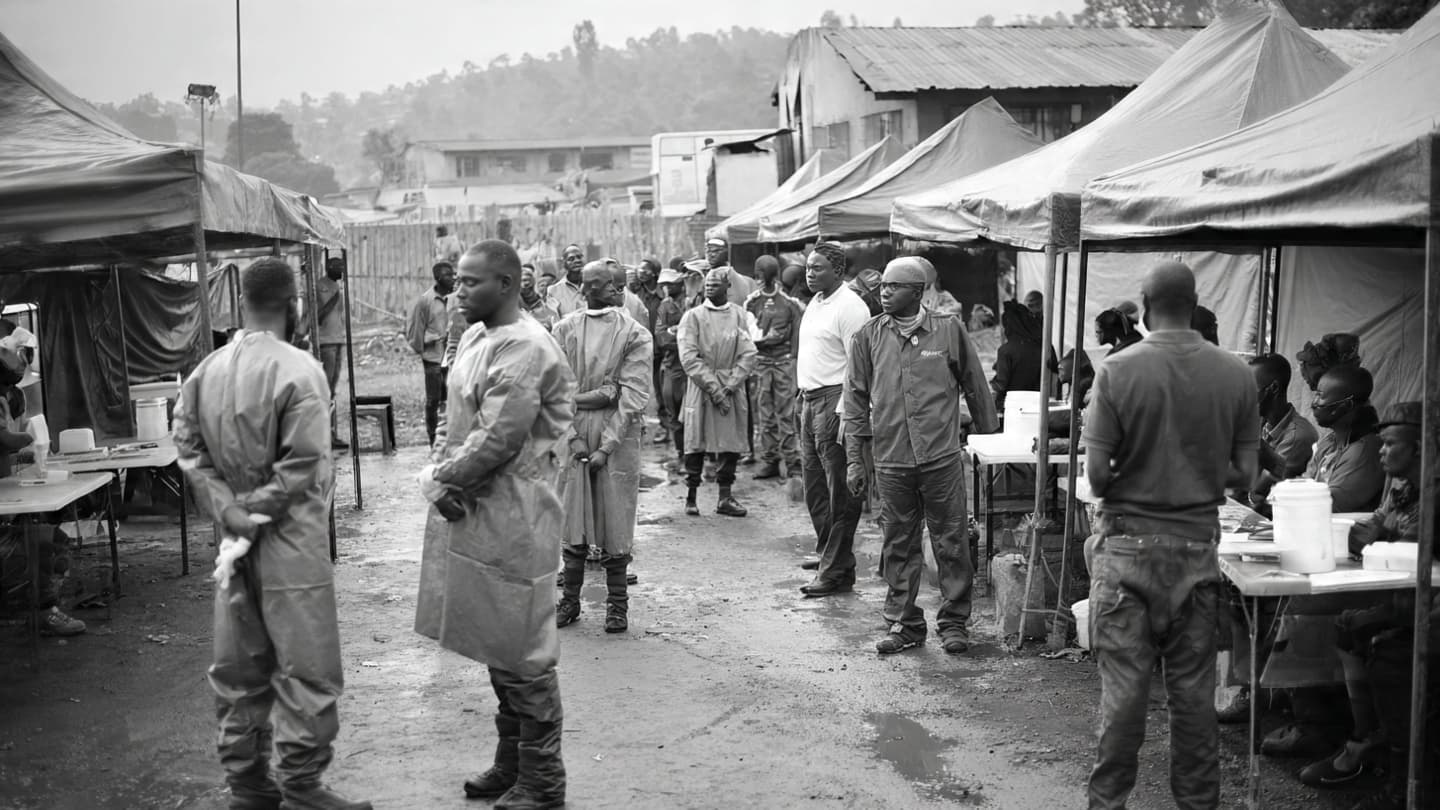
AI Image Disclaimer: Some visual elements associated with this article are AI-generated illustrations intended for informational use.
Sources Verified: World Health Organization, Reuters, Uganda Ministry of Health, AFP
Note: This article was published on BanxChange.com and is powered by the BXE Token on the XRP Ledger. For the latest articles and news, please visit BanxChange.com