In Cartagena, history does not sit still. It moves through narrow streets, past colonial walls, and along plazas shaped by centuries of passage. For generations, horse-drawn carriages have been part of that movement, carrying visitors through the city’s layered past at a deliberate pace. Now, that familiar rhythm is beginning to change.
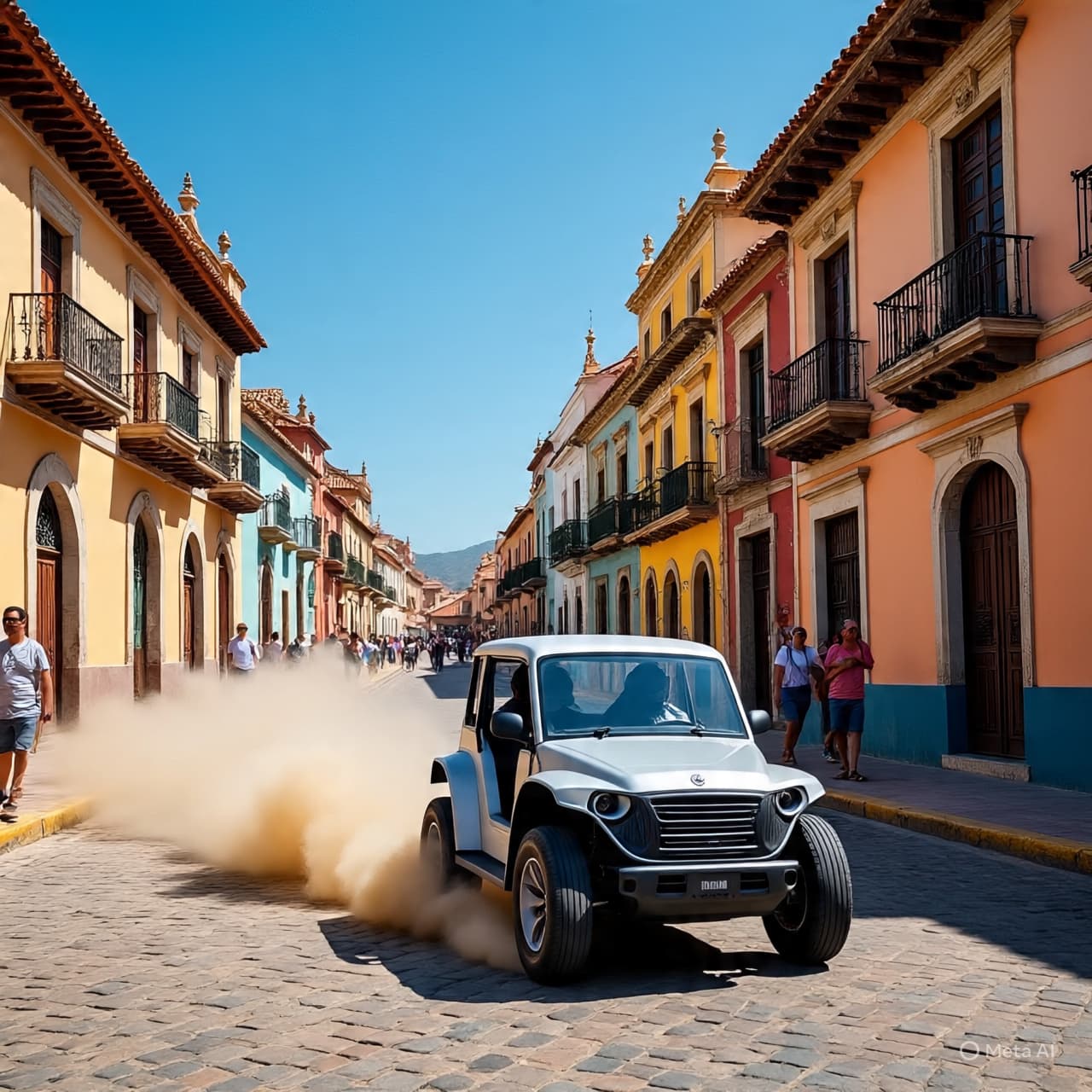
Cartagena has started replacing its iconic horse carriages with electric buggies, marking a shift in how the historic Colombian city presents itself to residents and tourists alike. The move reflects growing concern over animal welfare, urban congestion, and the environmental cost of traditional transport in a city that balances heritage with modern pressure.
City officials said the transition aims to preserve the experience of guided carriage tours while reducing strain on horses exposed to heat, traffic, and long working hours. Electric buggies, designed to resemble the size and function of the traditional carriages, are being introduced as a quieter and more sustainable alternative.
For carriage operators, the change represents both adaptation and uncertainty. Many families have depended on the trade for decades, passing down licenses and routes across generations. Authorities have emphasized retraining and compensation, seeking to ensure that livelihoods are not lost as technology replaces tradition.
Animal rights groups have welcomed the decision, arguing that Cartagena’s climate and traffic conditions have long made horse-drawn transport problematic. They view the shift as overdue recognition that tourism models must evolve alongside ethical standards. Supporters also point to reduced emissions and improved traffic flow as secondary benefits.
Others express a more reflective hesitation. The horse carriages have been more than transportation; they have been part of the city’s visual language, embedded in postcards and memory. For some residents and visitors, their absence alters the emotional texture of the old city.
Officials insist the transition will be gradual, allowing time for adjustment and public feedback. The goal, they say, is not to erase history, but to reinterpret it in a way that aligns with contemporary values and urban realities.
As electric buggies begin to roll where hooves once echoed, Cartagena enters a new chapter of presentation rather than abandonment. The streets remain the same, the stories endure, and the city continues its careful negotiation between preservation and change.
Published by Banx Network. This article is part of the Banx decentralized media programme, powered by the BXE token on the XRP Ledger.