There are institutions that move loudly through history, and others that move almost invisibly. Some announce themselves in headlines and crowds; others exist in quieter forms, shaped by ritual, tradition, and private order. Freemasonry has long belonged to the latter—a presence more often associated with symbolism than spectacle, with closed doors rather than public halls.
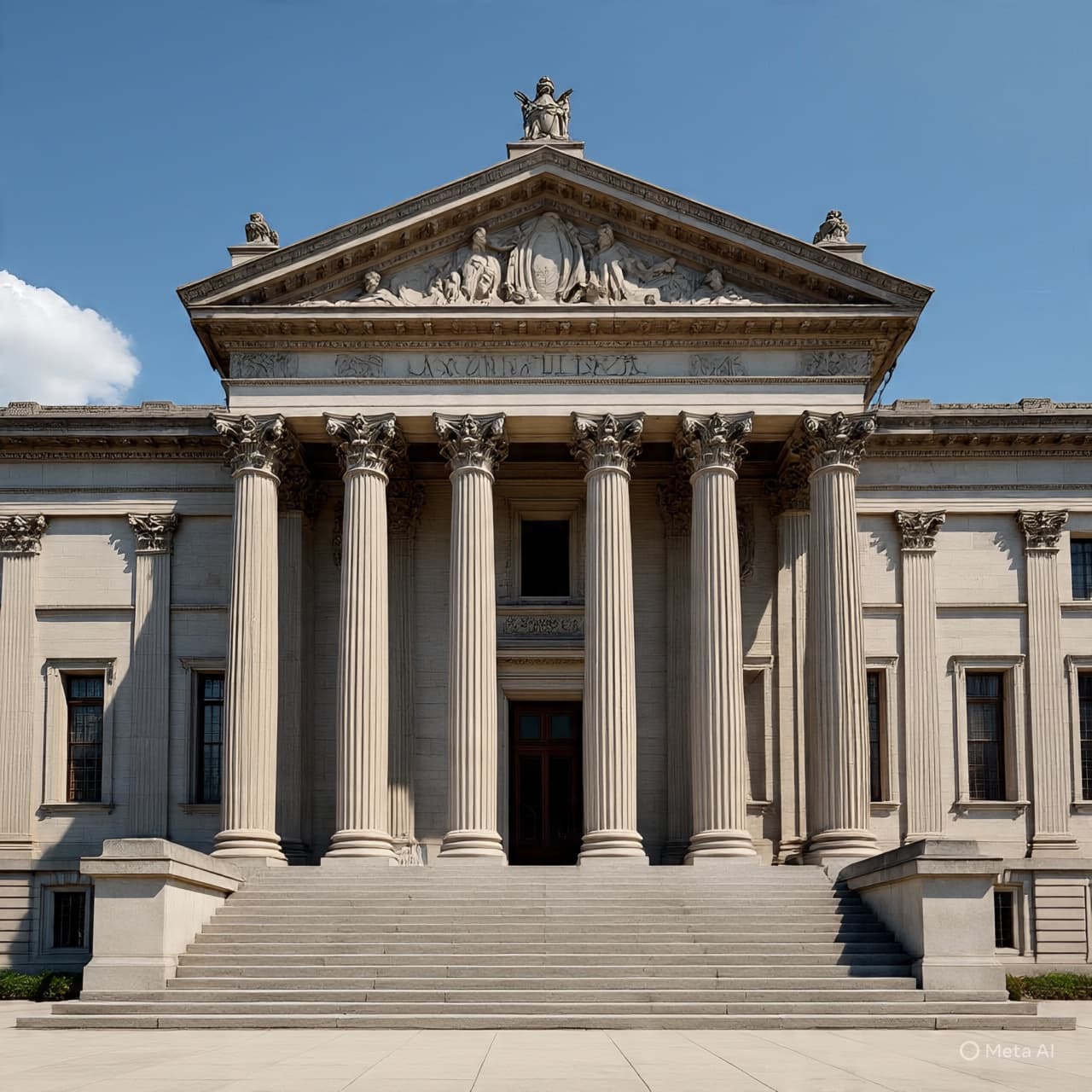
Yet even the quietest traditions eventually find themselves in open spaces. Courtrooms do not recognize secrecy as shelter. Their light is even, their language plain, their rhythm procedural. In this space, symbols fade and process takes over.
The legal challenge brought by Freemasons against the Metropolitan Police unfolded not as drama, but as procedure—documents filed, arguments weighed, boundaries defined. At its heart was a dispute over scrutiny and transparency, over the relationship between a historic private organization and a modern public institution charged with accountability.
The challenge sought to contest the Metropolitan Police’s approach to monitoring and recording officers’ associations with Freemasonry, arguing that such measures crossed lines of privacy and fairness. For those bringing the case, it was framed as a defense of personal affiliation and freedom of association, a line drawn between public duty and private identity.
But the court did not move in metaphor. It moved in statute and precedent. The legal argument, stripped of symbolism, met the framework of public accountability and institutional oversight. In that framework, the challenge did not hold.
The ruling quietly closed the door on the case. The court found no legal basis to block the Metropolitan Police’s practices, allowing the force to continue its approach to transparency and disclosure. The attempt to restrain the policy did not succeed.
There was no crowd, no spectacle, no visible rupture—only a decision, recorded in legal language, moving the matter from contest to conclusion. The silence that followed was not dramatic; it was procedural. The kind that settles after papers are filed and rulings are issued.
In the broader landscape, the case reflected a familiar tension in modern governance: the balance between private affiliations and public trust, between individual associations and institutional accountability. It was not about symbols or secrecy alone, but about where personal identity meets public responsibility.
Some traditions endure through continuity and silence. Others encounter the slow, neutral machinery of law. When they do, the outcome is rarely theatrical. It is measured, contained, and final.
The Freemasons’ legal challenge against the Metropolitan Police has failed, with the court ruling in favor of the Met and allowing its policies on disclosure and monitoring to remain in place.
AI Image Disclaimer
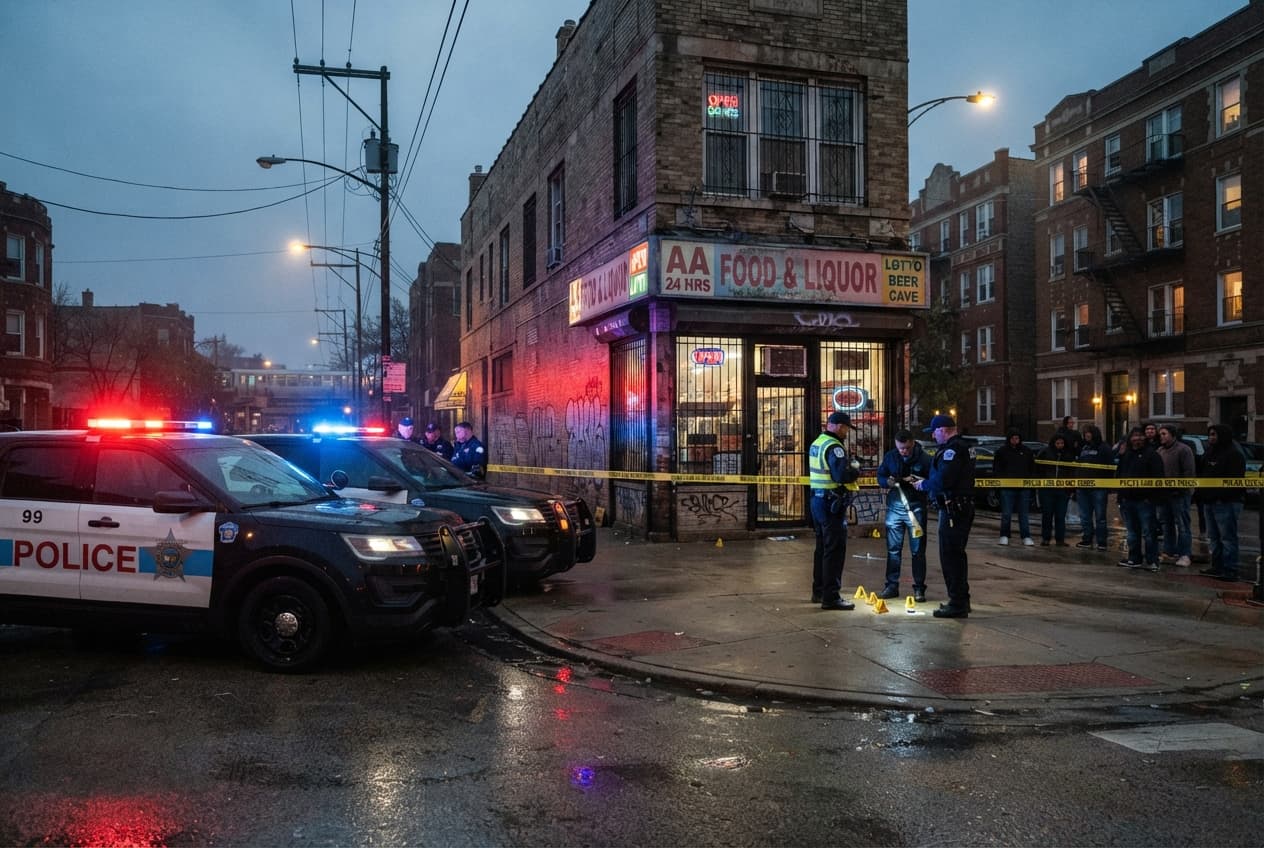
Visuals are AI-generated and serve as conceptual representations.
Sources (Media Names Only)
BBC News The Guardian Reuters The Independent Sky News
Published by Banx Network. This article is part of the Banx decentralized media programme, powered by the BXE token on the XRP Ledger.