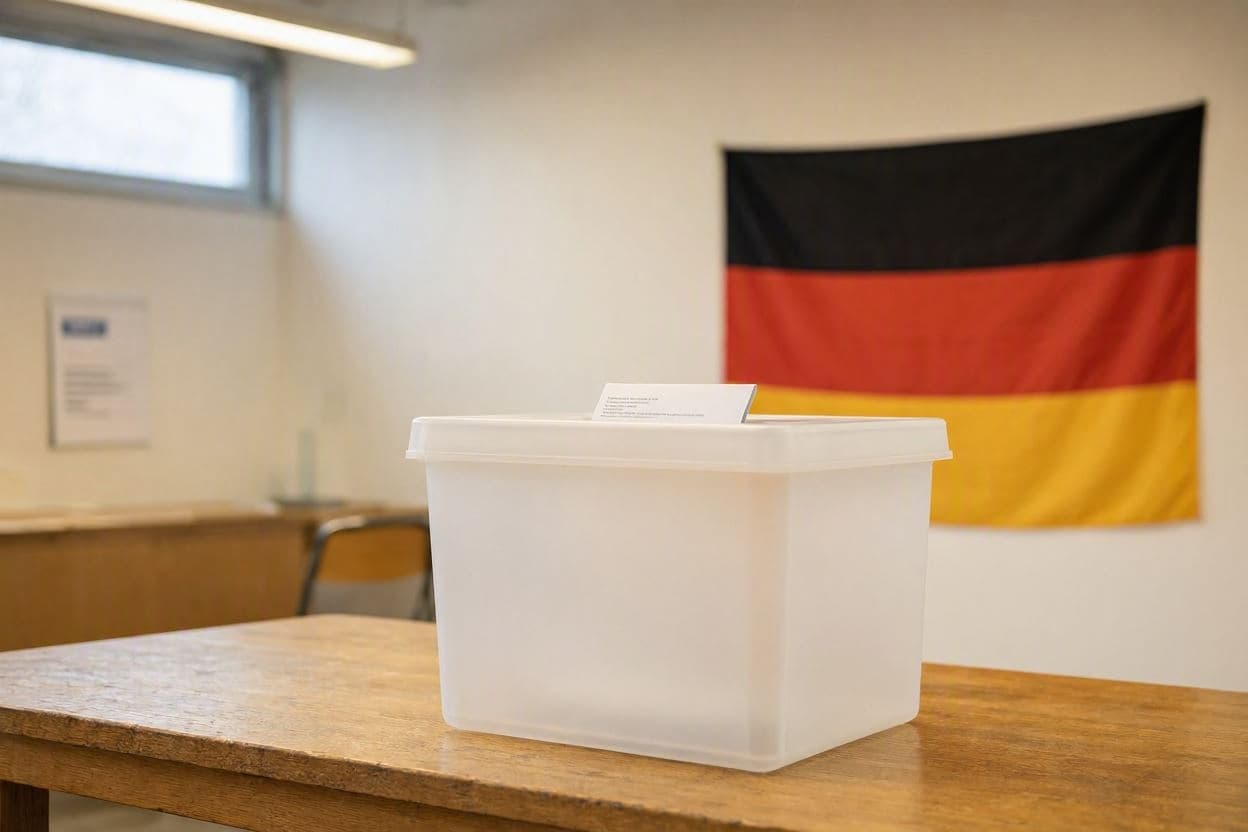
Political landscapes are rarely static; they shift like sand dunes in the wind, reshaped by the currents of public sentiment. In a recent state election in Germany, the Alternative for Germany (AfD) party has achieved a historic victory, marking a significant turning point in the nation’s political discourse. This result reflects deep-seated anxieties and changing priorities among voters, challenging the established order and prompting a period of intense reflection.
The AfD’s success in this eastern German state is attributed to a combination of economic concerns, immigration debates, and dissatisfaction with mainstream parties. Voters expressed frustration over rising energy costs and perceived neglect by the federal government. The AfD’s campaign focused on these issues, offering simple solutions to complex problems and resonating with those who feel left behind by rapid social changes. It was a victory built on discontent and a desire for change.
Mainstream parties, including the CDU and SPD, have struggled to connect with this segment of the electorate. Their traditional messages of stability and European integration failed to address the immediate worries of many citizens. The AfD’s rise signals a fragmentation of the political center, forcing other parties to reconsider their strategies and messaging. It is a wake-up call for the political establishment to listen more closely to the voices on the margins.
The international community watches this development with concern, given the AfD’s controversial stance on various issues. European partners worry about the potential impact on unity and cooperation within the EU. However, it is important to recognize that this vote is a democratic expression of local concerns. Understanding the root causes of this support is crucial for addressing the underlying issues rather than simply condemning the outcome.
Within Germany, the result has sparked debates about coalition building and governance. Other parties have ruled out forming a government with the AfD, citing ideological differences. This cordon sanitaire leaves the political landscape fragmented, potentially leading to instability or minority governments. The challenge now is to find ways to govern effectively while respecting the will of the voters who supported the AfD.
Social cohesion is also at stake. The victory has intensified polarization, with protests and counter-protests emerging in major cities. Dialogue between different societal groups has become more difficult, as trust erodes. Civil society organizations are working to bridge these divides, promoting understanding and tolerance. It is a test of Germany’s democratic resilience and its ability to handle dissent constructively.
For the AfD, this victory is both a triumph and a responsibility. They must now translate campaign promises into practical policy, facing the scrutiny of governance. The transition from opposition to power is never easy, especially for a party with limited administrative experience. How they manage this transition will determine their long-term viability and impact on German politics.
As the new legislature convenes, attention turns to the formation of the state government. Political analysts predict a period of uncertainty, but also an opportunity for renewed dialogue. The voice of the voters has been heard, and now the task of leadership begins.
AI Image Disclaimer: The visual content associated with this report is generated by artificial intelligence and does not depict real individuals or specific events.
Sources: Deutsche Welle (DW) Politico Europe The Local Germany Frankfurter Allgemeine Zeitung
Published by Banx Network. This article is part of the Banx decentralized media programme, powered by the BXE token on the XRP Ledger.