Within many religious communities, traditions often resemble old pathways that have been walked for generations. Yet as societies change and new questions emerge, those pathways can become places of deep reflection and debate. In Australia, a recent decision by the Presbyterian Church in New South Wales and the Australian Capital Territory has reopened a long-running discussion about faith, leadership, and the role of women within religious institutions.
The Presbyterian Church in NSW and the ACT voted in favor of a motion that would prevent women from holding the position of elder, a senior leadership role within the church. The decision was passed at the church’s general assembly with a vote of 136 in favor and 61 against, marking a significant change from previous arrangements that had allowed women elders in the region.
The debate has its roots in differing interpretations of religious teaching and the responsibilities associated with church leadership. Supporters of the change said the decision reflected their understanding of biblical principles and the structure of pastoral authority within the Presbyterian tradition.
Opponents of the decision expressed disappointment, arguing that removing women from elder roles could limit opportunities for participation and representation within the church. Some members said the decision created concerns about whether women would continue to feel fully included in the future direction of their religious community.
Church representatives have emphasized that the decision does not remove women from all forms of leadership or service. Women will continue to participate in various ministries, community roles, and other areas of church activity, while the elder position will be reserved for men under the new policy.
The discussion also reflects a broader conversation occurring across religious communities around the world. Many faith organizations continue to balance historical traditions with changing expectations about equality, participation, and leadership, creating moments where communities must carefully consider their values and identity.
For some members, the vote represents a return to a traditional understanding of church structure. For others, it represents a step backward from decades of progress toward greater inclusion. The differing responses show how deeply questions of leadership can connect with personal faith, community belonging, and generational perspectives.
The matter is expected to continue through further church processes, with final ratification to follow. As the Presbyterian community moves forward, the discussion will likely remain an important reflection point about how religious institutions preserve their beliefs while responding to the experiences and concerns of their members.
The decision in NSW and the ACT is more than a vote about one leadership position. It is part of a wider conversation about how communities navigate change, tradition, and the evolving understanding of service within places of faith.
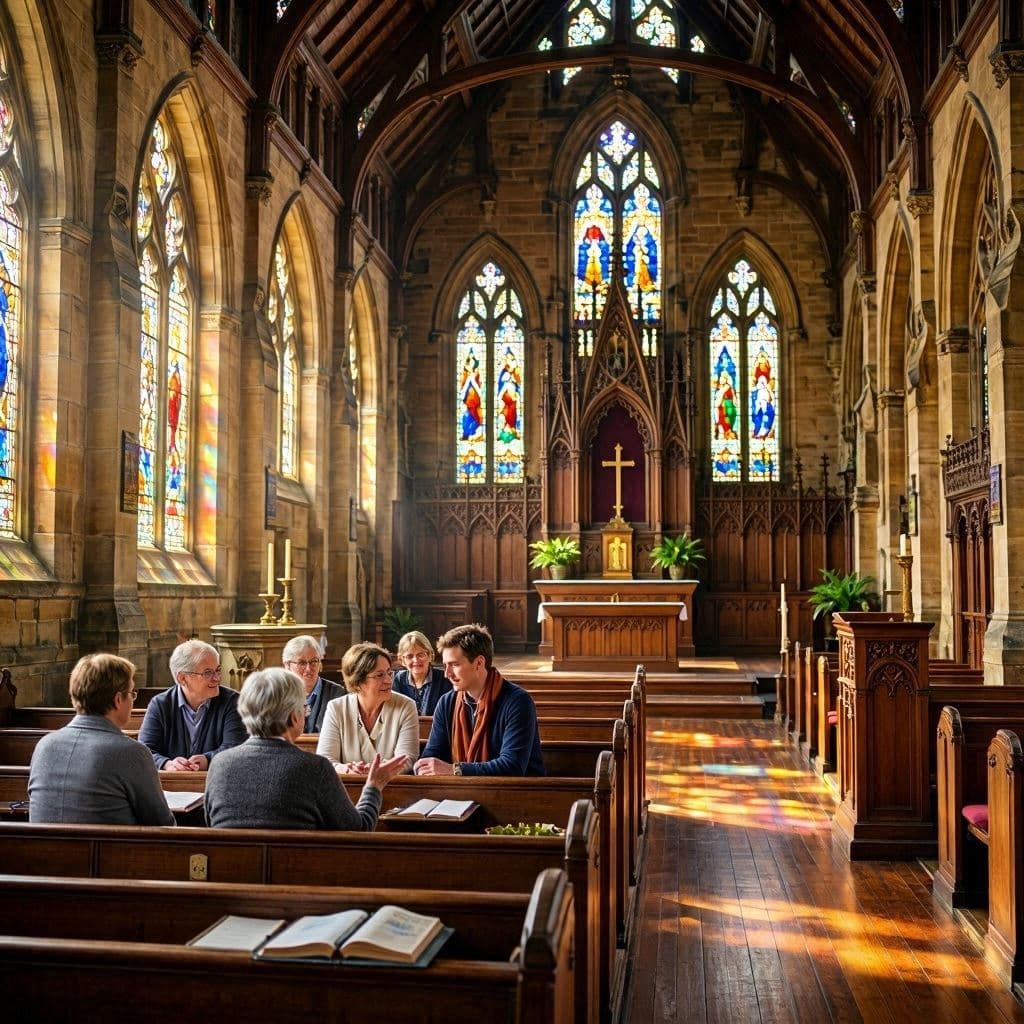
AI Image Disclaimer: The images accompanying this article are AI-generated illustrations created to represent the general themes and atmosphere of the story. They do not show actual individuals, events, or locations.
Sources:
ABC News Australia The Daily Telegraph Australia Presbyterian Church of Australia
Published by Banx Network. This article is part of the Banx decentralized media programme, powered by the BXE token on the XRP Ledger.