
Key Highlights
- U.S. Tariff Proposal: New tariffs targeting imports from 60 economies.
- Ethical Compliance:Aimed at addressing forced labor in global supply chains.
- Mixed Reactions:Industry responses vary, with concerns over cost implications.
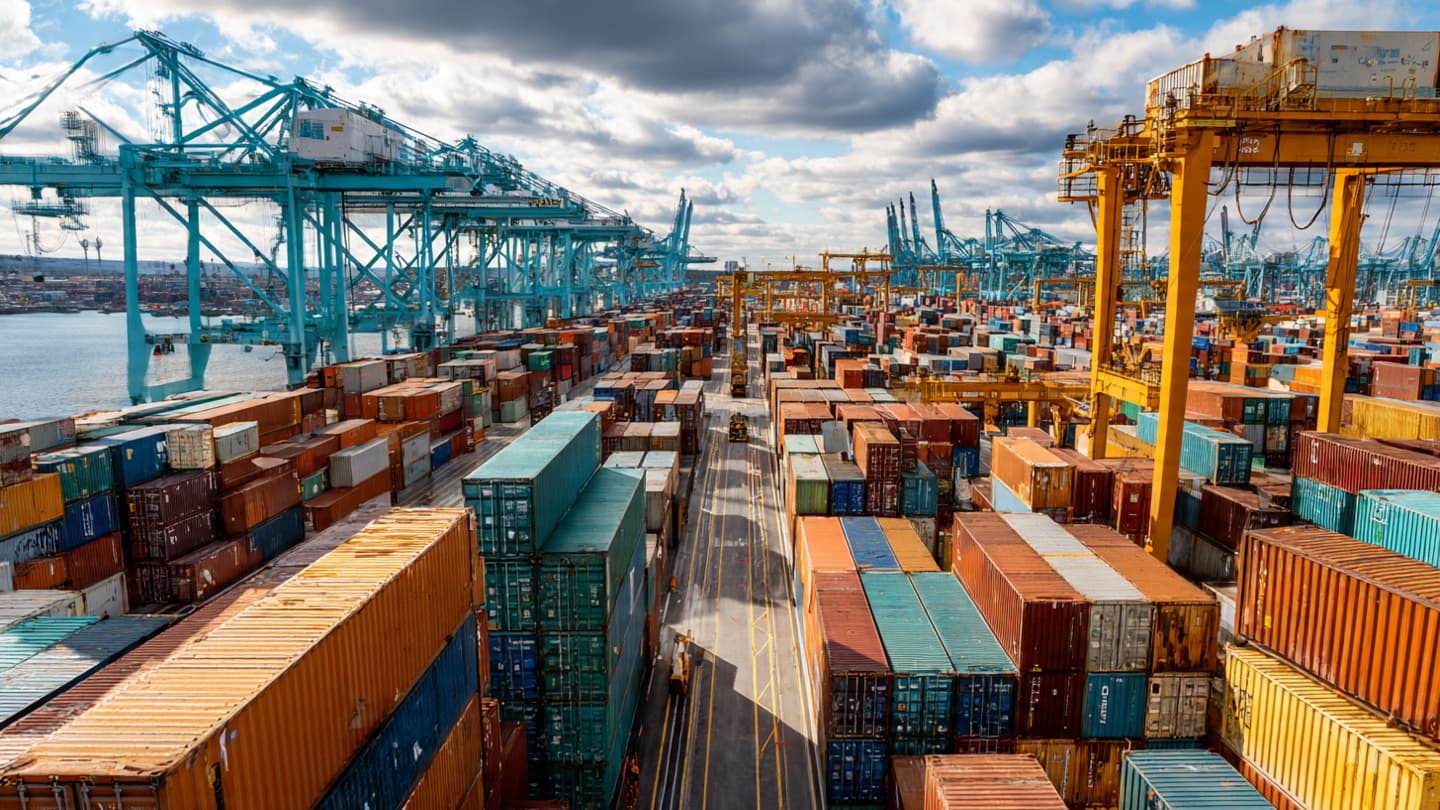
The winds of trade are shifting once again, as a newly proposed tariff initiative from the United States government has captured the attention of global markets. This initiative, which targets imports from approximately 60 economies, is designed to address pressing concerns regarding forced labor practices within international supply chains. U.S. officials assert that the measure will encourage compliance with ethical labor standards, reflecting a growing trend towards responsible sourcing in global commerce.
Under the proposed framework, certain imported products could face additional duties of up to 12.5 percent. Policymakers in Washington argue that these stronger trade tools are necessary to ensure that goods entering the U.S. market adhere to both ethical and legal requirements. This move comes at a time when global supply chains are already undergoing significant transformations, as businesses adapt to geopolitical tensions and seek to diversify their production networks in response to recent disruptions.
Industry reactions to the proposed tariffs have been mixed. Some domestic manufacturers have welcomed the initiative, viewing it as a potential means to create a more equitable competitive landscape for American industries. Conversely, others have raised concerns that the imposition of higher tariffs could lead to increased costs for both companies and consumers, potentially stifling economic growth.
Trade analysts emphasize that tariff policies often extend beyond their immediate economic objectives. Such measures can influence investment decisions, prompting companies to seek alternative suppliers and reshaping long-standing trading relationships. The broader implications of these tariffs could reverberate throughout the global economy, affecting not only U.S. markets but also those of the countries involved.
Countries expected to be impacted by the tariff proposal are closely monitoring the situation. Some governments may initiate consultations with U.S. officials or consider responses through international trade institutions. The potential for diplomatic negotiations adds another layer of complexity to the unfolding scenario, as nations navigate their own economic interests while responding to U.S. policy changes.
Economists caution that the overall impact of the proposed tariffs will depend on various factors, including implementation details, potential exemptions, and the duration of the measures. As markets brace for upcoming policy announcements, stakeholders across the globe are poised to react to the evolving landscape of international trade.
For now, the proposal remains under review, and discussions continue among policymakers, businesses, and consumers. The outcome of this initiative could mark a significant chapter in the ongoing narrative of global trade, with far-reaching consequences for economies worldwide.
Published by Banx Network. This article is part of the Banx decentralized media programme, powered by the BXE token on the XRP Ledger.



