
Key Highlights
- Trade routes are crucial for economic connectivity and growth.
- The reopening of routes in Iran is expected to boost various sectors.
- Improved logistics can enhance investment and commercial strategies.
The historical significance of trade routes cannot be overstated; they have long served as vital arteries connecting markets, communities, and industries. In recent times, the reopening of regional trade routes has sparked renewed optimism regarding Iran's economic prospects. As transportation networks become more efficient, the movement of goods is expected to gain momentum, benefiting various sectors including energy, agriculture, and consumer goods.
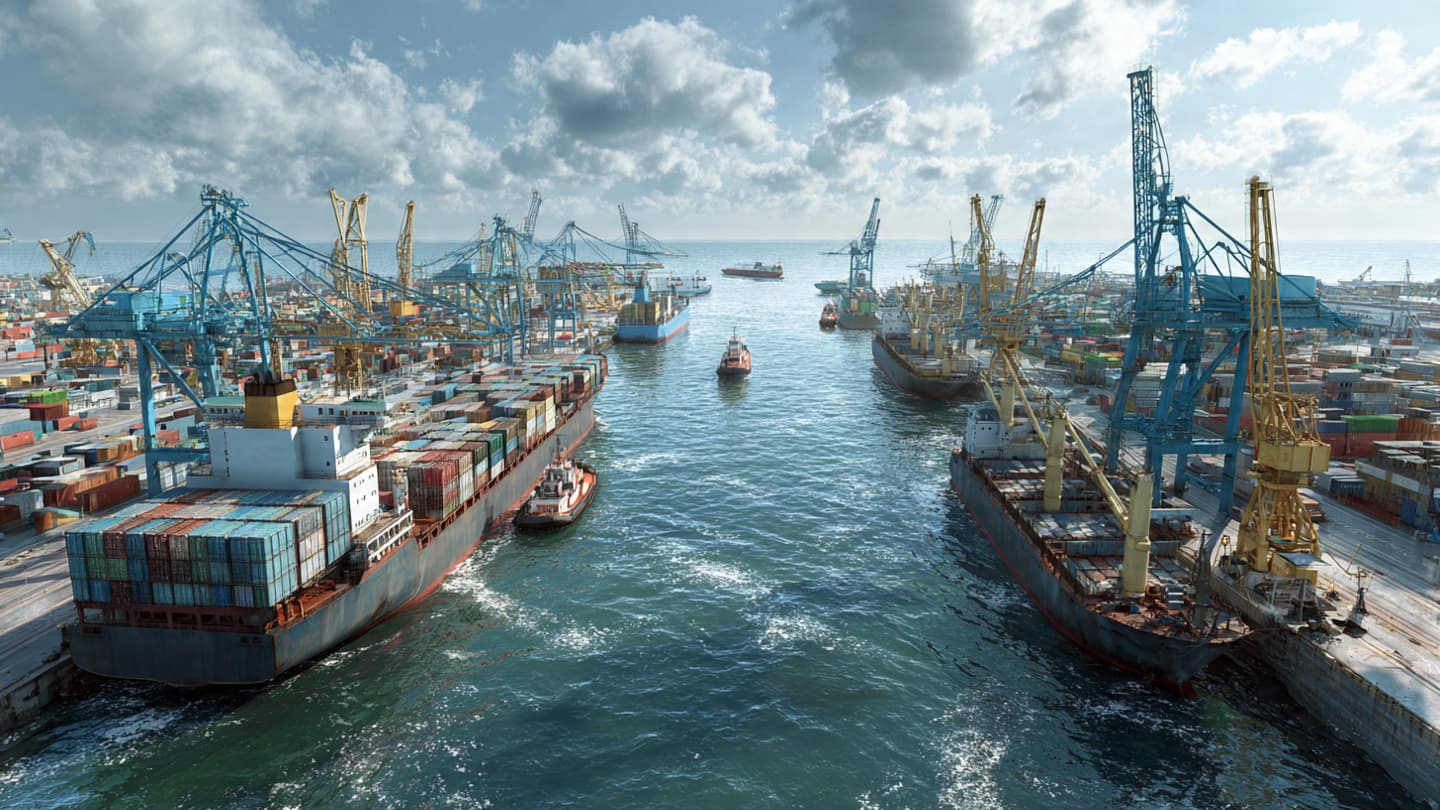
Economic analysts emphasize that transportation connectivity is a cornerstone of commercial performance. Ports, shipping lanes, logistics hubs, and border crossings collectively form the infrastructure that supports modern trade. The reopening of key routes is anticipated to enhance the flow of goods, thereby fostering economic activity. This is particularly important for Iran, where the economy has faced challenges in recent years due to sanctions and logistical disruptions.
Businesses stand to gain significantly when logistical uncertainties diminish. Predictable shipping schedules and improved access to markets can bolster investment decisions, streamline production planning, and facilitate long-term commercial strategies. The positive impact of reliable transportation networks extends beyond individual businesses; it can stimulate entire sectors, creating a ripple effect throughout the economy.
Regional trade is especially crucial for economic growth, as neighboring countries often share transportation corridors and supply chains. These interconnected networks contribute to mutual prosperity, allowing for the efficient exchange of goods and services. Financial analysts have noted that signs of improved connectivity in Iran are encouraging, as stable trade conditions typically lead to increased economic activity by reducing operational risks and expanding opportunities for cross-border commerce.
Infrastructure development remains a key factor in achieving these objectives. Investments in ports, roads, rail systems, and logistics facilities are essential for enhancing efficiency and strengthening regional integration. Economists argue that the recovery of trade often yields benefits that extend beyond exporters, positively impacting service providers, manufacturers, transportation companies, and local communities as commercial activity expands.
Despite the optimism surrounding the reopening of trade routes, challenges persist. Global market conditions and the need for ongoing investment in infrastructure are critical factors that will influence the sustainability of this recovery. Nevertheless, improved transportation access represents a significant step toward stronger economic performance in Iran.
As the reopening of regional trade routes continues to unfold, businesses and policymakers are closely monitoring these developments. The potential for increased economic growth is palpable, and as goods begin to move more freely, the impact on Iran's economy could be profound. The coming months will be crucial in determining how these changes will shape the future of trade and commerce in the region.
Published by Banx Network. This article is part of the Banx decentralized media programme, powered by the BXE token on the XRP Ledger.



