
Key Highlights
- Global Trade Impact:Recent conflicts in the Middle East are disrupting shipping routes.
- Port Operations:Increased security and rerouted vessels are affecting dockworkers worldwide.
- Economic Consequences:Higher insurance and fuel costs are reshaping supply chains.
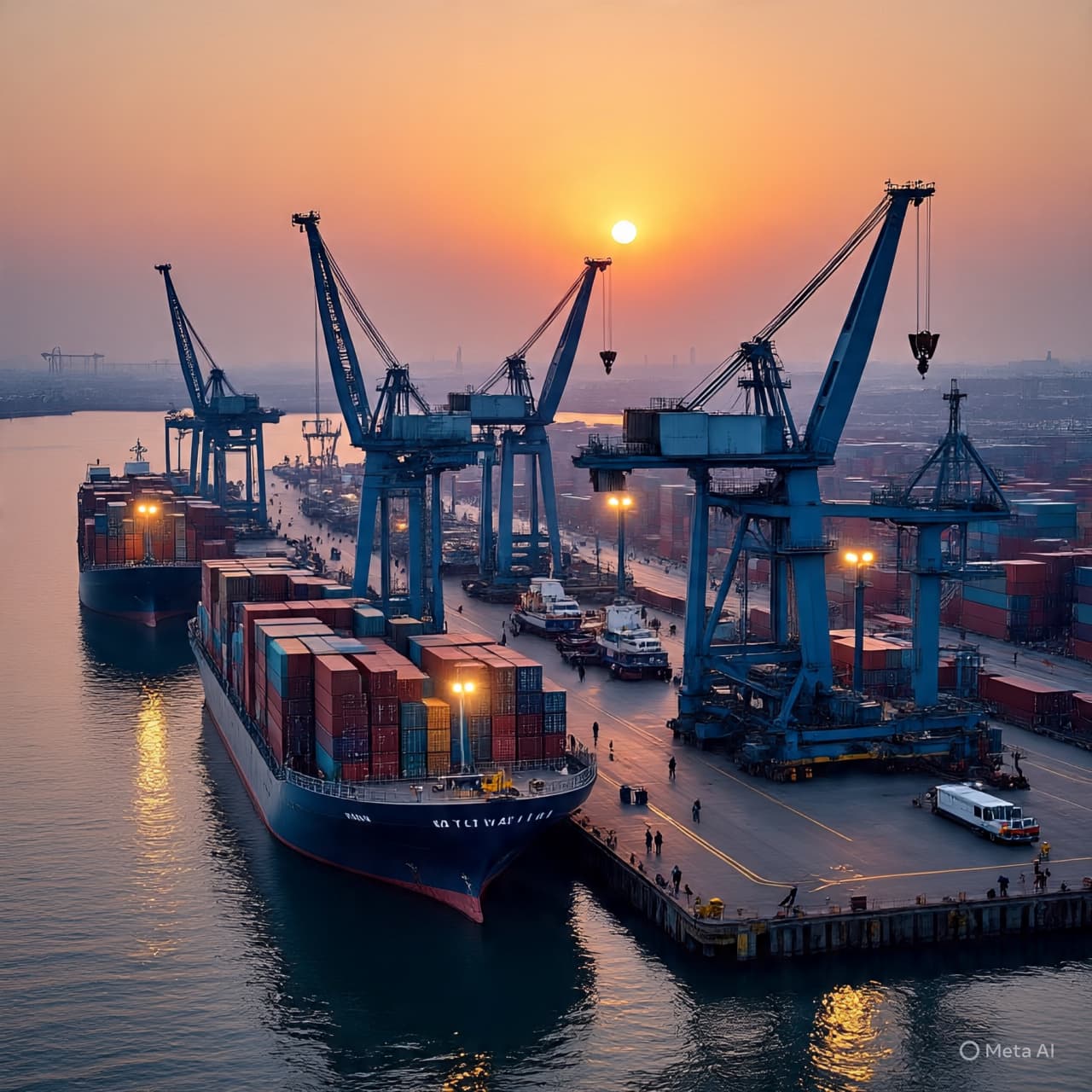
The early morning light casts a glow over bustling ports, where the rhythm of global trade is dictated by the movements of cranes and the arrival of ships. As the world awakens, maritime workers are already on the job, navigating the complexities of shipping logistics that have been increasingly influenced by geopolitical tensions. In recent weeks, the ongoing conflict in the Middle East has begun to ripple through ports far removed from the region, altering the landscape of international shipping.
Shipping companies have been forced to adapt to the changing situation, with many rerouting vessels through safer corridors or increasing security measures in response to missile and drone attacks on commercial ships in the Red Sea. This shift has led to a significant rise in insurance premiums for vessels navigating these high-risk waters. Some shipping lines have opted to divert their cargo around the Cape of Good Hope, resulting in extended travel times that can add days or even weeks to delivery schedules.
For dockworkers, tug operators, and logistics coordinators, these changes translate into immediate and practical consequences. The compression of arrival schedules means that multiple ships may dock within narrow timeframes, leading to sudden surges in activity at ports. Overtime hours are becoming more common, and safety briefings are being ramped up to accommodate the increased workload. Union representatives from major ports, including Rotterdam, Singapore, and Los Angeles, have reported the strain of these irregular flows, where quiet days are often followed by intense bursts of activity.
The maritime labor force, often unseen, plays a crucial role in the global supply chain, facilitating the movement of essential goods such as fuel, grain, electronics, and medical supplies. When shipping routes are altered, the implications extend beyond just delays; they affect fuel consumption, freight rates, and cargo allocations among various ports. Terminal managers are tasked with reassigning cranes and crews, while warehouse operators must recalibrate their storage capacities to adapt to the changing flow of goods.
In addition to the logistical challenges, there are subtler effects on the lives of seafarers and port workers. Heightened security drills and revised transit guidelines have become the norm, with some crews facing extended contracts due to delays, prolonging their time away from home. Port authorities are increasing surveillance and coordination with coast guards, acutely aware that geopolitical tensions can elevate risks even in distant harbors.
The economic repercussions of these changes are gradual yet significant. The rise in insurance and fuel costs filters through the supply chain, impacting both importers and exporters. In ports that heavily rely on traffic through Middle Eastern corridors, fluctuations in throughput volumes can influence local employment hours and contract stability. Conversely, some ports may experience a temporary boost in activity due to diverted routes, creating both opportunities and logistical pressures.
Industry bodies are advocating for diplomatic efforts to ensure the safety of maritime navigation, emphasizing that these shipping corridors are vital arteries of the global economy. Governments are discussing potential naval escorts and international patrols to protect commercial vessels, while shipping firms continuously assess risks in real time. For workers on the ground, these discussions often feel distant; they are more concerned with updated arrival boards and revised shift schedules.
As the sun sets over the harbor, the cranes begin to slow, and the last container is placed down with a soft thud. The sea beyond the breakwater remains unchanged, its surface reflecting the city lights in shimmering patterns. Yet, those who work along the docks understand that beneath the calm waters lie complex currents shaped by global events. The conflict in the Middle East may seem geographically distant to many port communities, but its effects are felt along trade lanes with quiet persistence. In the steady hands that guide mooring lines and operate gantries, resilience remains a constant. Ships will continue to arrive, albeit by longer routes, and each dawn will see maritime workers returning to their posts, navigating a world where global events shape even the most routine operations.
Published by Banx Network. This article is part of the Banx decentralized media programme, powered by the BXE token on the XRP Ledger.



