There are moments in the life of knowledge when the tools we use begin to reshape the questions we ask. Not abruptly, but gradually—like a current shifting beneath the surface—methods evolve, and with them, the rhythm of discovery itself. In recent years, artificial intelligence has entered this quiet space, not as a replacement for human thought, but as a companion that alters how research unfolds.
What is emerging is not simply a new technology, but a different pace and pattern of inquiry. AI systems are now capable of analyzing vast datasets, identifying patterns that might otherwise remain unnoticed, and even generating hypotheses that guide further investigation. In fields ranging from biology to physics, these systems assist researchers in navigating complexity with a level of speed and scale that was previously difficult to achieve.
Yet, as this transformation takes shape, it raises a broader question—one that extends beyond laboratories and into the structures that support science. Institutions, funding bodies, and academic publishers are beginning to consider how their roles must adapt to a landscape where AI is increasingly embedded in the research process. Discussions reflected in publications such as Nature and MIT Technology Review suggest that the shift is not only technical, but institutional.
For universities and research organizations, the integration of AI invites a reconsideration of training and expertise. Scientists are no longer working solely within traditional disciplinary boundaries; they are also engaging with computational systems that require new forms of literacy. This does not diminish the role of human insight, but rather reframes it—placing emphasis on interpretation, critical thinking, and the ability to guide automated processes.
Funding agencies, too, find themselves navigating new terrain. The speed at which AI-driven research can progress may challenge existing models of grant allocation and evaluation. Projects that once unfolded over extended periods may now produce results more quickly, while also raising questions about reproducibility, transparency, and oversight.
Publishers, meanwhile, are considering how to assess and present research that incorporates AI-generated components. Questions of authorship, accountability, and methodological clarity come into focus. When an algorithm contributes to a discovery, how should that contribution be acknowledged? How can readers be assured of the reliability of results produced with the assistance of complex systems?
There is a quiet tension within these developments—not one of conflict, but of adjustment. The structures that have long supported scientific work are being asked to evolve alongside the tools that researchers use. This process is gradual, shaped by dialogue, experimentation, and the careful balancing of innovation with responsibility.
At its core, the presence of AI in science does not alter the fundamental aim of research: to understand, to explain, and to explore. What it changes is the pathway—introducing new methods that expand possibility while also inviting reflection on how knowledge is created and shared.
As conversations continue across institutions, funding bodies, and publishing platforms, responses are expected to take form through updated policies, guidelines, and collaborative frameworks. The transition is ongoing, and its outcomes will likely reflect both the opportunities and the considerations that accompany this evolving relationship between human inquiry and machine assistance.
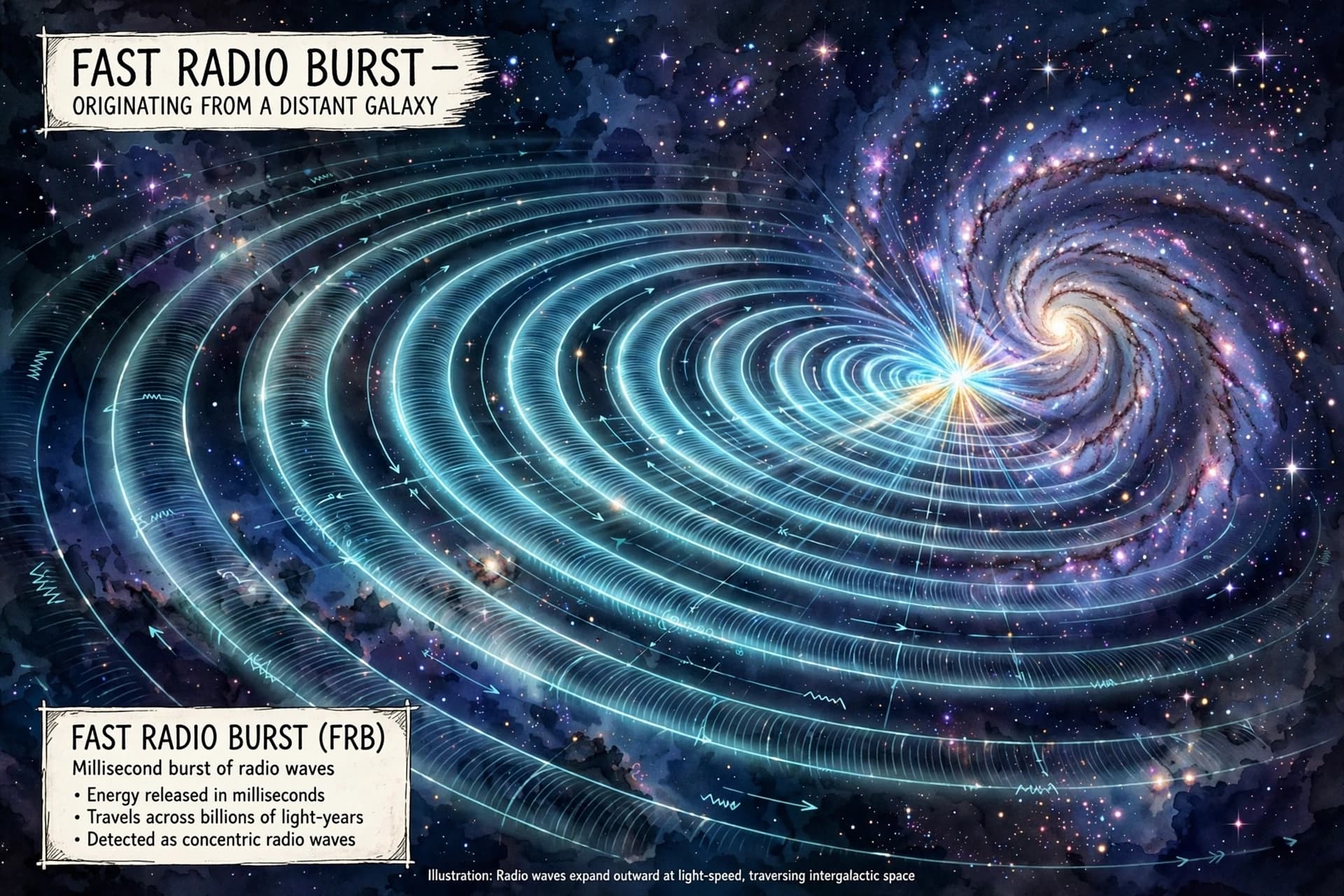
AI Image Disclaimer Visuals are created with AI tools and are not real photographs.
Source Check (Credible Media Outlets):
Nature Science Magazine MIT Technology Review The New York Times BBC Science
Published by Banx Network. This article is part of the Banx decentralized media programme, powered by the BXE token on the XRP Ledger.