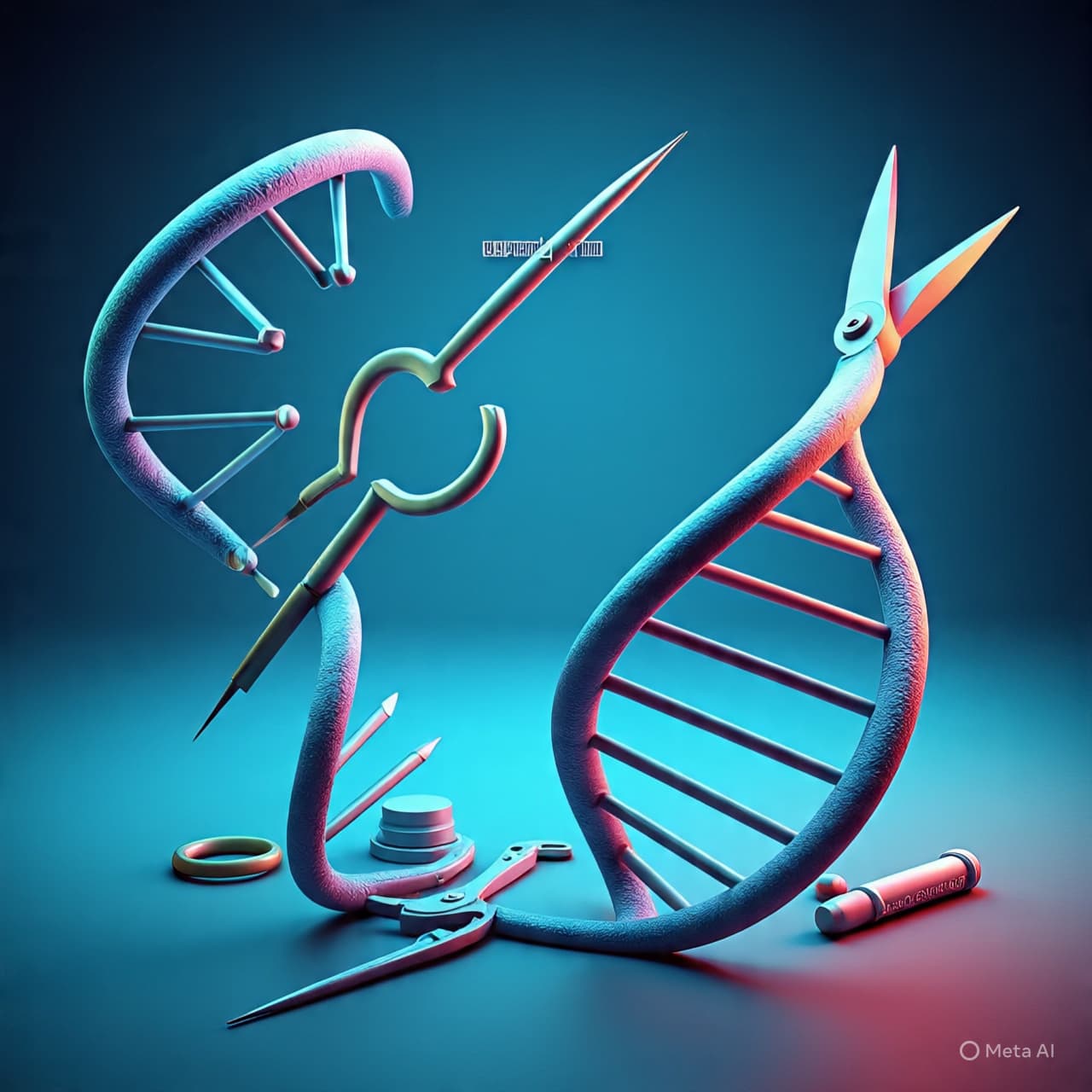
Full Article (Opening–Body–Closing) There is something haunting in the idea of bringing back a creature that walked the Earth tens of thousands of years ago — a once‑living mosaic of genetics and behavior, imagined again in the light of modern technology. For some, it is a story filled with wonder and hope; for others, a narrative that risks easing the moral weight of what it means when species disappear from the world permanently.
In recent years, companies such as Colossal Biosciences — a Texas‑based biotechnology firm — have drawn enormous attention by claiming they can “resurrect” animals like the dire wolf, woolly mammoth, dodo, and even the Tasmanian tiger using advanced genetic engineering and reproductive technologies. The idea is that by sequencing ancient DNA and editing the genomes of closely related living species, attributes of extinct animals might be recreated in living proxies. These efforts are rooted in cutting‑edge science, but they are also high on public imagination and media spectacle.
Yet scientists and ethicists caution that true de‑extinction — making an extinct species identical to its original form — remains scientifically impossible and conceptually fraught. What these companies are actually producing are genetically engineered proxies with some traits of extinct animals, rather than a genuine return from extinction.
A recent study examining public reactions to scenarios in which de‑extinction technology is used found no significant evidence that proposing de‑extinction makes people more accepting of species loss than other conservation trade‑off scenarios. In other words, simply telling people “we can bring a species back later” did not make them more comfortable with human‑driven extinction outright — unless they already believed strongly that de‑extinction was genuinely possible. In those cases, people were more likely to view extinction as acceptable, possibly using the idea of resurrection as an intellectual escape hatch.
This subtle psychological interplay reveals an ethical tension. On one hand, the scientific pursuit of genetic tools and ecological knowledge can advance conservation, potentially providing new ways to bolster vulnerable species or reintroduce genetic diversity where it has been lost. On the other hand, overstating what de‑extinction technology can actually accomplish risks creating a false comfort — the idea that extinction is reversible or that science will always find a way to undo ecological harm.
Critics warn that this kind of narrative could divert attention and resources from the real work of saving species currently under threat, whose habitats are disappearing and whose survival relies on immediate action, not speculative science. It can also enable a form of moral hazard: believing that missed extinctions can one day be undone may dampen the urgency of protecting biodiversity today.
Thus, while the vision of resurrected mammoths or dodos captures the public imagination, many scientists stress careful communication. Clear, honest framing about both the promise and limitations of de‑extinction technology can help ensure enthusiasm for future breakthroughs does not slip into complacency about present‑day loss — because once an ecosystem unravels, there is no guaranteed rewind button.
AI Image Disclaimer (Rotated Wording) “Visuals are created with AI tools and are not real photographs.”
Sources The National Tribune/The Conversation analysis, Encyclopaedia Britannica de‑extinction entry, Colossal Biosciences company overview.
Published by Banx Network. This article is part of the Banx decentralized media programme, powered by the BXE token on the XRP Ledger.