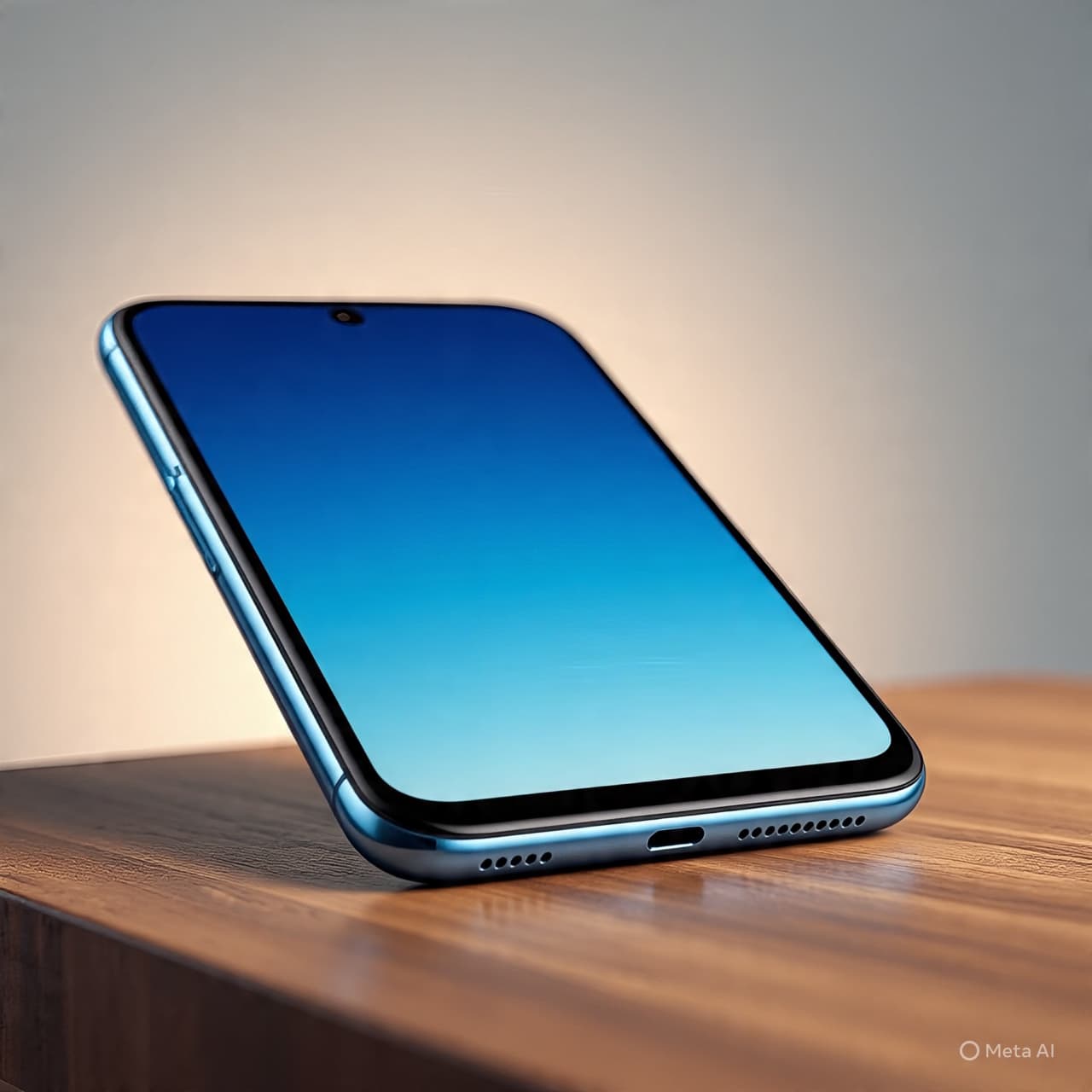
There are days when the future feels like a distant horizon — a place of vague promise and soft outlines, barely visible through the haze of now. And then come moments, like the slow reveal of a new smartphone generation, that feel like a hint of sunrise: not yet full daylight, but enough to make you imagine what might lie ahead. In the months leading up to its unveiling, the Samsung Galaxy S26 has been the subject of a growing constellation of leaks and whispers — each one a small beam of light suggesting how this next flagship could gently persuade even the most contented user to ponder a switch.
Rumors suggest the S26 will lean into refined design and performance rather than dramatic reinvention. Early reports point to a familiar silhouette, polished rather than overhauled, much like a classic melody played with new nuance rather than rewritten entirely. Inside, however, is where the quiet ambition gathers: all models in the lineup are expected to be powered by next-generation silicon, including Qualcomm’s Snapdragon 8 Elite Gen 5 chip in many regions, or Samsung’s own Exynos 2600 in others, promising not just speed but thoughtful efficiency in everyday use.
There is talk of display enhancements that may illuminate this potential with subtle brilliance. Beyond size tweaks and brightness improvements, we may be on the verge of AI-driven adaptive refresh rates, which learn from how you use your phone and respond with smoother transitions and gentle energy savings. It feels like not just seeing pixels better, but feeling them respond to your pace.
For many, photography is where a device earns its place in your pocket — the storyteller of everyday life. The Galaxy S26 is rumored to push forward with refined camera systems designed not just for higher numbers, but for deeper, richer captures: wider apertures for better low-light performance and smarter AI-assisted image processing that understands moments as they unfold.
Charging and battery life shape the rhythm of our use almost invisibly, like breath in a conversation. Rumors of built-in magnetic Qi2 wireless support hint at a smoother, more integrated approach to powering up — a quiet nod to convenience that might make the thought of another ecosystem momentarily attractive.
Amid the hardware chatter, a quieter yet compelling narrative emerges in the software: an evolution of One UI based on Android 16, with deeper AI integration that seeks to anticipate needs rather than simply execute commands. Whether through smarter voice assistance or adaptive tools that feel personal over time, this layer could soften the transition between devices, turning the phone into a more intuitive companion.
Privacy, too, is reportedly weaving itself more consciously into the experience. The Ultra model is said to support a privacy display — a feature echoing a growing desire for personal space even in public places — that offers subtle shielding of content from unwanted glances.
Finally, beyond silicon and screens, there’s the sense of an ecosystem gently converging towards a future where innovation feels thoughtful rather than frenetic — a horizon just visible enough to make you wonder if, perhaps, this next sunrise will be worth waking up for.
Samsung is anticipated to formally unveil the Galaxy S26 series at its February 2026 Galaxy Unpacked event, with global availability shortly thereafter. The lineup is expected to include multiple models with upgraded performance, refined design elements, and enhanced software features based on Android 16 with One UI 8. Samsung has not officially confirmed specifications or pricing; all details remain subject to change until formal announcement.
AI Image Disclaimer Visuals are created with AI tools and are not real photographs.
Sources (Credible Mainstream/Niche) SammyGuru The Shortcut TechRadar Tom’s Guide Engadget
Published by Banx Network. This article is part of the Banx decentralized media programme, powered by the BXE token on the XRP Ledger.