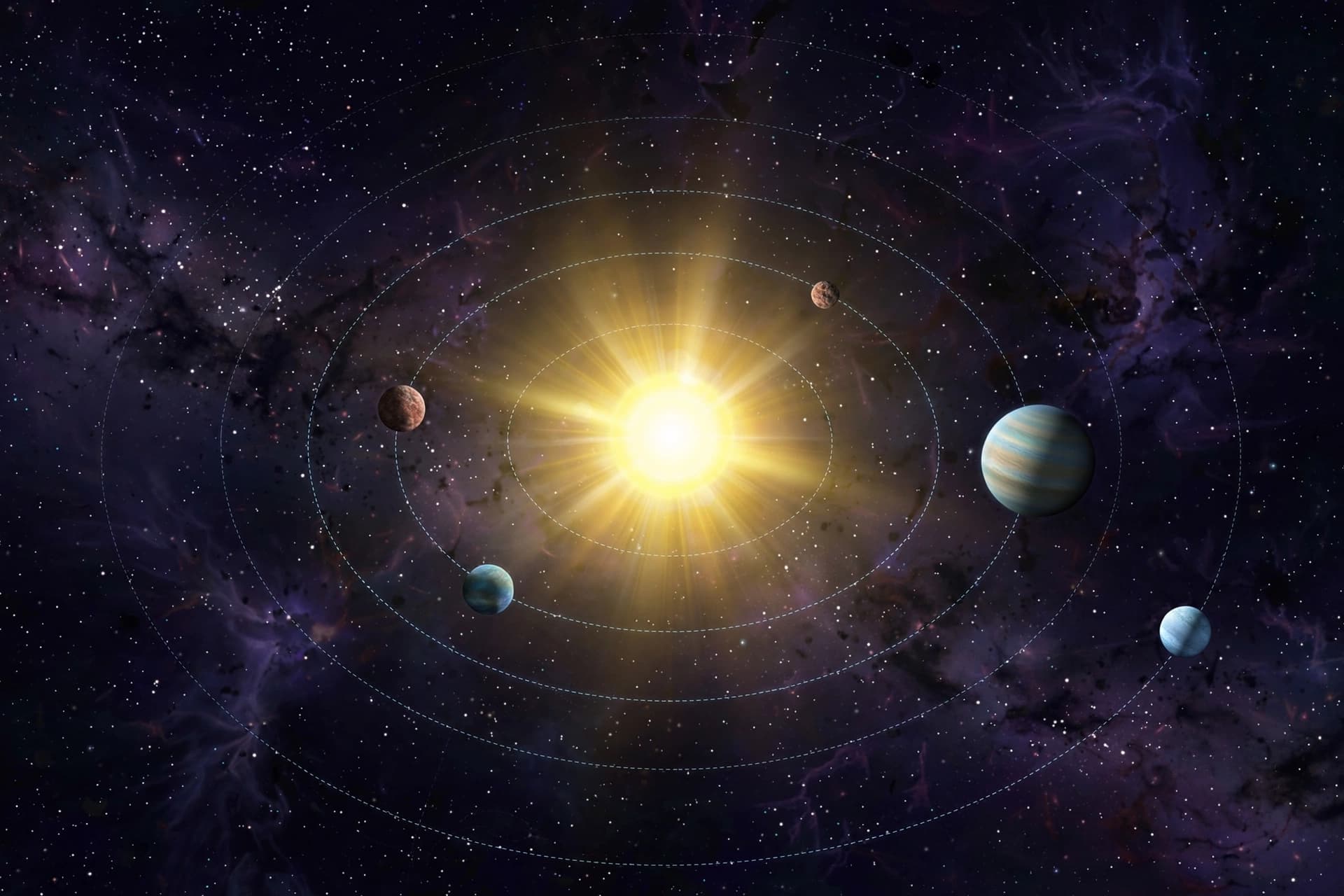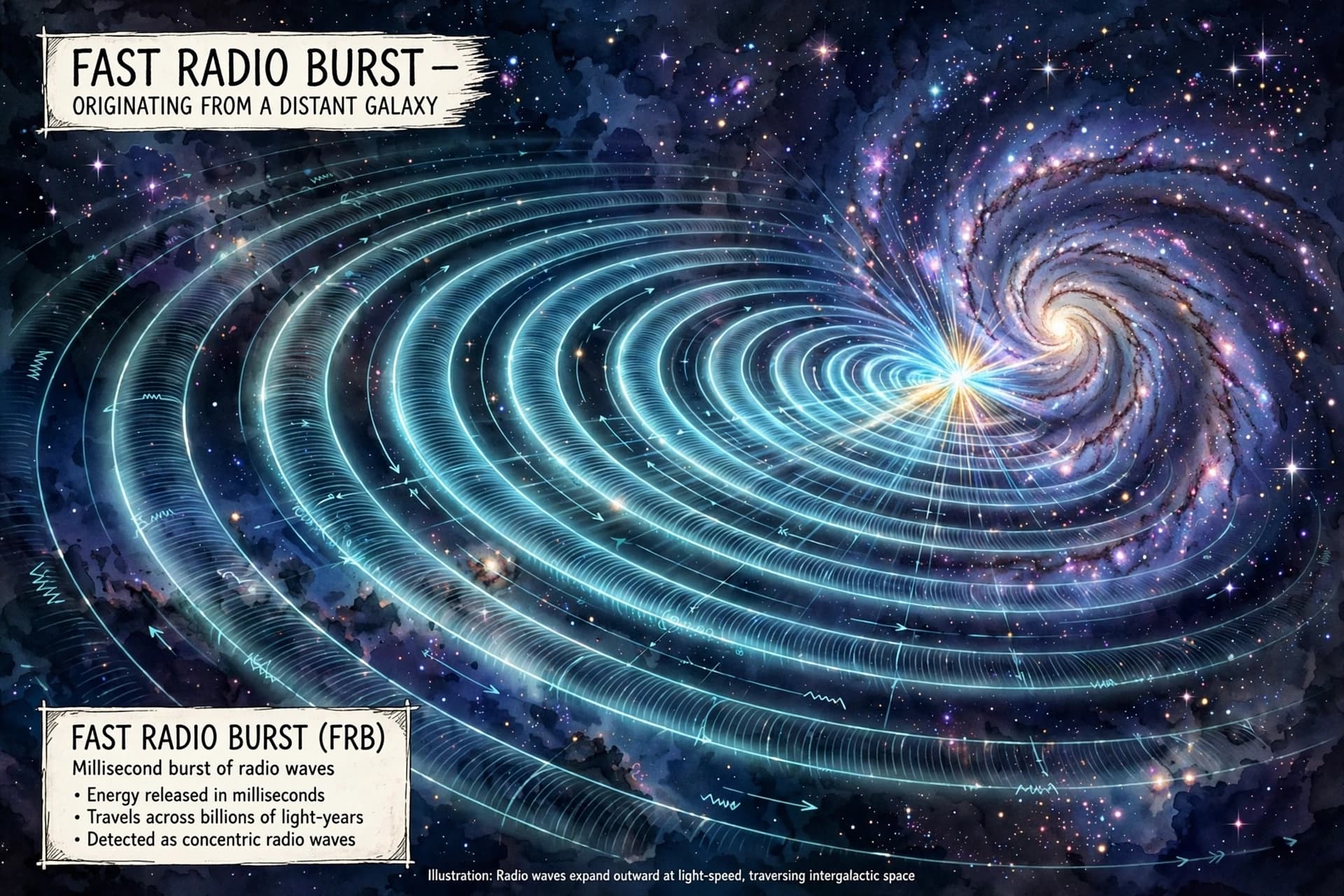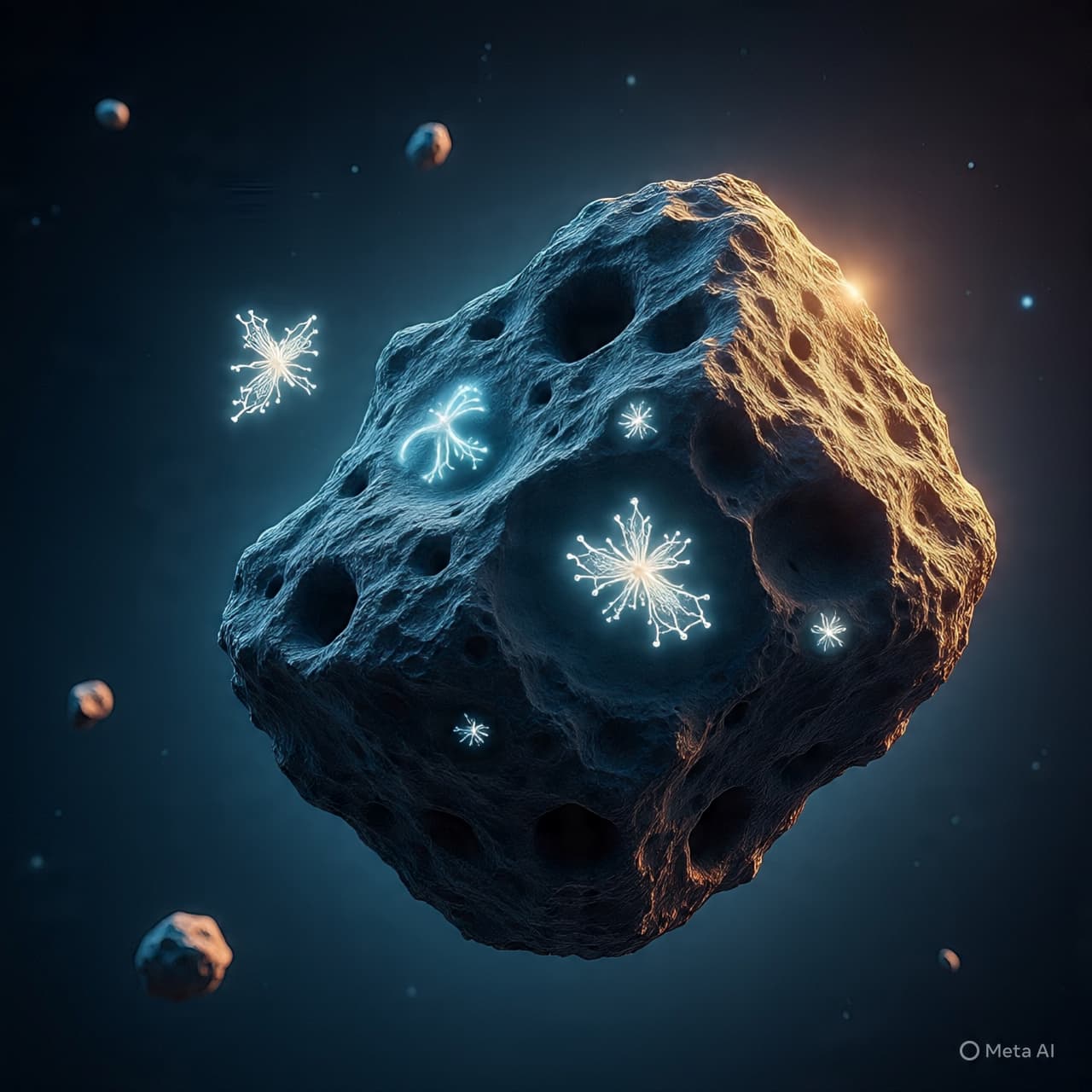
There’s a gentle poetry to the idea that life might be more like a passing breeze than a rooted tree, whispering its way across the solar system on the backs of wayward rocks. Imagine, for a moment, that we are not merely children of Earth, but travelers in an interplanetary current, cast adrift from one world only to find breath on another. This is not the stuff of fantasy alone: recent scientific work has begun to shed light on the very real possibility that microscopic life could survive the tumultuous journey between planets, tucked within the protective embrace of asteroid fragments hurled into space by violent impacts.
At the heart of this exploration is research into a remarkable microorganism known for its tenacious resilience. Scientists at Johns Hopkins University designed experiments that mimic the brutal forces unleashed when an asteroid strikes a planet like Mars. In the controlled confines of a laboratory, researchers subjected the extremophile Deinococcus radiodurans to crushing pressures similar to what rock fragments might experience during such cataclysmic events. What they found was surprisingly gentle in its promise: under pressures comparable to those needed to blast material off a planet’s surface, a significant fraction of these microbes survived unfazed.
This study, recently published in PNAS Nexus, suggests that life — at its smallest scales — may possess an almost lyrical durability. Even under pressures many thousands of times greater than Earth’s atmosphere, a notable portion of microbes continued on without fatal harm. Some specimens showed only minor damage, while others seemed to endure almost effortlessly through conditions once thought too extreme for biological endurance.
This line of inquiry touches on a long-standing scientific idea called lithopanspermia — the hypothesis that life can travel from one world to another aboard rock fragments ejected during impact events. Though the notion has been debated for decades, this new experimental evidence injects fresh momentum into the conversation. It reminds us that life, at its foundation, might be less fragile than we often assume, capable not just of persisting on a single world but perhaps of weaving a subtle thread between many.
Scientists are careful not to leap to grand conclusions. This research does not prove that life has actually journeyed from Mars to Earth — or vice versa — only that, under certain extreme conditions, it could endure such a voyage. Still, the implications ripple outward, inviting us to rethink not just how life began here but where else it might exist, and how interconnected the tapestry of life in our cosmic neighborhood might truly be.
In the quiet aftermath of this discovery, researchers are already looking ahead. What other hardy organisms might weather the journey between worlds? How might such resilience shape our understanding of planetary protection during future missions? And might the story of life on Earth include chapters written far beyond its surface? As the scientific community reflects on these questions, one thing is clear: the voyage of life, in its tiniest forms, may be far more adventurous than anyone ever imagined.
AI Image Disclaimer (Reworded) Illustrations were produced with AI tools and serve as conceptual depictions, not real photographs.
Sources ScienceDaily, EurekAlert!, Phys.org, Discover Magazine, Johns Hopkins University press.
Published by Banx Network. This article is part of the Banx decentralized media programme, powered by the BXE token on the XRP Ledger.