
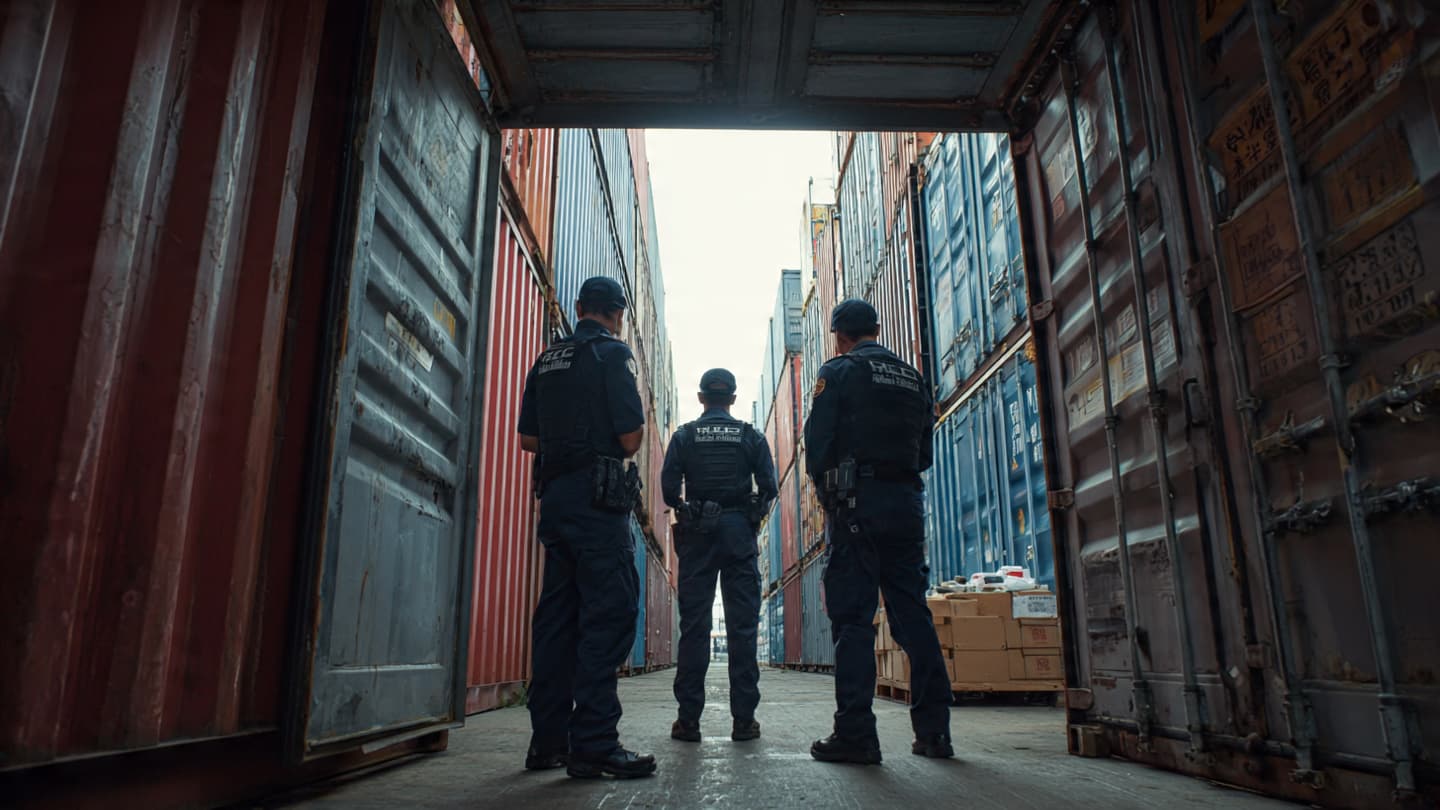
At first glance, insects may seem too small to attract significant attention. Yet in an increasingly interconnected world, the movement of living species across borders can raise concerns that extend far beyond their size.
Reports described a large-scale seizure involving oversized cockroach specimens, drawing attention from authorities responsible for quarantine, customs enforcement, and environmental protection.
Officials involved in such operations often focus on preventing the unauthorized transport of living organisms. Concerns may include ecological disruption, invasive species risks, and violations of wildlife or agricultural regulations.
In recent years, interest in exotic insects has expanded among collectors, breeders, researchers, and hobbyists. That growing demand has occasionally led to increased monitoring by border-control agencies.
Experts note that introducing non-native species into new environments can create unintended consequences. Some organisms adapt quickly, affecting local ecosystems and competing with native species.
Regulatory agencies therefore maintain strict rules regarding the transport and declaration of certain animals and insects. These requirements are intended to balance scientific, commercial, and environmental interests.
Large enforcement actions also serve as reminders of the complexity of global trade and travel. Even relatively small biological specimens can become the subject of significant regulatory attention.
Authorities are expected to continue reviewing the seized materials and determining whether additional legal or administrative measures are necessary.
AI Image Disclaimer: This illustration is AI-generated and intended only to visually represent the topic.
Sources: Independent verification of the specific headline was not available. Original source confirmation recommended
Note: This article was published on BanxChange.com and is powered by the BXE Token on the XRP Ledger. For the latest articles and news, please visit BanxChange.com