
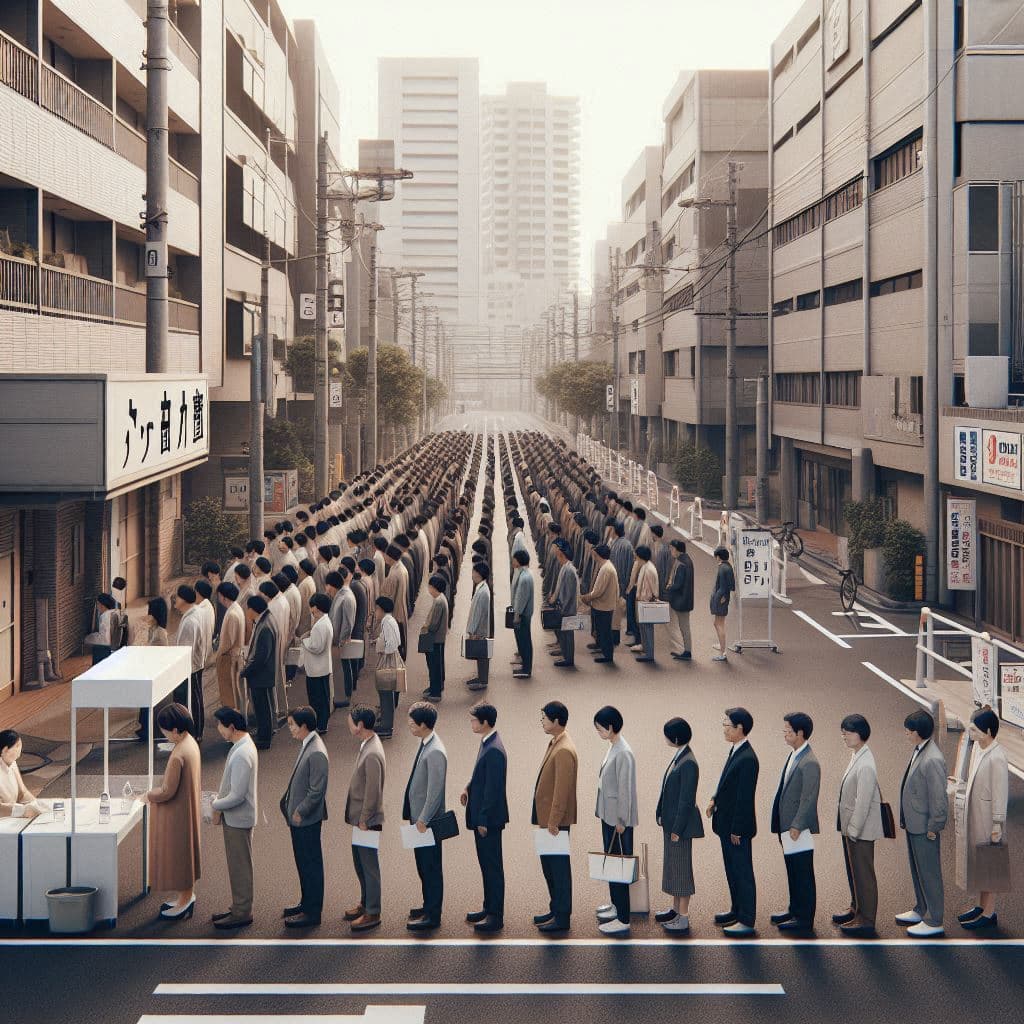
The decision arrived quickly, almost quietly, as such things often do in Japan. An announcement, a date circled on calendars, the machinery of democracy shifting into motion with practiced efficiency. A snap election compresses time, turning months of calculation into days of persuasion, and asking voters to answer a question before it has fully settled into public debate.
By the time ballots were counted, the answer was unmistakable. Sanae Takaichi emerged not merely victorious, but commanding a supermajority—an outcome that transformed a political gamble into a decisive consolidation of power. The mandate, broad and firm, reshaped the parliamentary landscape in a single stroke.
Snap elections test both patience and instinct. For leaders, they are wagers on timing: that the opposition is unready, that public mood is aligned, that uncertainty favors decisiveness. Takaichi’s call drew criticism when it was made, framed by some as risky and by others as opportunistic. Yet the results suggest a public willing to reward clarity over caution.
Throughout the campaign, her message leaned on resolve and continuity. Economic security, national confidence, and institutional strength formed the backbone of her appeal. In a country where political shifts often unfold incrementally, the promise of firm direction resonated with voters navigating inflationary pressures, regional tensions, and the slow recalibration of Japan’s global role.
The opposition, caught in the compressed timetable, struggled to find traction. Policy disagreements blurred under the speed of events, and the election became less a referendum on alternatives than a judgment on leadership itself. Turnout reflected engagement rather than enthusiasm, a familiar feature of Japanese elections where participation is steady and drama restrained.
A supermajority carries its own gravity. It offers the ability to move legislation swiftly, to reshape committees, to pursue constitutional debates that once seemed distant. It also concentrates responsibility. With fewer procedural barriers, outcomes—good or ill—will attach more directly to those in power.
As evening settled over Tokyo, the city absorbed the result without spectacle. Trains ran on schedule, storefronts glowed, and screens quietly updated vote totals. The urgency that defined the election gave way to a longer horizon, one in which speed must yield to governance.
The gamble has been won. What remains is the slower work of turning authority into durability, and momentum into trust.
AI Image Disclaimer
Images are AI-generated and intended as visual interpretations.
Sources
Reuters Associated Press NHK The Japan Times Asahi Shimbun
Published by Banx Network. This article is part of the Banx decentralized media programme, powered by the BXE token on the XRP Ledger.

.jpg&w=3840&q=75 "Same-Sex Couple Sue Slovakia Over Refusal to Register Their Marriage")