

Key Highlights
- Rising sea levels are influenced by greenhouse gas emissions and climate change.
- Delays in emission reductions can lock in long-term impacts on oceans.
- Vulnerable coastal communities face increasing risks from flooding and erosion.
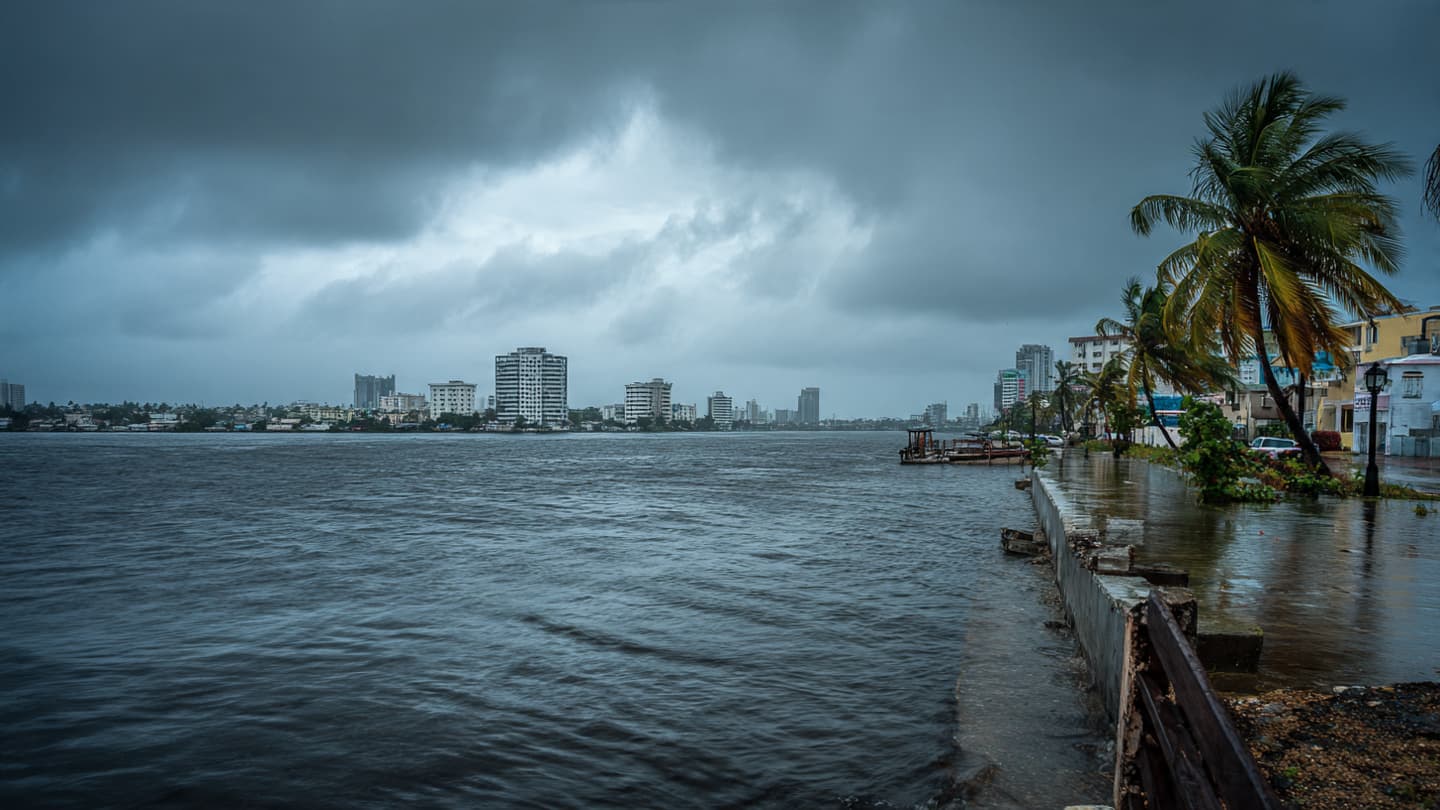
The ocean often appears steady, its horizon unbroken and calm. Yet beneath that quiet surface, long currents carry the weight of time, responding slowly but persistently to the choices made on land. The question of rising seas is not a sudden storm, but a gradual shift—one shaped by decisions that stretch across decades.
Climate scientists have continued to emphasize that delaying action on greenhouse gas emissions is closely linked to higher global sea levels by the end of the century. Research from international climate bodies indicates that the pace and scale of warming directly influence how much oceans expand and how quickly ice sheets melt. According to findings associated with the Intergovernmental Panel on Climate Change (IPCC), even modest delays in reducing emissions can lock in long-term impacts. These include thermal expansion of seawater and accelerated melting of glaciers and polar ice.
The relationship between present-day emissions and future sea levels is not immediate, but it is cumulative. Scientists describe it as a system with memory, where today’s atmospheric changes continue to shape ocean behavior decades into the future. This means that the decisions made today regarding emissions will have repercussions that extend far beyond the immediate future, affecting generations to come.
Communities in low-lying coastal regions are often cited as the most vulnerable. Infrastructure, housing, and ecosystems in these areas face increasing exposure to flooding and erosion as sea levels rise incrementally. The IPCC warns that without significant mitigation efforts, many of these communities could face severe consequences, including displacement and loss of livelihoods.
Researchers have also noted that early and sustained mitigation efforts can significantly reduce the scale of long-term change. While some degree of sea-level rise is already unavoidable, the difference between moderate and severe outcomes remains substantial. For instance, if global temperatures are kept below 1.5 degrees Celsius, the impacts on sea levels could be significantly less severe than if temperatures rise above this threshold.
Policy discussions continue to reflect these findings, with governments weighing economic, environmental, and social considerations. The timing of action, however, remains a consistent theme in scientific assessments. Experts continue to stress that decisions made in the coming years will play a decisive role in shaping global sea levels by 2100. The broader narrative is one of gradual consequence, where the effects unfold over time but are rooted in present-day choices.
In conclusion, the ocean's response to climate change is not merely a future concern; it is a present reality that demands immediate action. The choices made today will determine the fate of coastal communities and ecosystems for generations to come.
Published by Banx Network. This article is part of the Banx decentralized media programme, powered by the BXE token on the XRP Ledger.




