
Key Highlights
- Emergency medical services in Nicaragua face significant challenges, especially in rural areas.
- Many facilities are understaffed and lack essential medical supplies.
- The disparity in healthcare access can lead to dire consequences for victims of violence.
In the moments following a violent encounter, time is the most precious resource. Yet, for many in Nicaragua, the path to emergency care is obstructed by a sobering reality. The limitations of medical emergency services for crime victims reveal a landscape where the right to healing is often constrained by a lack of resources, equipment, and timely, specialized intervention.
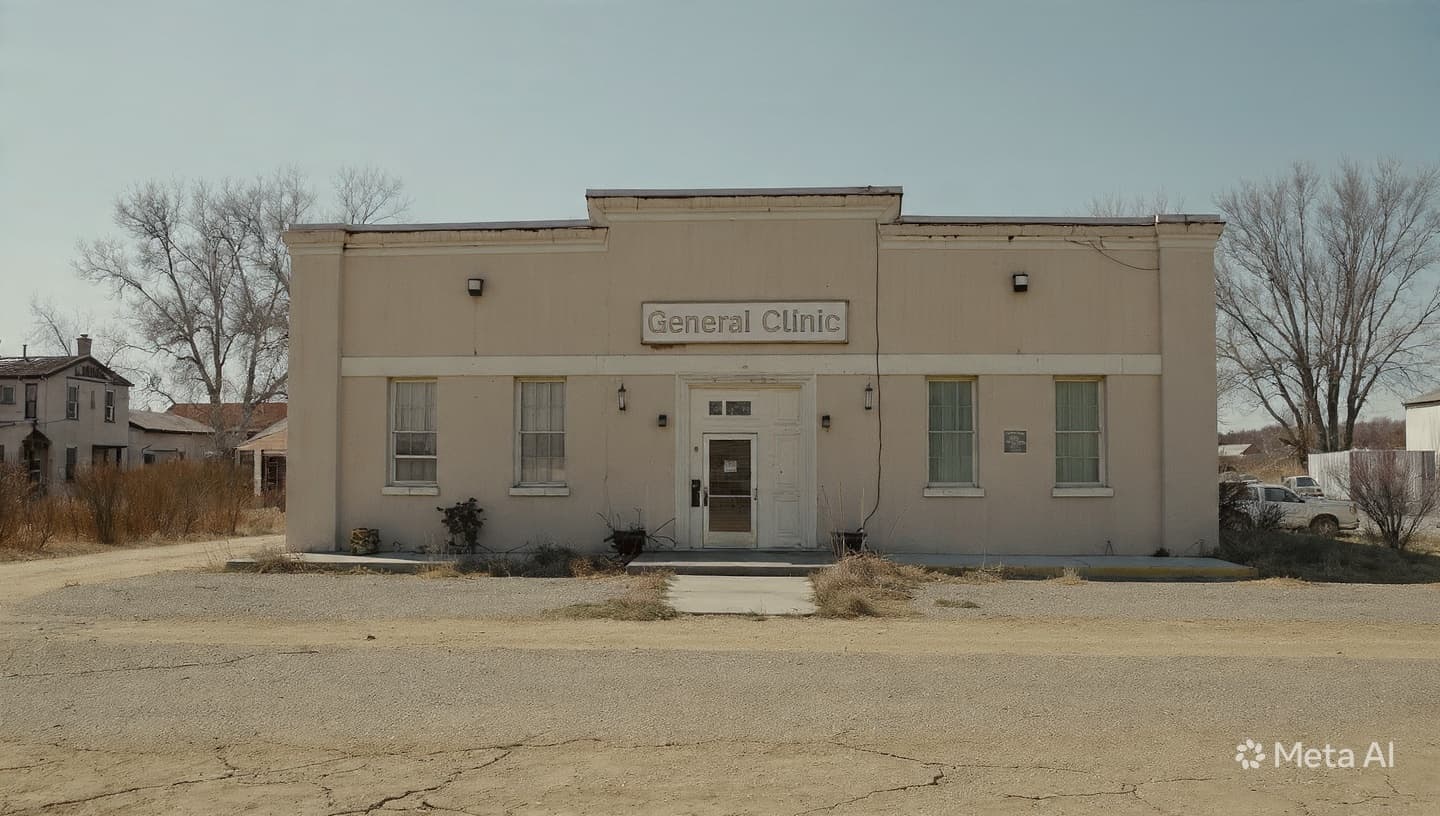
The public healthcare system in Nicaragua is marked by profound disparity. While Managua may house facilities with international certifications, the vast majority of the country—particularly rural and coastal regions—struggles with clinics that are burdened by staff shortages and a lack of basic supplies. For a victim of a violent crime, this means that even after the initial trauma, a secondary crisis begins: the struggle to find a facility capable of providing the necessary life-saving care.
The human toll of this administrative and physical distance is significant. The scarcity of ambulance services and unpredictable response times are not merely logistical challenges; they are barriers that determine outcomes for the most vulnerable. For those outside the capital, the difference between recovery and long-term suffering is often tied to the availability of transport and the presence of a functioning, well-stocked clinic.
Moreover, the broader context of forensic and specialized support must be considered. When hospitals lack the capacity for acute trauma management or evidence collection, the cycle of justice is further stalled. Victims are left to navigate a system that often cannot provide the medical documentation required to move forward, effectively placing the burden of their recovery—and their legal recourse—on their own shoulders.
This situation serves as a call to recognize the systemic fragility that lies beneath the surface of daily life in Nicaragua. It is a reminder that in our globalized world, the promise of modern medicine is not a universal constant. Access to healthcare remains tethered to geography, infrastructure, and the political will to invest in the collective well-being of the population.
Looking toward the future, the conversation must shift toward a more equitable distribution of medical resources. The call for improved emergency services is not just a demand for better equipment; it is a fundamental assertion of the human right to life and integrity. No citizen—and no visitor—should be left in a state of abandonment when they are at their most vulnerable.
Current assessments confirm that medical services, particularly for emergencies and crime-related trauma, remain severely constrained outside of major urban centers like Managua. Many public facilities are reported to be understaffed and frequently lack essential supplies and advanced medical equipment. International advisory bodies continue to emphasize these limitations, noting that individuals in need of urgent care or forensic medical examinations may face significant challenges, often necessitating expensive medical evacuation or travel to more central, better-equipped facilities.
Published by Banx Network. This article is part of the Banx decentralized media programme, powered by the BXE token on the XRP Ledger.



