
Key Highlights
- Lula da Silva, at 80, livestreams workouts ahead of the 2026 election.
- The strategy aims to reshape perceptions of age and vitality in politics.
- Social media serves as a platform for personal narrative and public engagement.
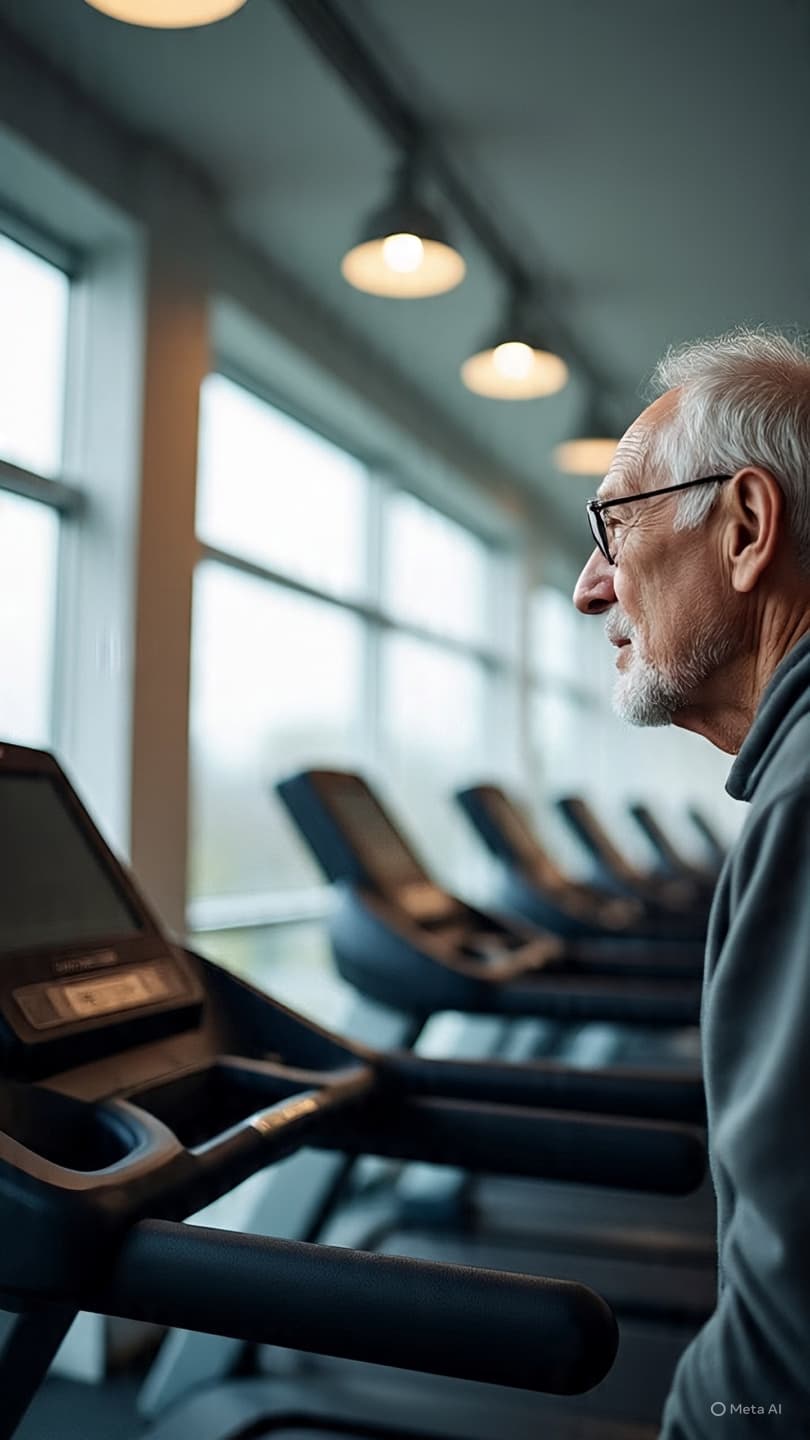
In the heart of Brasília, as dawn breaks, Luiz Inácio Lula da Silva, the 80-year-old Brazilian president, is redefining political engagement through an unexpected medium: his workout routines. With the 2026 election looming, Lula has taken to livestreaming his fitness sessions, showcasing a blend of stretching, lifting, and steady exertion. These broadcasts, shared widely on social media, are more than mere fitness displays; they are strategic moves in a political landscape where age and vitality are under scrutiny.
The decision to share these personal moments reflects a keen awareness of the political narrative in Brazil, where image often intertwines with governance. Lula's age, rather than being a liability, is being reframed as a testament to endurance and resilience. In a political arena where his opponent is nearly half his age, Lula's workouts serve as a counter-narrative, emphasizing not just his physical capability but also his commitment to public service.
Each livestream session becomes a chapter in a broader story about leadership and presence. Instead of engaging in direct rhetoric about his age, Lula opts for a demonstration of vitality through action. This approach allows him to communicate strength and capability without the need for words, inviting viewers to witness his dedication firsthand. The act of exercising in front of a live audience transforms the mundane into a powerful political statement.
Social media plays a pivotal role in this strategy, acting as both a stage and a mirror for Lula's campaign. The immediacy of livestreaming offers an unfiltered glimpse into his daily life, fostering a sense of authenticity that traditional political communication often lacks. By sharing these moments, Lula not only shapes his narrative but also invites the public to engage with him on a personal level, bridging the gap between politician and citizen.
As the election approaches, the significance of these broadcasts becomes increasingly apparent. They are not merely supplementary to policy discussions; they are integral to how Lula is perceived in a competitive political landscape. Observers note that such gestures resonate differently among various demographics, reinforcing confidence in some while adding complexity to his public persona for others.
In this evolving campaign, Lula's early morning workouts symbolize more than just physical fitness; they represent a broader shift in political engagement. The integration of personal habits into campaign narratives reflects a modern approach to connecting with voters, where health and vitality are seen as indicators of readiness for leadership. As the campaign unfolds, these moments contribute to a multifaceted image of Lula, one that balances experience with the vigor of an active lifestyle.
Ultimately, the image of an 80-year-old leader engaging in a disciplined routine speaks volumes about the nature of contemporary politics. It serves as a reminder that while grand gestures often dominate the political stage, the quieter, more personal moments can equally shape public perception and influence electoral outcomes. As the sun rises over Brasília, Lula's campaign continues, propelled not only by promises and policies but also by the steady rhythm of his morning workouts, inviting a watching world to witness his journey.
Published by Banx Network. This article is part of the Banx decentralized media programme, powered by the BXE token on the XRP Ledger.



