
Key Highlights
- Cyclone Ditwah caused widespread devastation across Southeast Asia.
- Hundreds of thousands of individuals were displaced and required urgent aid.
- The humanitarian response focused on providing essential supplies and psychological support.
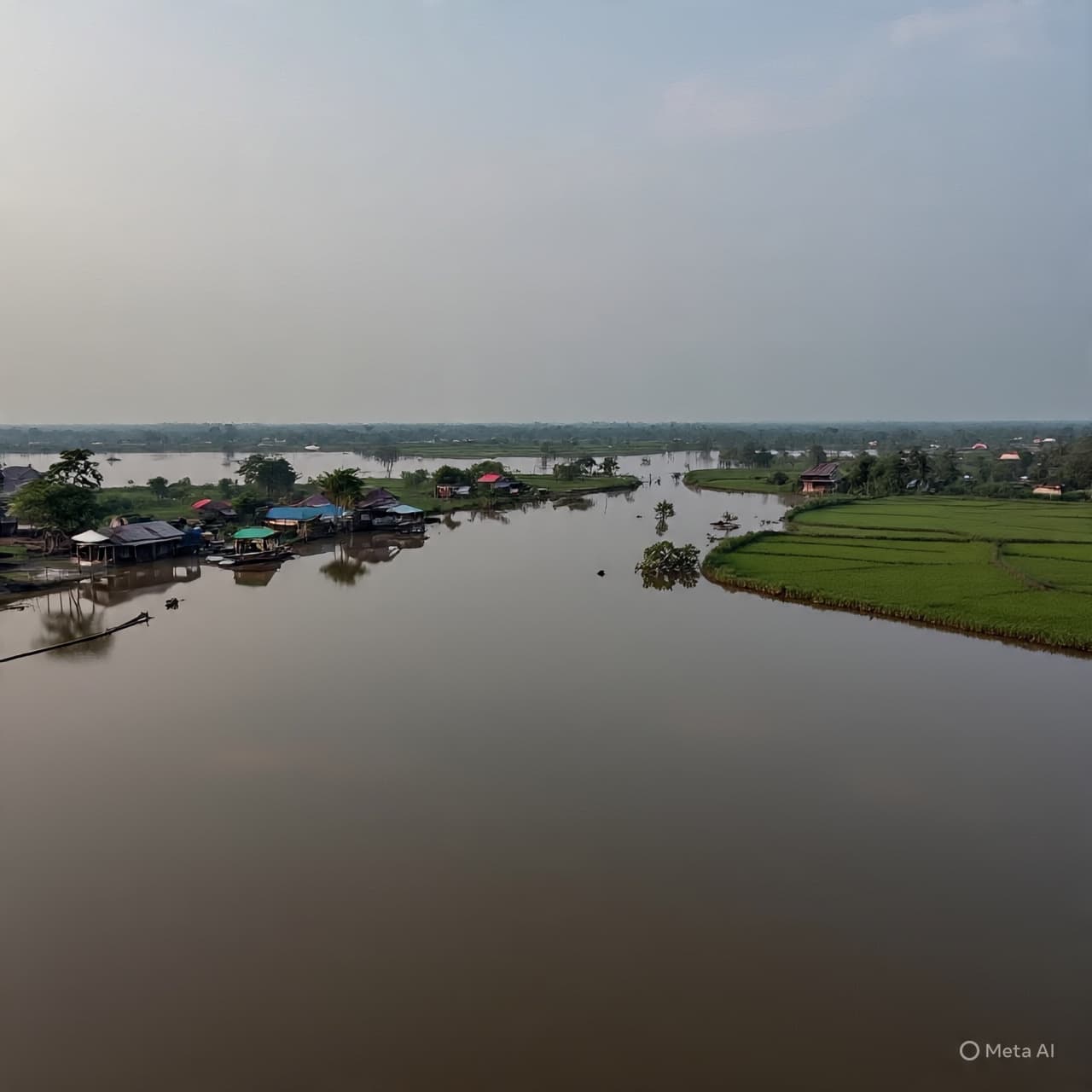
The aftermath of Cyclone Ditwah has left Southeast Asia grappling with a humanitarian crisis of significant proportions. As the storm subsided, it revealed a landscape transformed by water and debris, where homes and roads were submerged, and communities faced the daunting task of recovery. The cyclone's impact was not just physical; it erased the boundaries of daily life, merging homes with floodwaters and turning familiar streets into rivers.
In the immediate wake of the storm, the urgency of survival took precedence. Aid organizations mobilized quickly, delivering essential supplies such as clean water, food, and temporary shelter to the hundreds of thousands affected. The initial response was characterized by a frantic energy, as volunteers and professionals worked tirelessly to provide immediate relief. This phase was crucial, as the needs of the displaced population were dire, and the chaos of the storm's aftermath demanded swift action.
However, as the initial shock began to fade, the focus shifted from immediate survival to long-term recovery. The relief efforts evolved into a more structured approach, addressing not only the physical needs of the population but also the psychological toll of the disaster. Many individuals found themselves in temporary shelters, living in a state of limbo, where the past was lost, and the future remained uncertain. This transitional phase highlighted the importance of mental health support, as communities began to process their trauma and rebuild their lives.
The stories emerging from the affected areas reveal the profound impact of Cyclone Ditwah on personal lives. Each displaced individual carries a narrative of loss and resilience, where homes are not just structures but repositories of memories. The relief efforts, therefore, must encompass more than just food and shelter; they must also address the emotional scars left by the storm. Local organizations and international aid groups have played a vital role in weaving hope back into the fabric of these communities, providing not only material support but also a sense of dignity and recognition.
As weeks turned into months, the challenge of maintaining momentum in recovery became apparent. The initial surge of international attention began to wane, yet the reality for those affected remained unchanged. Reconstruction is a slow process, requiring sustained support and resources. The need for ongoing assistance is critical, as communities strive to rebuild their lives amidst the remnants of destruction.
This situation serves as a reminder of our interconnectedness in the face of natural disasters. When one part of the world suffers, it resonates globally, prompting a collective response. The aid provided to those affected by Cyclone Ditwah is a testament to the belief that no community should face such challenges alone. As the world watches and responds, it is essential to remain engaged with the realities of recovery, ensuring that the voices of those impacted are heard and their needs addressed.
In conclusion, the humanitarian response to Cyclone Ditwah illustrates the complexities of disaster recovery. It is a journey that requires not only immediate action but also long-term commitment to rebuilding lives and communities. As we reflect on the aftermath of this storm, we must remain vigilant in our support, recognizing that the path to recovery is ongoing and that every effort counts in restoring hope and resilience to those affected.
Published by Banx Network. This article is part of the Banx decentralized media programme, powered by the BXE token on the XRP Ledger.



