
Key Highlights
- Arrest:Andrew Mountbatten-Windsor, formerly Prince Andrew, arrested on suspicion of misconduct in public office.
- Royal Response:King Charles III issues a statement expressing concern and emphasizing due process.
- Legal Context:The arrest is linked to renewed scrutiny from the Epstein files, highlighting ongoing legal challenges.
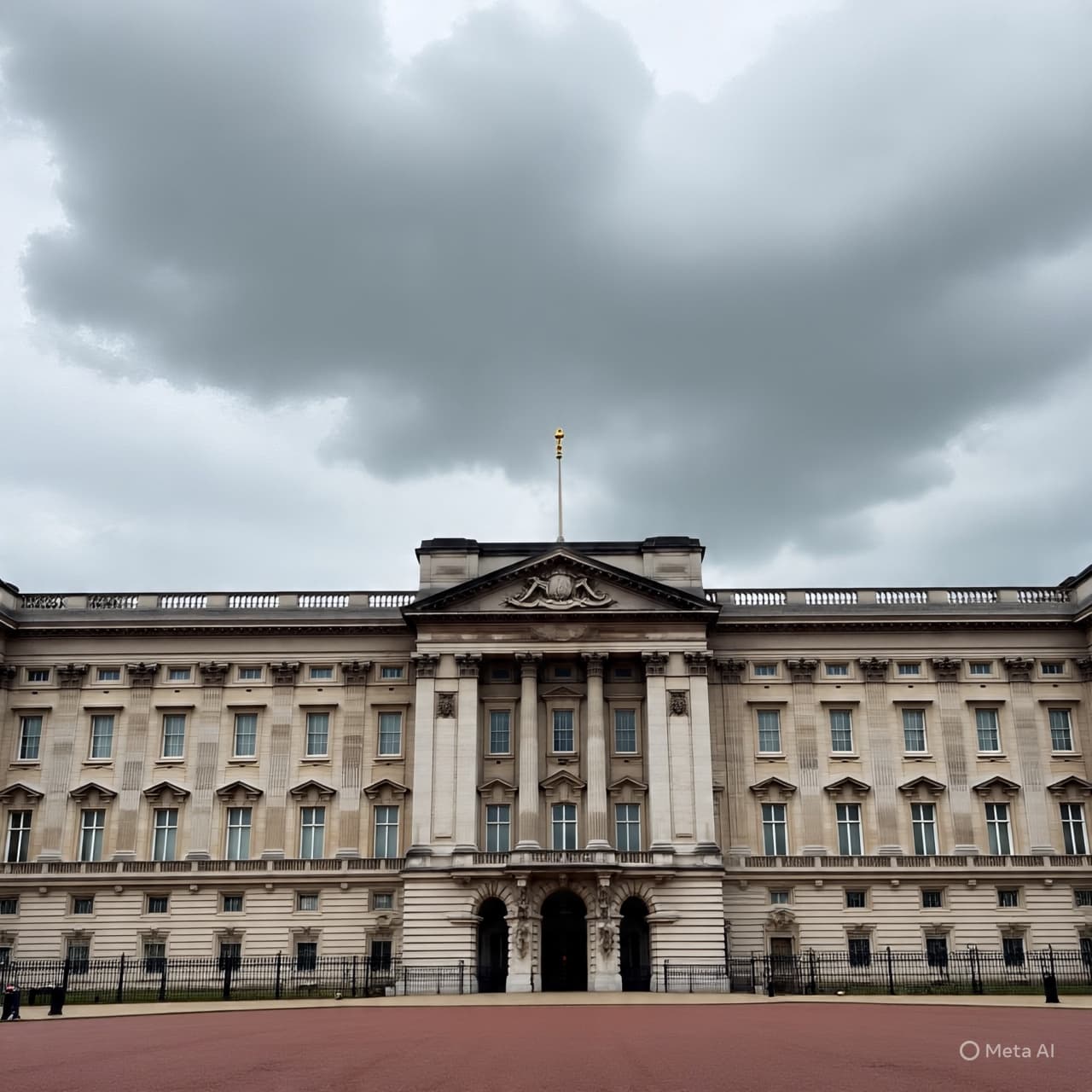
On a gray British afternoon, the royal household found itself at an emotional crossroads, closely watched by a global public. The arrest of Andrew Mountbatten-Windsor, once styled Prince Andrew, sent a subtle yet unmistakable tremor through the traditions of the Windsor legacy. This moment, steeped in history and uncertainty, elicited a response from King Charles III, who expressed a blend of personal concern and institutional restraint.
Mountbatten-Windsor, now 66, was taken into custody on suspicion of misconduct in public office amid renewed scrutiny tied to revelations in the Epstein files—a vast collection of documents associated with the late financier Jeffrey Epstein. The timing of the arrest, coinciding with his birthday, underscored the surreal juxtaposition of a life once framed by privilege and ceremonial stature with the stark realities of legal investigation.
In response, King Charles issued a written statement that was both gentle in tone and firm in principle. "I have learned with the deepest concern the news about Andrew Mountbatten-Windsor and suspicion of misconduct in public office," the king stated, capturing a blend of familial gravity and constitutional duty rarely aired in such circumstances. His words did not drift into judgment but rather settled like a careful breath, affirming that what follows is "the full, fair and proper process by which this issue is investigated in the appropriate manner and by the appropriate authorities."
This statement serves as a reminder that even the most enduring institutions are bound by the steady motions of law. In expressing "our full and wholehearted support and co-operation," Charles emphasized a widely cited principle that has become a refrain in this story: "the law must take its course." Such phrasing, while straightforward, carries a weight that speaks both to the rule of law and to the delicate balance between family loyalty and public accountability.
The king’s statement came shortly after police conducted searches at multiple properties associated with Mountbatten-Windsor. Authorities continue to sift through files, emails, and records tied to trade envoy activities that remain at the center of the inquiry. This ongoing investigation underscores the complexities faced by the royal family as they navigate public scrutiny and legal challenges.
Amid these developments, the broader royal family’s commitment to duty and service was underlined, suggesting that even in moments of private concern, the constitutional role the monarchy occupies in national life endures. In a world where headlines can be sharp and judgments swift, the king’s words served as a tempered reflection—acknowledging human complexity without undercutting the steady workings of the legal process. As this chapter unfolds, the balance between tradition and accountability continues to be closely watched, both at home and abroad.
Published by Banx Network. This article is part of the Banx decentralized media programme, powered by the BXE token on the XRP Ledger.



