

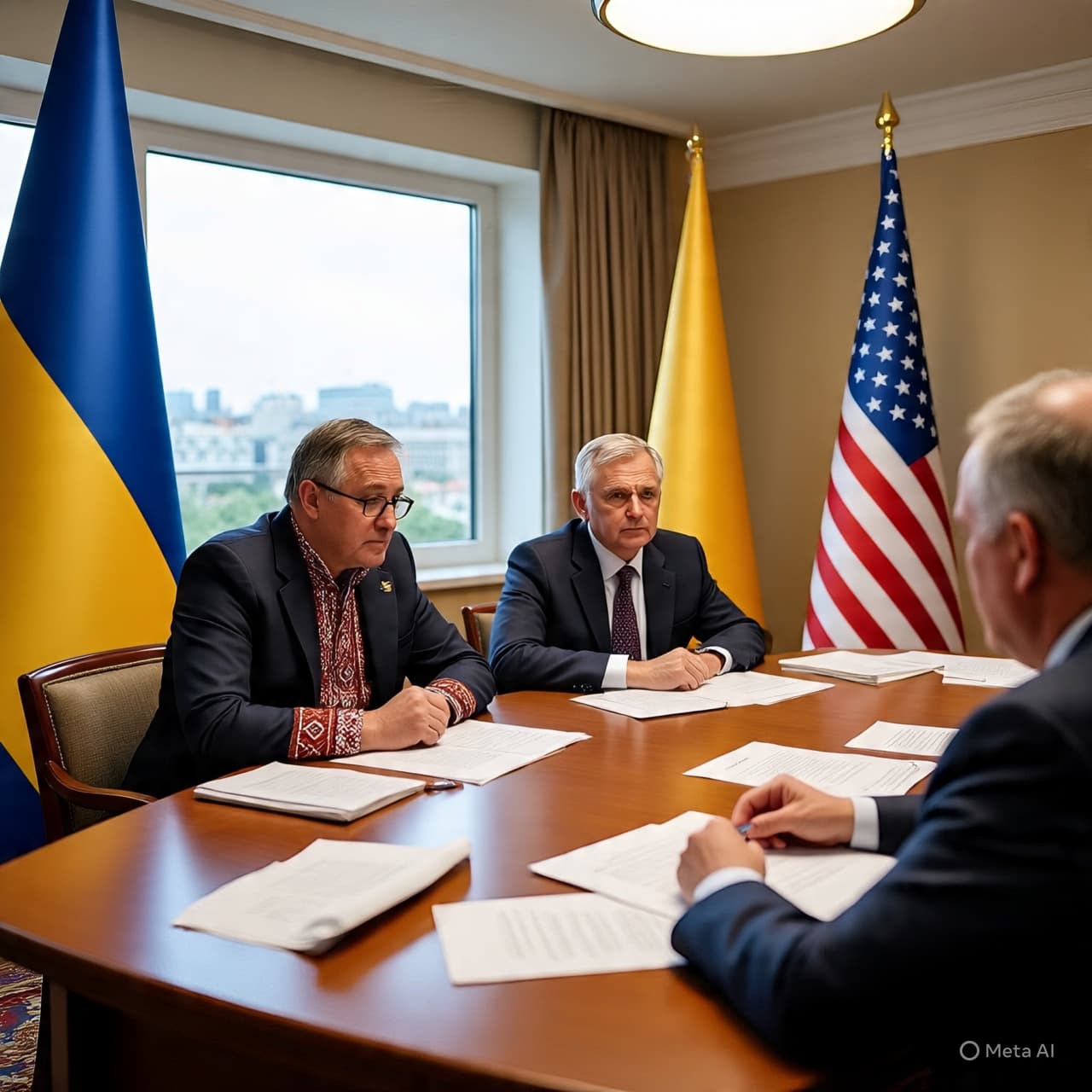
Key Highlights
- Diplomatic Engagement:Ukraine's President Zelensky sends a delegation to the U.S.
- Global Context:The visit comes amid shifting international focus towards the Middle East.
- Urgency in Messaging:Zelensky emphasizes the need to 'end the pause' in support for Ukraine.
In the realm of international diplomacy, moments of silence can often feel like decisions in themselves. As global tensions rise, particularly in the Middle East, Ukraine's President Volodymyr Zelensky has taken proactive steps to ensure that his country's voice remains prominent on the world stage. His recent call to action, encapsulated in the phrase "time to end the pause," signals a shift in Ukraine's diplomatic strategy, aiming to re-engage with allies at a time when attention is increasingly divided.
The decision to dispatch a delegation to the United States is not merely a routine diplomatic maneuver; it represents a calculated effort to maintain Ukraine's visibility amid competing global narratives. As the conflict in Ukraine continues, the challenge lies not only in sustaining military and political support but also in ensuring that the plight of the nation remains a priority in international discussions. The delegation's visit underscores the importance of these diplomatic gestures, which serve to reinforce relationships and clarify positions in a complex geopolitical landscape.
Zelensky's message is clear: the time for hesitation has passed. The phrase "end the pause" suggests that there has been a slowdown in support or engagement, and now is the moment to revitalize efforts. This urgency may pertain to military aid, policy discussions, or broader strategic alignments that are crucial for Ukraine's ongoing struggle. The exact nature of these discussions remains to be seen, but the intent to foster renewed momentum is evident.
For the United States, hosting such a delegation presents its own challenges. Balancing commitments across various global crises is a familiar yet increasingly complicated task. Each diplomatic engagement requires careful consideration of resources and strategic priorities, especially as the U.S. navigates multiple international issues simultaneously. Ukraine's presence in these discussions is significant, even as other global developments vie for attention.
Moreover, this moment reflects a broader reality of modern diplomacy: conflicts do not exist in isolation. The interplay of various crises can complicate how priorities are managed on the global stage. As the world grapples with multiple urgent situations, the need for clarity and focus becomes paramount. Ukraine's diplomatic efforts are a reminder that even amid chaos, there is a continuous need for dialogue and engagement.
In summary, President Zelensky's decision to send a delegation to the U.S. is a strategic move aimed at ensuring that Ukraine's needs and challenges remain at the forefront of international discussions. As global attention shifts, maintaining this visibility is crucial for the ongoing support and solidarity that Ukraine requires in its fight for sovereignty and stability.
Published by Banx Network. This article is part of the Banx decentralized media programme, powered by the BXE token on the XRP Ledger.




