
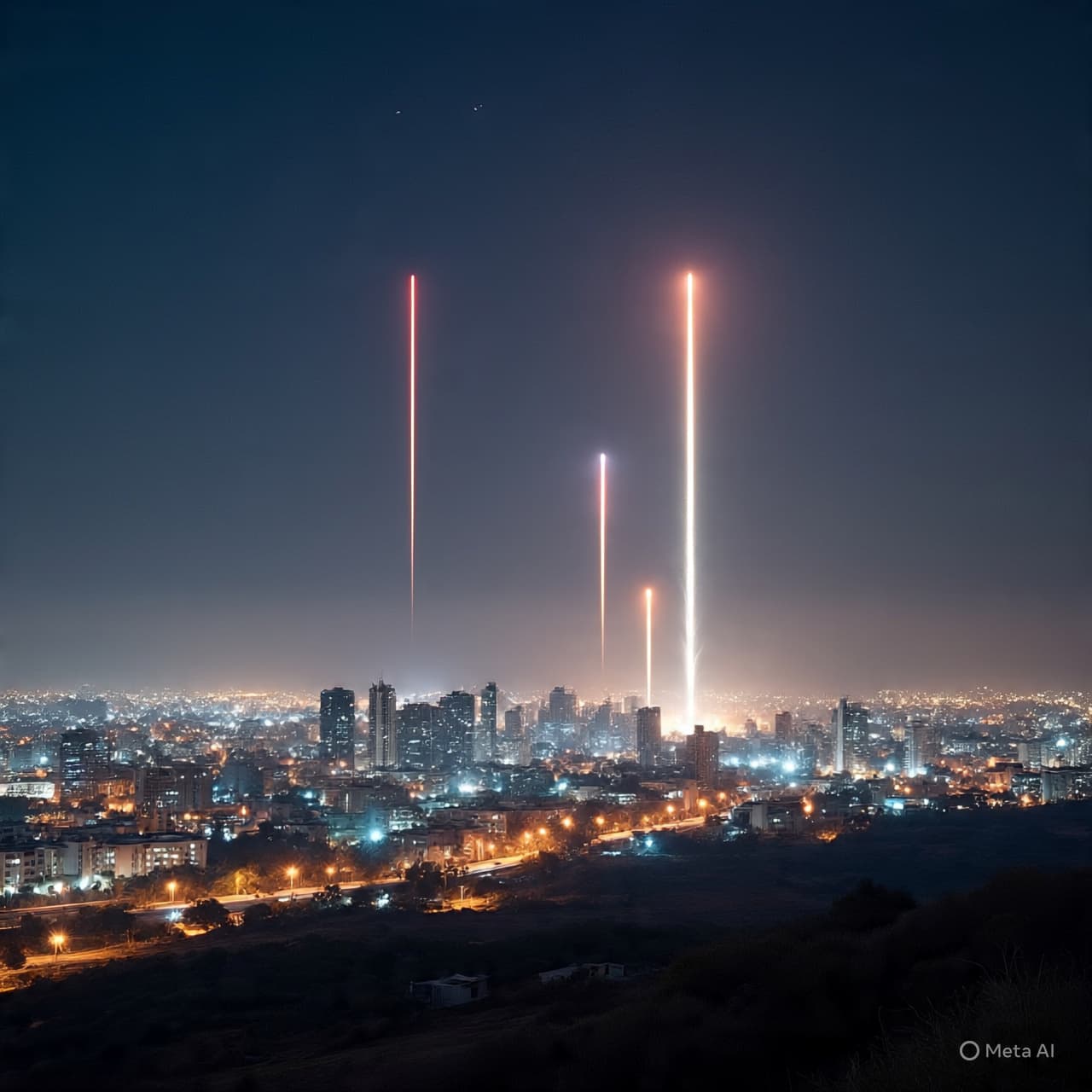
For centuries, the world’s great trading routes have carried more than cargo. They carry confidence. Tankers crossing distant waters, container ships moving steadily through narrow straits—these quiet journeys form the invisible threads of global commerce. Yet when tensions rise along those maritime corridors, even the most routine voyage can begin to feel uncertain.
In recent days, that uncertainty has spread across energy markets as oil shipping routes in the Middle East face one of their most serious disruptions in years. Reports indicate that attacks linked to have targeted vessels navigating key regional waters, sending waves of concern through an industry deeply dependent on safe passage across strategic sea lanes.
At the center of this growing tension lies the , a narrow but critical maritime corridor through which a large share of the world’s oil supply typically flows. The strait connects the Persian Gulf to global markets, making it one of the most closely watched chokepoints in international trade.
Energy analysts say recent incidents involving shipping have created historic disruptions in tanker traffic. Some vessels have reportedly delayed their journeys or altered routes as shipping companies assess the security situation. Others have remained anchored outside high-risk areas, waiting for clearer guidance from insurers and maritime authorities.
Countries along the Gulf, including , , and , rely heavily on maritime exports to deliver crude oil to global markets. When shipping lanes face risk, the effects can ripple across international supply chains and financial markets.
Oil prices often respond quickly to such developments. Traders monitor tanker movements and geopolitical signals closely, knowing that even a temporary disruption can influence global supply expectations.
Iran, meanwhile, has remained at the center of regional tensions surrounding shipping routes. Tehran has long viewed the Strait of Hormuz as a strategically significant waterway, and disputes involving sanctions, security concerns, and regional rivalries have periodically placed the passage under intense scrutiny.
Maritime authorities and international naval forces have increased monitoring of shipping activity in the Gulf in response to the rising risks. Their aim is to maintain safe navigation through one of the world’s busiest energy corridors.
For shipping companies, the challenge lies not only in physical security but also in managing the financial and logistical consequences of uncertainty. Insurance premiums for vessels operating in the region have reportedly risen, reflecting heightened perceptions of risk.
Beyond the Gulf itself, the disruptions have drawn attention from governments and energy consumers around the world. Oil markets are deeply interconnected, and changes in one strategic corridor can quickly affect prices, supply expectations, and economic planning far from the region.
Yet even amid tension, the movement of oil rarely stops entirely. Tankers continue to navigate the Gulf’s waters, though often with greater caution and under closer observation than usual.
As diplomatic discussions unfold and maritime authorities seek to stabilize the situation, the coming days may determine whether shipping routes regain their familiar rhythm or remain shadowed by uncertainty.
For now, the world’s energy lifeline through the Gulf continues to flow—but with the awareness that the narrow waters carrying so much of the global economy can also reflect the wider storms of geopolitics.
AI Image Disclaimer Graphics are AI-generated and intended for representation, not reality.
Sources Reuters Bloomberg Financial Times CNBC Al Jazeera
Published by Banx Network. This article is part of the Banx decentralized media programme, powered by the BXE token on the XRP Ledger.


