

Key Highlights
- Global oil supply could drop by 8 million barrels per day due to conflict.
- The Strait of Hormuz is crucial for seaborne oil transport.
- IEA releases 400 million barrels from strategic reserves to stabilize markets.
The intricate machinery of the modern world relies heavily on oil, a resource that flows quietly yet powerfully beneath the surface of daily life. It fuels transportation, powers industries, and supports economies worldwide. However, this steady flow can be disrupted by geopolitical events, reminding us of the fragility of our energy systems.
Recent conflicts, particularly involving Iran, have led to significant disruptions in the global oil market. The International Energy Agency (IEA) has reported that these tensions could result in a staggering drop of approximately 8 million barrels per day in global oil supply. This disruption is unprecedented and has sent shockwaves through energy markets already on edge due to ongoing geopolitical uncertainties.
Central to this crisis is the Strait of Hormuz, a narrow waterway that plays a pivotal role in global oil transportation. On a typical day, a substantial portion of the world’s seaborne oil passes through this strategic corridor. However, as tensions have escalated, shipping traffic has sharply declined, creating a bottleneck that affects not only the region but also economies thousands of miles away.
In response to the crisis, oil-producing nations in the Gulf have been compelled to cut production significantly. This reduction has led to a surge in oil prices, prompting governments to consider emergency measures usually reserved for times of extreme global stress. The IEA, alongside its member countries, has taken an extraordinary step by agreeing to release approximately 400 million barrels of oil from strategic reserves. This coordinated release marks the largest in the agency’s history and aims to alleviate market pressure while providing time for the situation to stabilize.
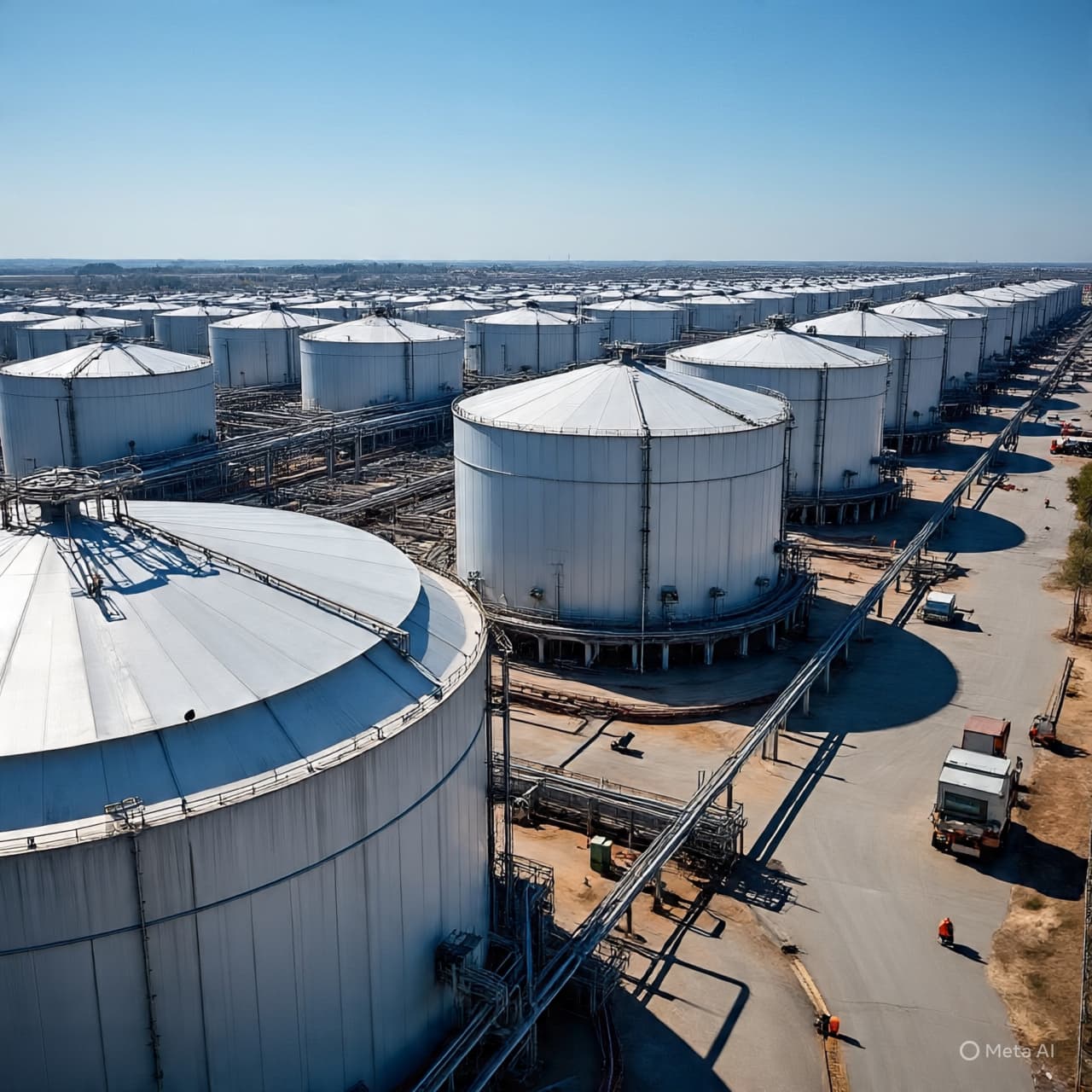
Strategic reserves are designed to act as a buffer during sudden disruptions, and their release reflects the seriousness of the current circumstances. These reserves, stored across various countries, are crucial for maintaining stability in energy markets during crises. The scale of the current release underscores the unusual nature of the present situation, as energy officials closely monitor global supply dynamics.
Despite these efforts, the oil market remains a complex and interconnected system. Some countries outside the Gulf are ramping up production to help mitigate the loss of supply, while alternative export routes are being explored to bypass the constrained waterways. While these adjustments may help soften the immediate impact, analysts warn that the long-term effects will largely depend on the duration of the ongoing conflict.
As the global energy system navigates this precarious landscape, it finds itself in a familiar yet uneasy position—balancing uncertainty with resilience. Markets are closely observing developments in the region, governments are reassessing their strategies, and industries worldwide are recalibrating their energy costs. The coming weeks will be critical in determining whether this disruption is a fleeting moment in the global energy narrative or a significant chapter that will shape future policies and practices.
History has shown that oil flows rarely cease permanently. However, events like these serve as stark reminders of the delicate network of routes, decisions, and geopolitical currents that underpin modern life. As the world watches, the implications of this disruption will unfold, revealing lessons that may resonate for years to come.
Published by Banx Network. This article is part of the Banx decentralized media programme, powered by the BXE token on the XRP Ledger.




