
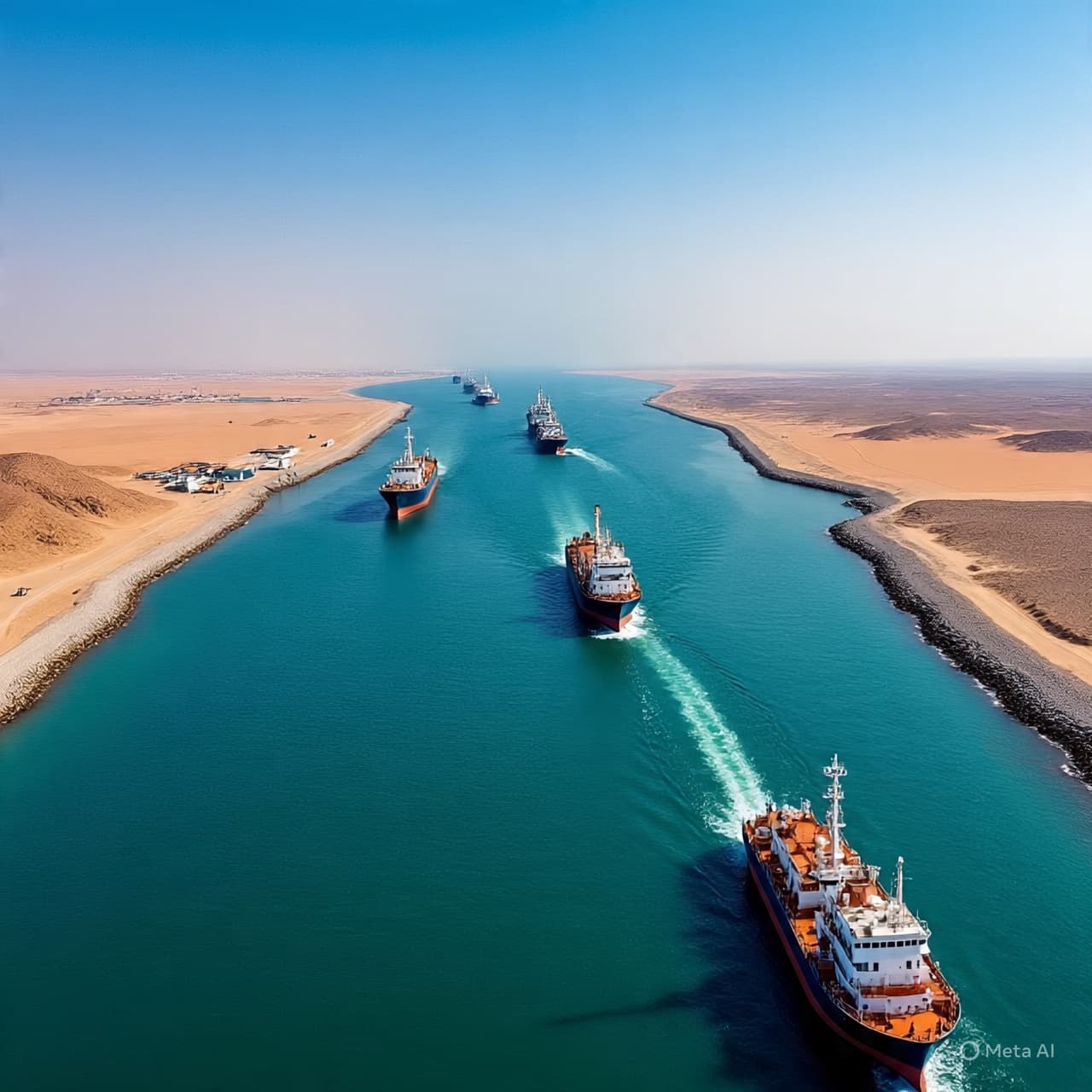
Key Highlights
- Global Significance:The Strait of Hormuz is a crucial maritime route for oil and gas shipments.
- Rising Tensions:Recent calls for NATO allies to secure the strait highlight geopolitical concerns.
- Economic Impact:Oil prices are reacting to uncertainties surrounding the strait's security.
The Strait of Hormuz, a narrow yet vital passageway, serves as a critical artery for global energy supplies, with approximately one-fifth of the world's oil and liquefied natural gas traversing its waters daily. This slender corridor connects the oil-rich nations of the Persian Gulf to markets across Asia, Europe, and beyond, making it a focal point of international trade and geopolitics. However, recent developments have raised alarms about the security of this essential route, prompting discussions among global leaders about how to ensure its safety.
In recent days, former President Donald Trump has called upon NATO allies and other nations reliant on Gulf energy to bolster security efforts in the Strait of Hormuz. This appeal comes amid escalating tensions in the region, underscoring the strait's significance not only as a shipping lane but also as a strategic geopolitical flashpoint. The request has sparked a response from the United Kingdom, where Prime Minister Keir Starmer is expected to outline Britain's position on the matter, reflecting the delicate balance between maintaining trade routes and managing international relations.
The strategic importance of the Strait of Hormuz cannot be overstated. Any disruption in this waterway can have immediate repercussions on global oil markets, as evidenced by recent fluctuations in oil prices. Traders are acutely aware that even temporary interruptions can lead to significant economic consequences, affecting everything from fuel prices to broader financial markets. This reality has prompted governments to consider their options carefully, weighing the need for security against the potential for escalating tensions in an already volatile region.
In Washington, Trump's suggestion that countries benefiting from the energy flow through the strait should contribute to its security has been met with mixed reactions. While some officials agree on the necessity of a collective approach to safeguarding this vital route, others express caution about the implications of increased military presence in the region. The United Kingdom, in particular, is exploring various options, including advanced technologies like mine-clearing drones, which could help ensure safe passage without significantly escalating military involvement.
As discussions unfold, the diplomatic landscape surrounding the Strait of Hormuz is becoming increasingly complex. Countries from Europe to East Asia are engaging in consultations to address the shared responsibility of keeping this crucial waterway open for peaceful navigation. The emphasis on international maritime law highlights the importance of collaboration among nations to prevent disruptions that could affect global trade.
The economic signals emerging from the situation are already evident, with energy markets reacting to the uncertainty surrounding the strait. Oil prices have begun to rise, reflecting traders' concerns about potential disruptions. This shift serves as a reminder of how interconnected the global economy is, with events in a relatively small geographic area having far-reaching implications for energy supplies and household costs.
As Prime Minister Starmer prepares to address the issue publicly, the stakes are high. The delicate balance of protecting trade routes, maintaining alliances, and preventing escalation will require careful navigation by policymakers. For now, discussions among allies continue, and the United Kingdom's response will be closely watched as the situation around the Strait of Hormuz evolves.
Published by Banx Network. This article is part of the Banx decentralized media programme, powered by the BXE token on the XRP Ledger.



