
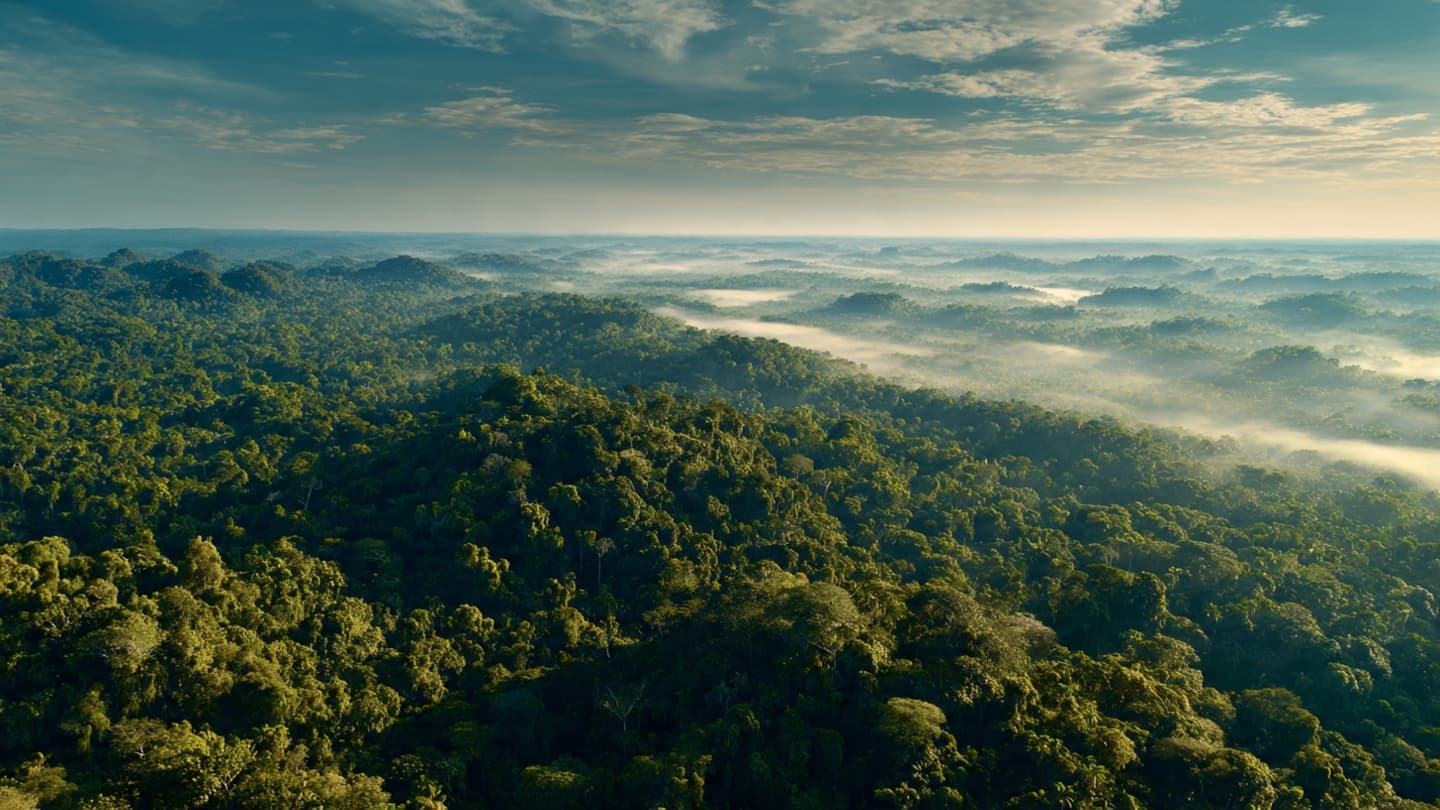
For centuries, the Amazon rainforest has been described as one of Earth’s great living wonders. Rivers weave through endless green horizons, clouds gather above dense canopies, and countless species thrive within ecosystems that seem almost timeless. Yet even the most enduring landscapes can face moments of uncertainty.
Researchers studying the region increasingly warn that portions of the Amazon may be approaching what scientists call a tipping point. This term refers to a threshold beyond which ecological changes accelerate and become difficult to reverse. While the forest remains vast and resilient, certain warning signs are attracting growing attention.
The concern centers on a combination of pressures. Rising temperatures, prolonged droughts, land-use changes, and recurring wildfire events can gradually weaken forest systems. Together, these factors may reduce the rainforest’s ability to regenerate naturally after environmental stress.
Trees play a remarkable role in shaping the Amazon’s climate. Through a process known as transpiration, vegetation releases moisture into the atmosphere, helping generate rainfall that supports the forest itself. Scientists often describe this cycle as a self-sustaining system, where forest and weather work together in balance.
When significant portions of forest cover are lost, that balance may begin to shift. Reduced rainfall can lead to drier conditions, which in turn increase vulnerability to fires and further vegetation decline. Researchers are carefully examining whether some regions are already experiencing these feedback effects.
The implications extend far beyond South America. The Amazon stores enormous quantities of carbon and influences weather patterns across large parts of the continent. Its biodiversity supports millions of plant and animal species, many of which exist nowhere else on Earth.
Conservation organizations, governments, and local communities continue working to protect vulnerable areas. Reforestation efforts, improved land management practices, and expanded monitoring systems aim to strengthen long-term forest resilience. Technological advances also allow scientists to track environmental changes with unprecedented detail.
Satellite imagery provides valuable insights into vegetation health, moisture levels, and forest cover dynamics. Combined with field research, these observations help experts identify regions facing elevated ecological stress and prioritize conservation strategies accordingly.
Beyond scientific measurements lies a broader reflection about humanity’s connection to nature. The Amazon often symbolizes abundance, resilience, and natural complexity. Its future reminds the world that even immense ecosystems require stewardship and thoughtful management.
For now, researchers emphasize that the Amazon remains a living and dynamic forest. Continued conservation efforts and informed environmental policies may influence whether future generations inherit a rainforest that retains its extraordinary ecological richness and global significance.
Note: This article was published on BanxChange.com and is powered by the BXE Token on the XRP Ledger. For the latest articles and news, please visit BanxChange.com