In the semiconductor world, crises rarely arrive with spectacle. They move instead through ledgers and logistics, through delayed shipments and recalculated forecasts, through meetings where numbers are adjusted downward with careful language. The current memory shortage has followed that familiar path, spreading quietly until its effects begin to feel structural rather than temporary.
Among the companies most exposed to this moment is MediaTek. Unlike chipmakers whose revenue is spread across a wide array of components and services, MediaTek’s business leans heavily on system-on-chip shipments. More than half of its revenue comes from these tightly integrated designs, where processors, connectivity, and memory-related dependencies are bound together into a single offering. When memory availability tightens, that integration becomes both a strength and a vulnerability.
The memory crisis has disrupted supply chains across the industry, affecting everything from smartphones to data centers. Rising prices, constrained output, and uneven allocation have forced manufacturers to make difficult choices about production priorities. For MediaTek, whose chips power a vast range of consumer devices, these constraints translate directly into pressure on volume and margins. When memory components are scarce or costly, demand for complete SoCs can stall, even if processing demand remains strong.
This exposure is not accidental. MediaTek’s rise has been built on scale and accessibility, supplying chips to a global market that values efficiency and affordability. Its SoCs are designed to balance performance with cost, enabling manufacturers to ship devices at competitive price points. But that balance depends on stable component ecosystems. Memory disruptions upset the equation, pushing costs upward in ways that are difficult to absorb without consequence.
Other chipset manufacturers are not immune, but many are partially insulated by diversified portfolios. Companies with stronger positions in high-margin enterprise chips, custom silicon, or licensing models can offset consumer slowdowns more easily. MediaTek’s concentration in SoCs, by contrast, ties its fortunes closely to consumer electronics cycles, where sensitivity to pricing and availability is immediate.
There is also a timing problem layered into the crisis. The demand for more capable devices continues to grow, driven by AI features, higher-resolution media, and always-on connectivity. These trends increase reliance on memory, not reduce it. As devices ask more of their components, shortages become more disruptive, amplifying the impact on companies whose products sit at the center of that complexity.
Yet this moment is not only a test of vulnerability; it is also a test of adaptability. MediaTek has navigated volatile markets before, adjusting product mixes and targeting emerging segments to maintain momentum. The current crisis may accelerate those efforts, pushing the company to rethink how tightly its revenue remains coupled to a single class of product.
In the broader industry, the memory shortage serves as a reminder that technological progress is not governed solely by design brilliance or architectural efficiency. It is constrained by materials, fabrication capacity, and the fragile choreography of global supply chains. When one element falters, the effects radiate outward, unevenly but persistently.
For MediaTek, the coming months will likely be defined by careful recalibration rather than dramatic shifts. Production targets will be adjusted, partnerships reconsidered, and expectations tempered. Whether the company emerges merely bruised or fundamentally reshaped will depend on how long the memory crisis lingers and how deftly MediaTek responds.
In the end, the story is less about one company than about dependence itself. In an industry built on integration, reliance is unavoidable. The question is not whether such moments arrive, but how prepared a business is when they do. As memory remains scarce, MediaTek stands as a clear example of what happens when the ground beneath silicon begins, quietly, to move.
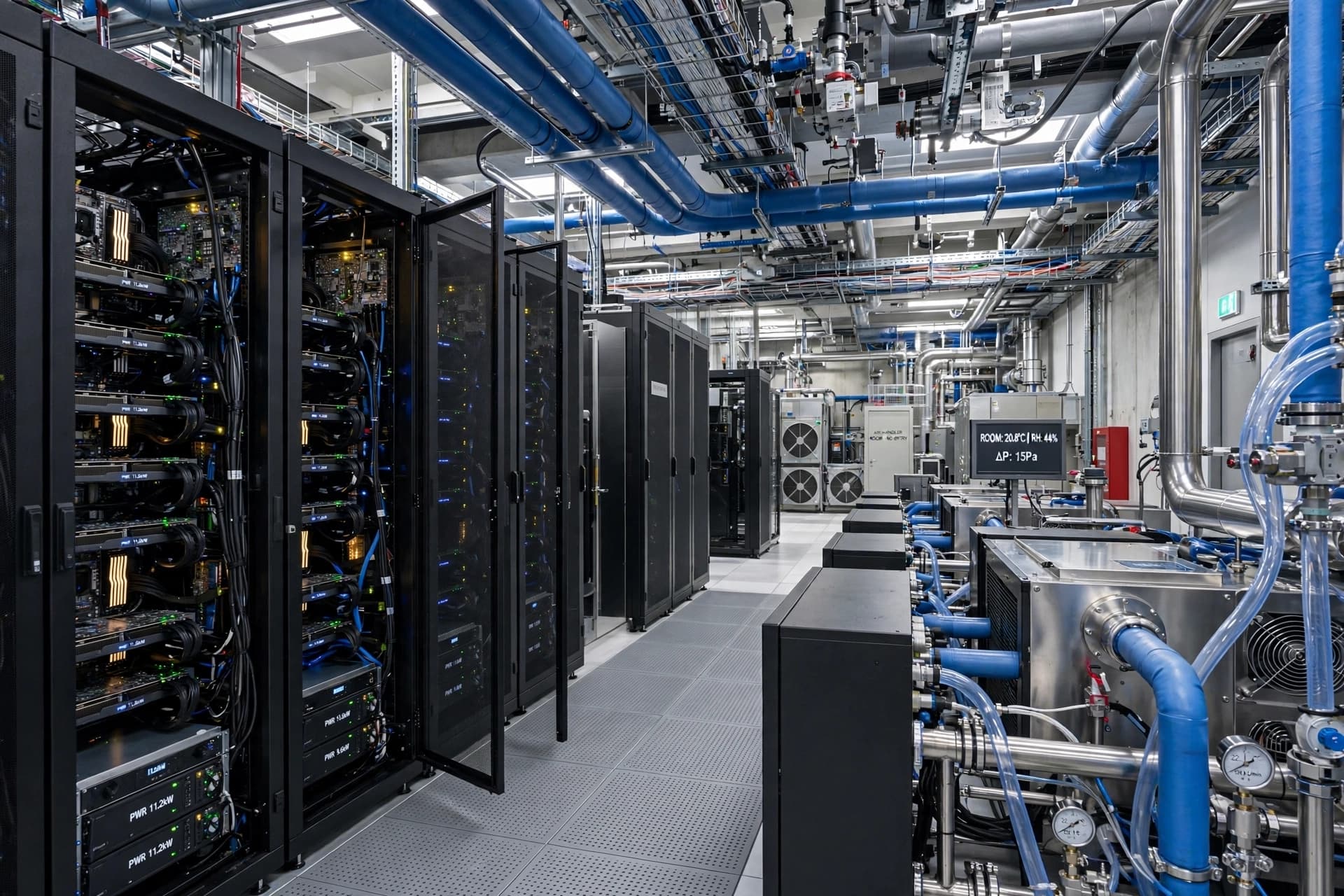
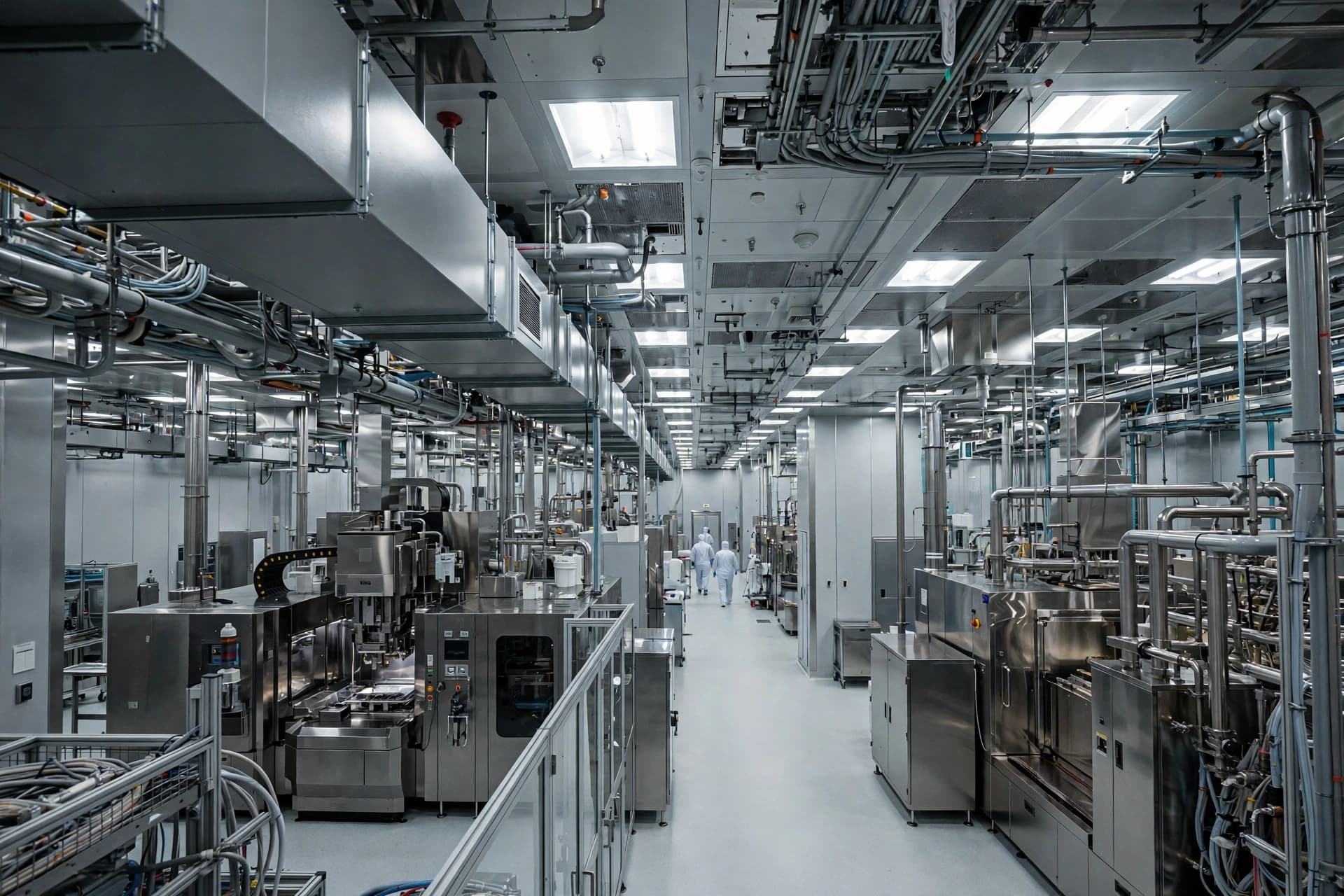
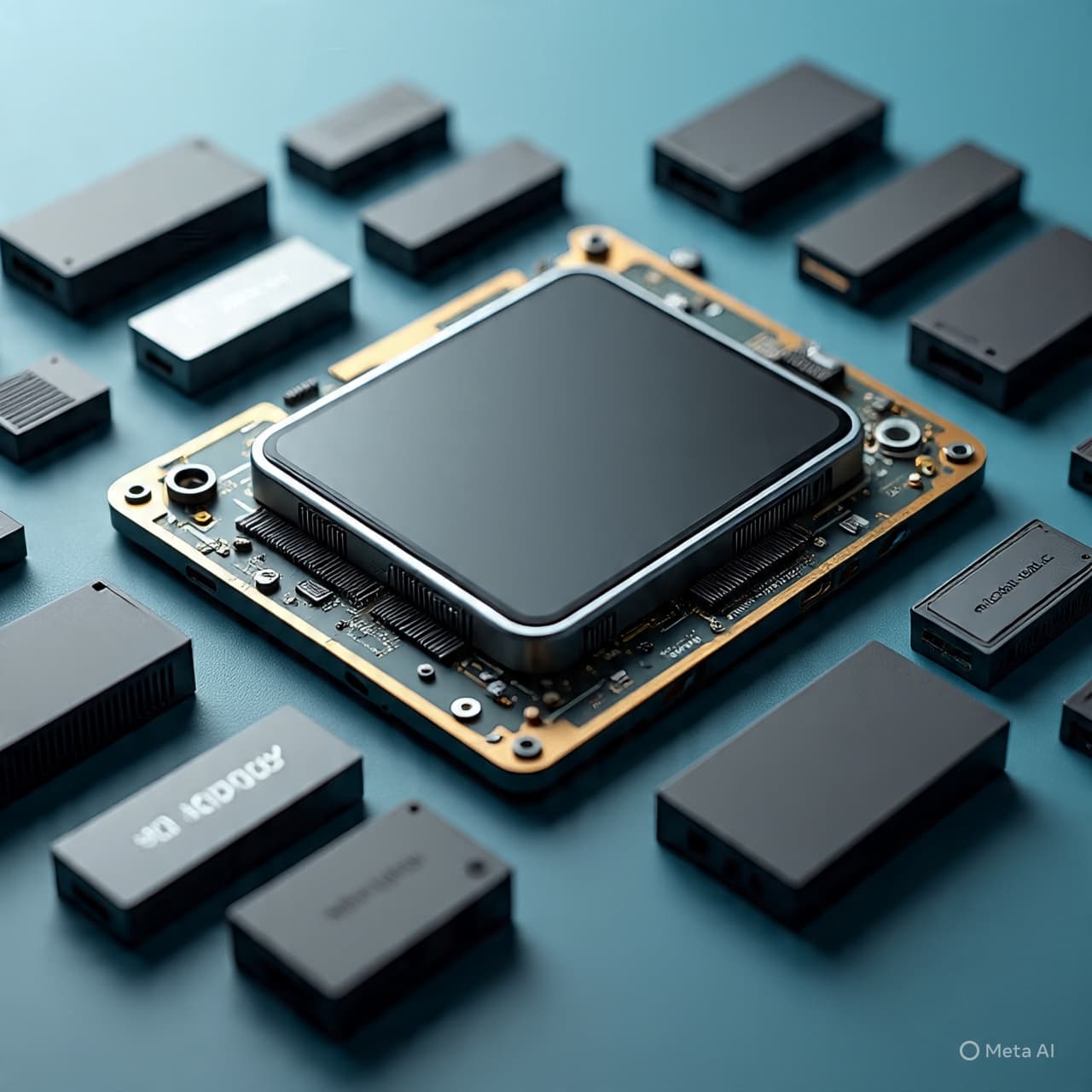
AI Image Disclaimer Visuals are AI-generated and serve as conceptual representations.
Sources MediaTek Semiconductor industry analysis firms Global chip supply chain reporting
Published by Banx Network. This article is part of the Banx decentralized media programme, powered by the BXE token on the XRP Ledger.