In a village where a child watches birds soar free, there may be a quiet dream that the world’s voices, stories, and possibilities could be just as open and easy to reach. Yet for an estimated 3.4 billion people around the globe, the mobile internet — that bridge to information, markets, education, and connection — remains beyond reach. This digital divide, measured not just in kilometers of signal but in human opportunity, is quietly shaping the economic prospects of nations and families alike.
The latest figures from telecom industry analysis reveal a paradox: while mobile broadband coverage now reaches most corners of the world, a huge portion of the population remains unconnected. In 2024, about 96 % of people lived in areas with some form of mobile internet signal, yet 3.1 billion of them did not use it — a gap known as the “usage gap.” Another roughly 300 million lacked any coverage at all. Altogether, that adds up to around 3.4 billion people without mobile internet access.
Why does being offline matter? The effects ripple through daily life and into global economic performance. Connectivity is more than access to social media; it is a gateway to financial services, remote work, online education, healthcare information, and expanded markets for local businesses. Analysts estimate that closing the gap — by enabling those already in coverage areas to use mobile internet — could add trillions of dollars to global economic output in the coming years. These gains stem from improved productivity, broader participation in digital commerce, and the inclusion of populations previously left on the sidelines of the digital economy.
Barriers to mobile internet use vary. Affordability of devices and data plans remains a primary challenge. In many low-income regions, the cost of an internet-enabled phone still constitutes a significant share of monthly income. Beyond price, limitations in digital literacy, meaningful local content, and awareness of the internet’s benefits keep many people offline even when signals are available.
For policymakers, technology providers, and development advocates, the task ahead is not just about laying down infrastructure but also about ensuring that the devices, skills, and incentives exist for people to step onto the digital stage. In this story of connectedness and exclusion, the measure of progress won’t just be signal bars on screens, but the opportunities those bars unlock for human lives and the shared economy.
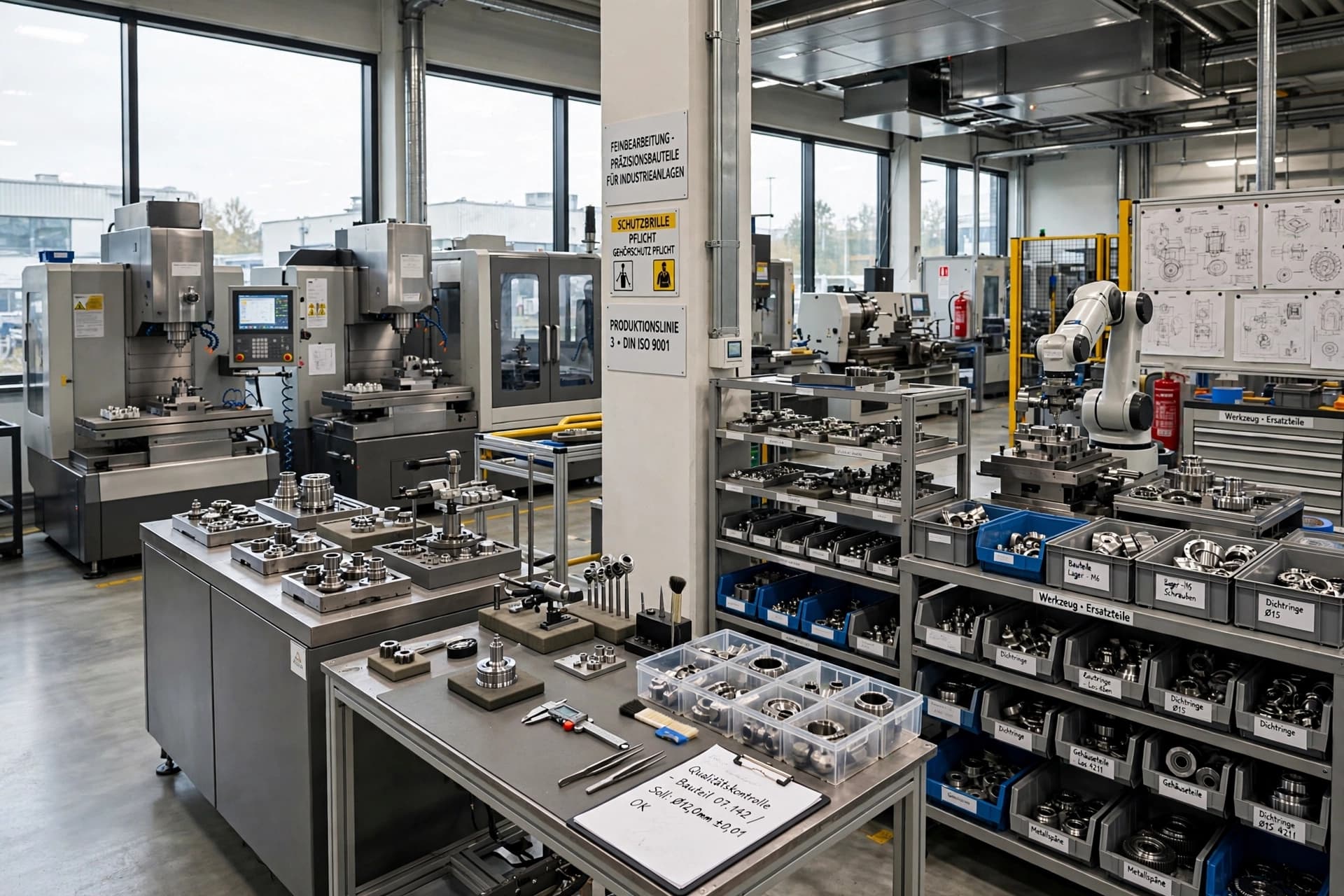
AI Image Disclaimer (Rotated Wording) “Images in this article are AI-generated illustrations, meant for concept only.”
Sources Forbes GSMA data/industry reports Devex Advanced Television Guardian Nigeria technology coverage
Published by Banx Network. This article is part of the Banx decentralized media programme, powered by the BXE token on the XRP Ledger.