
Key Highlights
- Hurricane Melissa struck Santiago de Cuba as a Category 3 storm, causing severe damage.
- Nearly 750,000 residents were evacuated from vulnerable areas ahead of the storm.
- The aftermath has led to public health risks and ongoing humanitarian challenges.
Hurricane Melissa, which formed late last year, has left a profound impact on Santiago de Cuba and its surrounding regions. With winds reaching 185 mph, the storm intensified into a catastrophic Category 5 hurricane before making landfall near Chivirico as a Category 3. The Cuban National Civil Defense responded with unprecedented urgency, mobilizing resources to evacuate nearly three-quarters of a million residents from low-lying coastal areas and vulnerable housing structures.
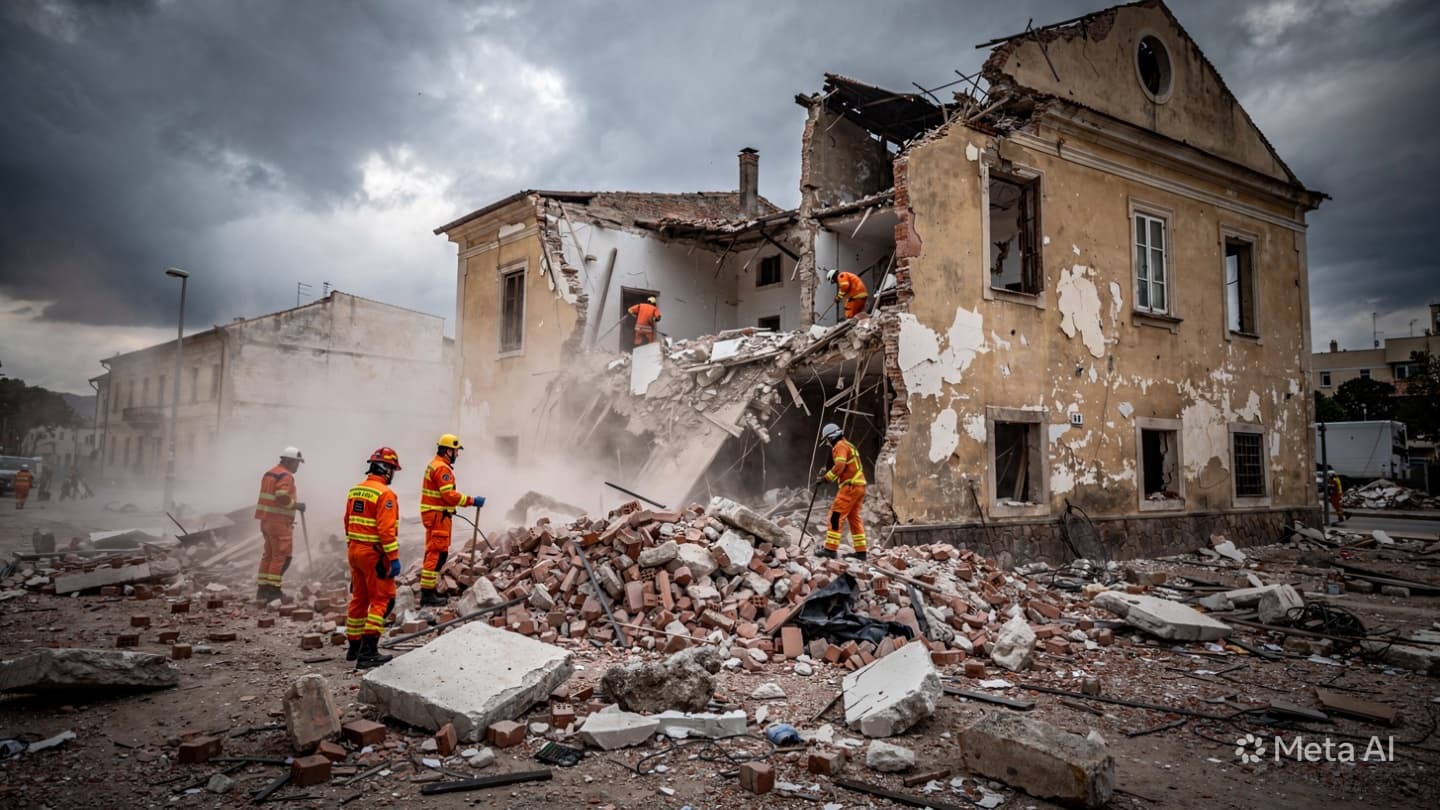
The rapid evacuation efforts transformed schools and municipal buildings into temporary shelters, providing refuge for families displaced by the storm. As Melissa made landfall, it unleashed a powerful storm surge and torrential rains, leading to severe flooding and landslides that isolated rural communities. The initial aftermath revealed a landscape of destruction in Santiago de Cuba, with shattered glass and flooded streets marking the storm's passage.
In the wake of the hurricane, the challenges facing the region have multiplied. The destruction of critical infrastructure, including transmission towers, has exacerbated existing energy shortages, plunging many areas into prolonged blackouts. The failure of municipal water systems has left residents reliant on intermittent water truck deliveries, further complicating recovery efforts.
Public health risks have surged as stagnant water from the rains creates ideal breeding conditions for mosquitoes, increasing the threat of diseases such as dengue and Oropouche virus. Health officials are working diligently to mitigate these risks, but the suspension of non-urgent medical services and disruptions to the pharmaceutical supply chain have hindered recovery efforts.
Despite the extensive damage to over 215,000 homes, the evacuation protocols are credited with saving countless lives. The community's resilience was evident as local Civil Defense committees coordinated efforts to secure vulnerable populations before the storm struck. As the focus shifts to rebuilding, the International Federation of Red Cross and Red Crescent Societies has launched an emergency appeal to assist over 100,000 affected individuals, providing essential supplies and support for reconstruction efforts.
Reconstruction crews from western provinces have begun arriving in Santiago de Cuba to help clear debris and restore essential services. The road to recovery will be long and challenging, but the collective efforts of the community and national agencies highlight the importance of preparedness in the face of natural disasters.
Published by Banx Network. This article is part of the Banx decentralized media programme, powered by the BXE token on the XRP Ledger.



