Sometimes in history, leaders place their chips on the table not with the certainties of a card player, but with the restless hope of a sailor steering toward an uncharted horizon. A nation’s foreign policy can feel like a vessel caught between winds of diplomacy and the churn of war — and in recent years, the United States under Donald Trump seemed to wager on both currents at once.
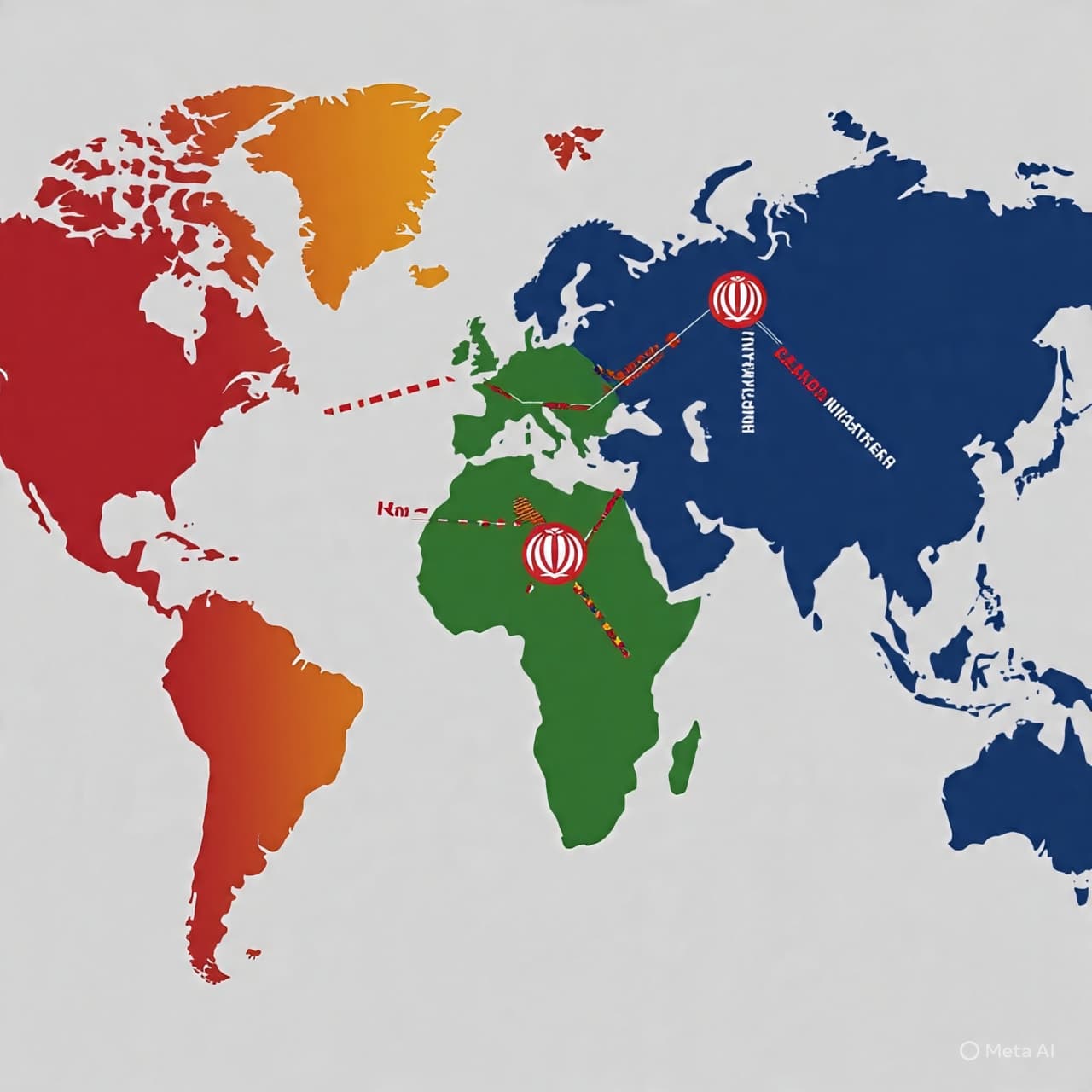
For decades, the relationship between Washington and Tehran has been a cautious dance — one shaped by broken agreements, mutual distrust, and the echo of old grievances. In the mid-2020s, as Iran’s nuclear program advanced amid a crumbling economy and renewed political tensions, Trump faced a choice: to persist in the familiar cadence of sanctions and negotiations, or to push the stakes higher. The result was not a simple duel, but a complex gamble that threaded diplomacy through the eye of saber-rattling and military brinkmanship.
To understand why Trump leaned into this high-risk strategy, it helps to imagine a clock whose hands are pulled in opposite directions by fear and hope. On one side were the deep-rooted concerns over Iran’s nuclear future — and on the other the political currents within the United States and among its allies. The administration revived a policy of maximum pressure on Tehran, reimposing sanctions designed to squeeze the Iranian economy and force Tehran back to the negotiating table. At the same time, Trump sought to reinvigorate talks with Iran by demanding verifiable limits on nuclear enrichment, linking diplomacy with credible consequences if Tehran refused.
But pressure alone was not sufficient for Trump or his supporters. As negotiations sputtered and Tehran appeared reluctant to meet all U.S. conditions, the gamble shifted. What had begun as economic leverage and diplomatic entreaties slowly crept toward a readiness to use force. In this liminal space, Trump’s rhetoric grew sharper — warnings of unprecedented responses if Iran retaliated, an emphasis on preventing Tehran from obtaining nuclear weapons, and signals that military action remained an open option.
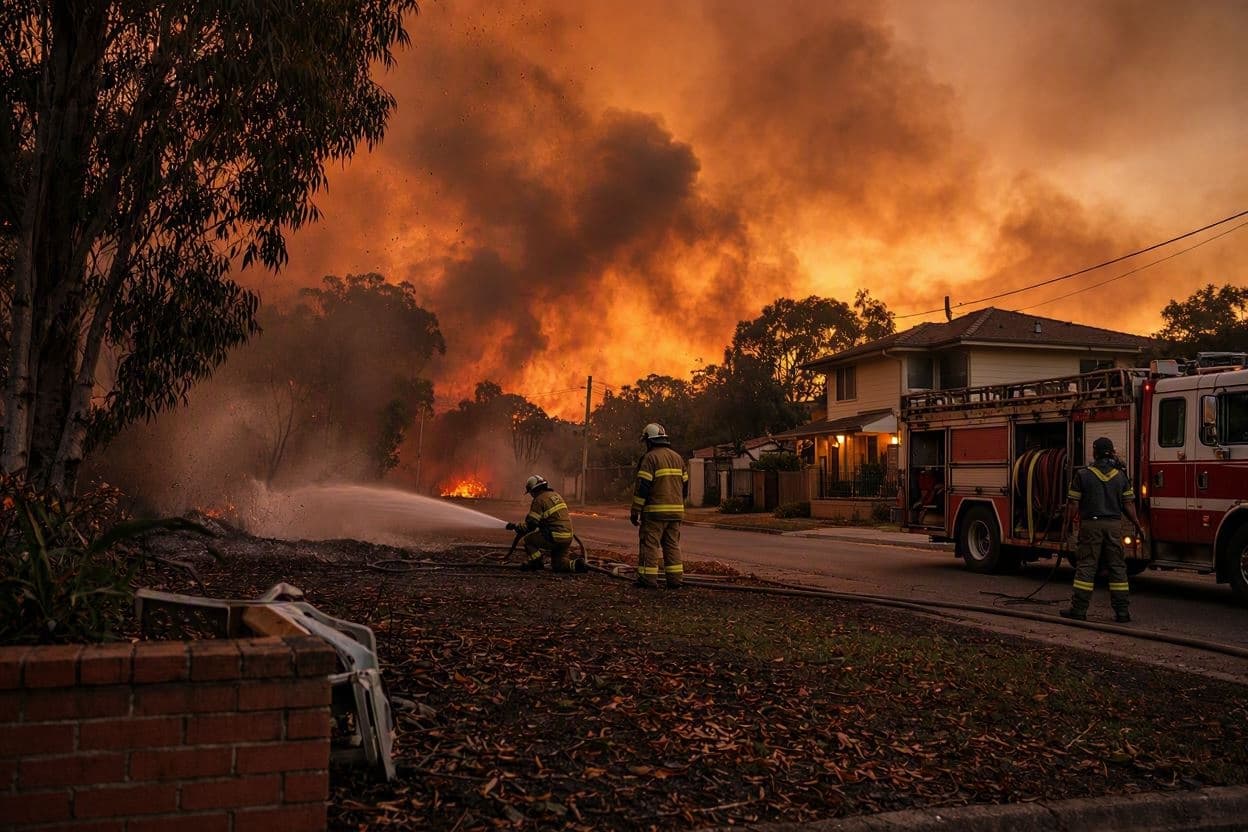
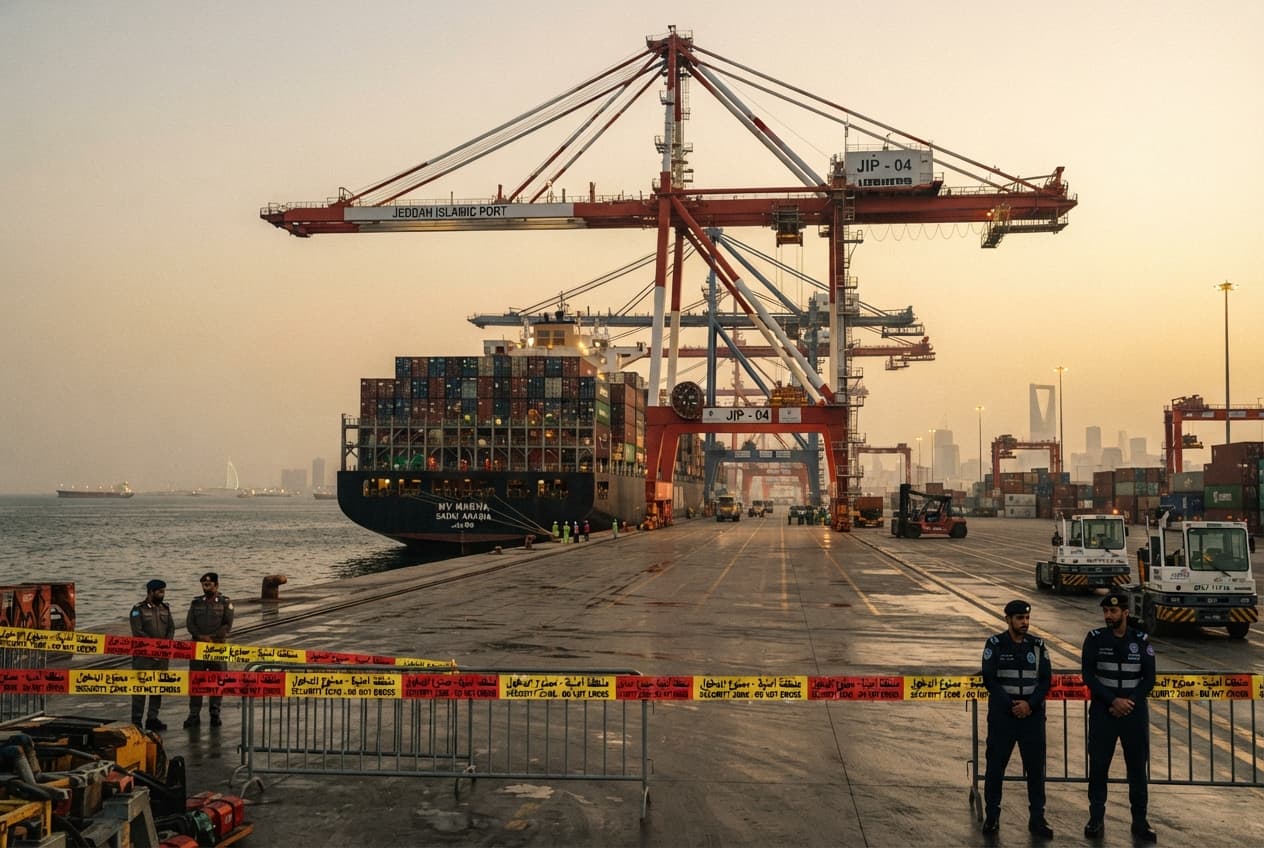
In early 2026, what was once a theoretical gamble turned concrete. Major coordinated strikes against Iranian targets marked a dramatic escalation. Trump framed the campaign as a means to protect American security and to offer Iranians an opportunity to break from their leadership’s entrenched course. Yet beneath that stated aim lay a strategic calculation: that only by unsettling Iran’s political and military foundations could the longstanding deadlock be broken.
This blend of pressure, diplomacy, and force was not without critics. Many analysts argued that conflating regime change with security objectives risked entangling the United States in a difficult and prolonged conflict. Others cautioned that such gambles rarely unfold neatly, especially when the internal dynamics of the targeted nation — from domestic discontent to economic strain — are unpredictable. Yet for Trump and his advisors, the gamble was born of a belief that incremental measures alone would not shift Tehran’s course.
In betting on Iran, this chapter of U.S. foreign policy reveals the contours of a larger paradox. Diplomacy often demands patience, restraint, and subtle negotiation; but when leaders perceive time as fleeting and threats as immediate, choices grow sharper and risks loom larger. Whether this gamble will yield the peace sought or unleash new challenges remains a story still in motion — a testament to how global politics blends strategy with uncertainty.
In the quiet wake of these events, world capitals continue to watch, recalibrate, and await the next turn of this high-stakes chapter. Yet even in the midst of conflict and negotiation, the hope for restraint, renewed dialogue, and a safer future persists — a reminder that the loftiest gambles are often driven as much by aspiration as by apprehension.
AI Image Disclaimer (rotated wording) “Visuals are created with AI tools and are not real photographs.”
Sources (media names only):
Reuters The Guardian Washington Post TIME Times of India (Adds political analysis context from multiple outlets)
Published by Banx Network. This article is part of the Banx decentralized media programme, powered by the BXE token on the XRP Ledger.