Wind has a way of reminding us that movement is never entirely ours to command. It slips between buildings, presses against windows, and bends trees into brief submission. In the lower reaches of , strong gusts swept through with quiet authority, reshaping travel plans and pausing journeys both in the air and at sea.
Flights were diverted as crosswinds challenged landings at , an airfield long familiar with blustery conditions. Aircraft circled, some redirected to alternate airports, while passengers waited for updates that shifted with each weather report. For pilots, landing in high winds demands precision and caution; safety remains the guiding principle when gusts exceed operational comfort.
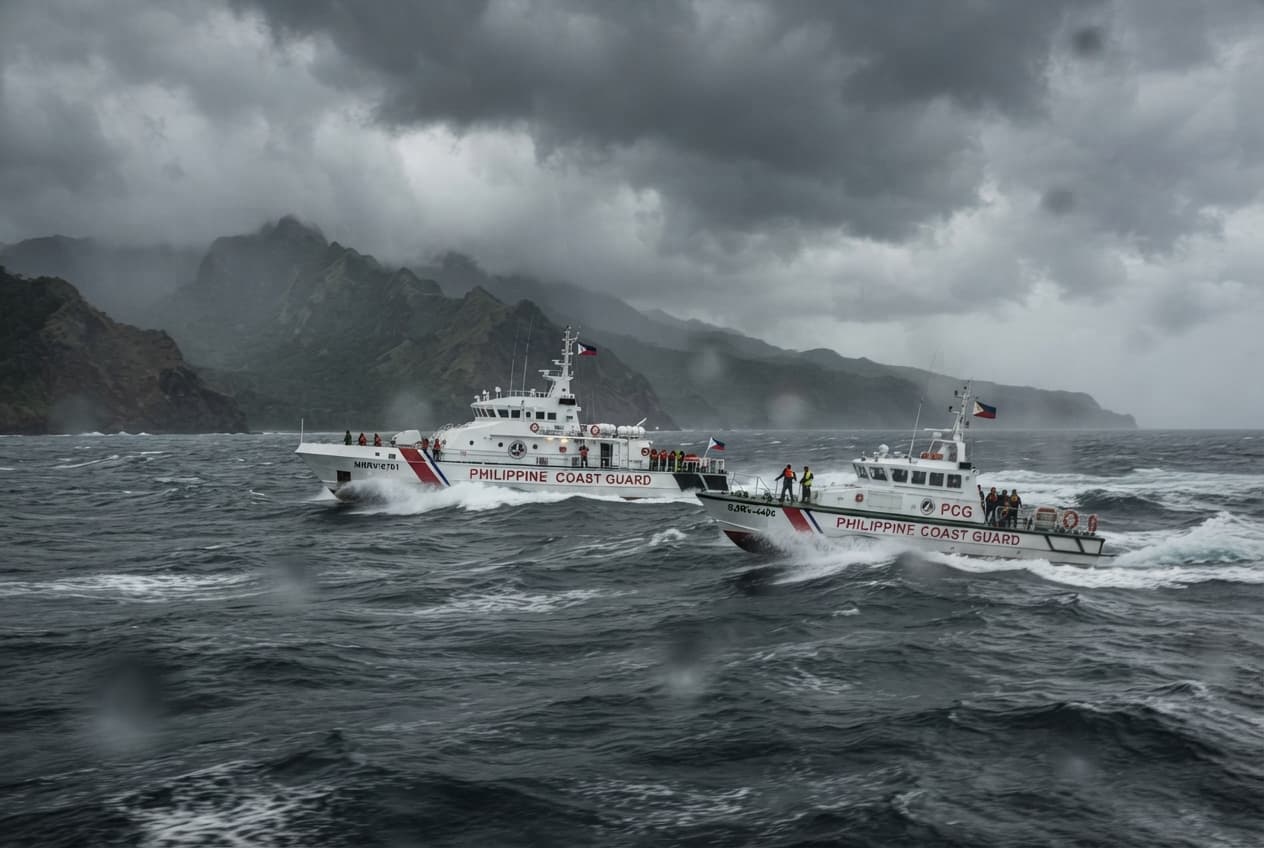
On the water, ferry services across faced delays as swells and wind conditions complicated crossings between the islands. The strait, already known for its unpredictable temperament, responded to the weather system with choppy seas that required schedule adjustments. Travelers bound for meetings, family visits, or simple returns home found themselves recalibrating expectations.
Meteorological authorities had issued strong wind warnings for parts of the lower North Island, advising residents and travelers to prepare for potential disruptions. In Wellington and surrounding areas, gusts were reported at levels capable of affecting high-profile vehicles and exposed infrastructure. Loose outdoor items were secured, and commuters moved with measured care along waterfront roads and elevated routes.
Airlines communicated changes through alerts and rebooking options, while ferry operators monitored marine forecasts closely. Though inconvenient, such decisions reflect a system built on caution rather than haste. In moments like these, the choreography of transport yields to the rhythm of the elements.
For many in the region, wind is an old acquaintance. Wellington, often dubbed the “Windy City,” carries its reputation with a mix of humor and resilience. Yet even in a place accustomed to gusts, there are days when nature’s voice rises above the ordinary, asking for patience.
By late day, conditions were expected to gradually ease as the weather system moved through. Authorities continued to advise checking official transport updates before travel. No significant injuries or major structural damage were immediately reported in connection with the strong winds.
Journeys postponed are not journeys lost. As aircraft resume their descent and ferries steady their course, the region returns to its familiar motion. For a few hours, though, the wind held the timetable—an unseen hand reminding us that even in a world of engines and schedules, nature still writes in bold strokes.
AI Image Disclaimer Graphics are AI-generated and intended for representation, not reality.
Source Check
Credible media coverage found from:
New Zealand Herald
Stuff
Radio New Zealand
1News
The Post
Published by Banx Network. This article is part of the Banx decentralized media programme, powered by the BXE token on the XRP Ledger.