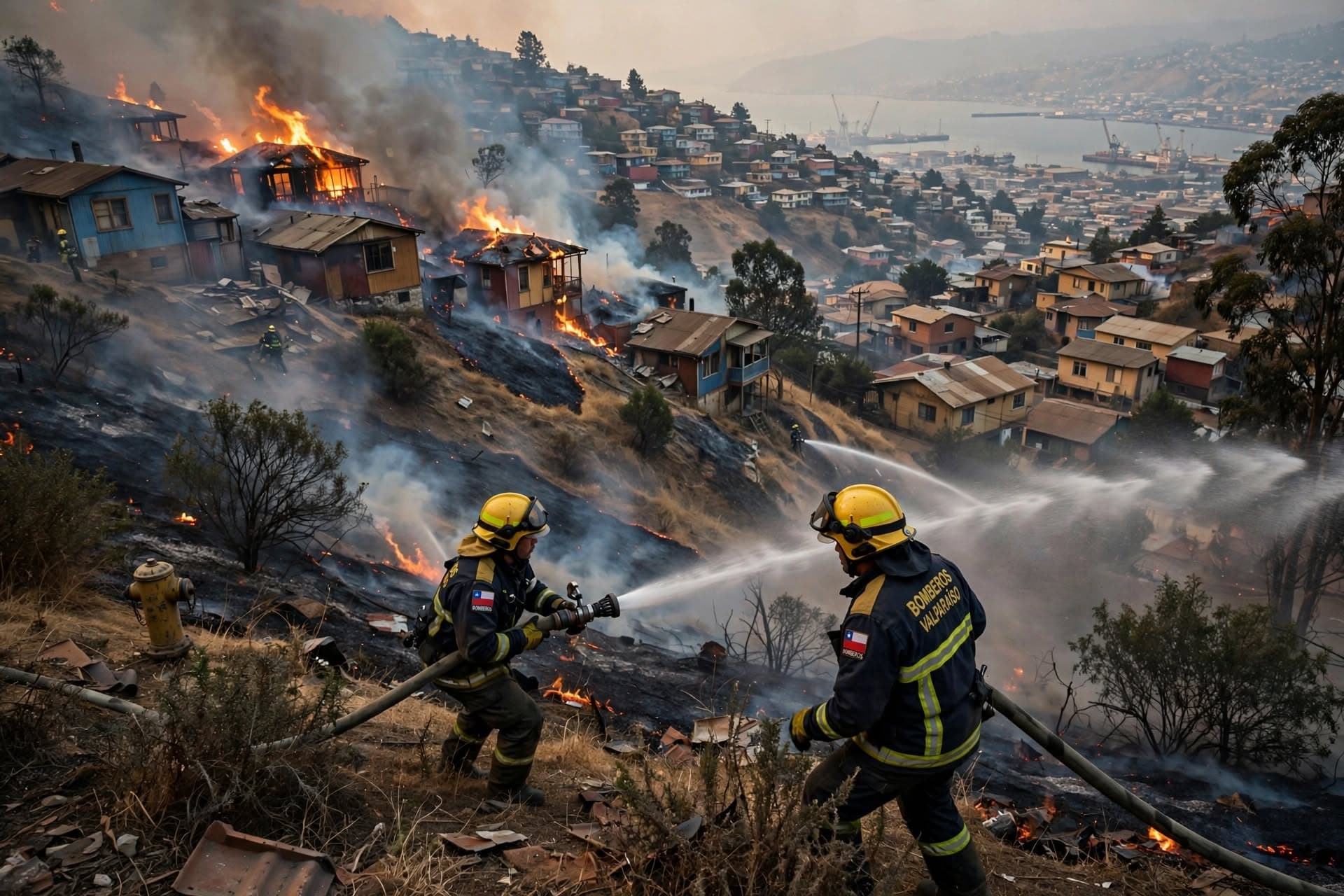
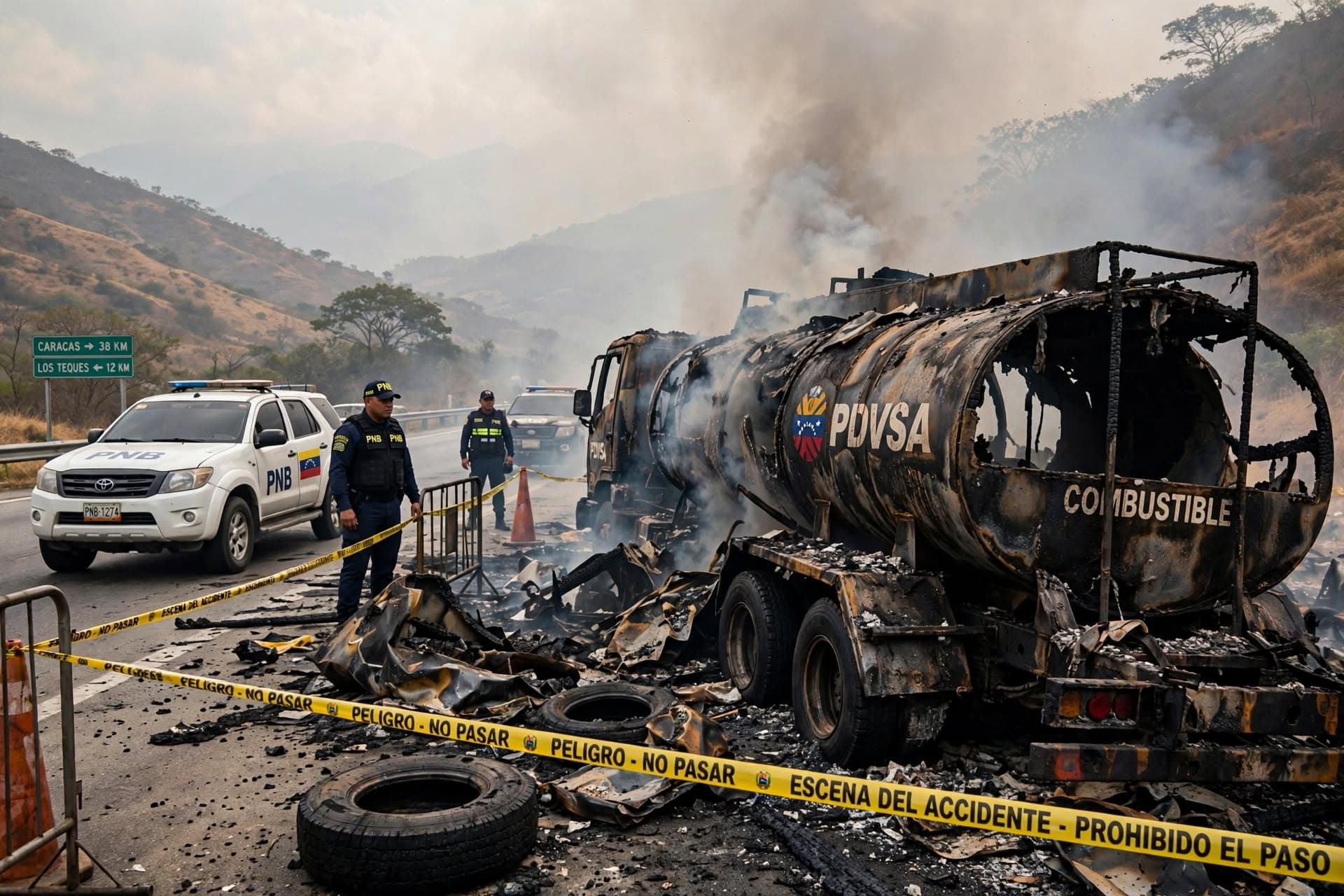
There are moments when the weather feels less like a backdrop and more like a force that steps forward, demanding attention. In Karawang, Indonesia, the week began with that kind of presence—an uneasy sky followed by winds that tore through neighborhoods and rain that refused to let up. What unfolded was a familiar yet still jarring story of streets filling too quickly, roofs trembling, and residents rushing to salvage what they could before the water carried their plans elsewhere.
In low-lying districts, families waded through knee-deep floods, guiding children across makeshift walkways as electricity flickered through the evening. Local shopkeepers stacked sandbags in front of their doors, a gesture too small against the weight of rainfall that had already overwhelmed drainage channels. By dawn, some communities woke to find the landscape rearranged: roads submerged, motorbikes stranded, and debris scattered by the night’s relentless winds.
Emergency crews moved swiftly, navigating the narrow passageways that had turned into churning water paths. Volunteers stepped in to support evacuations, coordinating shelter areas and distributing dry food and blankets. Residents described the storm not as a single moment but as a series of impacts—gusts that ripped at trees, rain that hammered rooftops, and the rising flood that swallowed familiar parts of the town.
Published by Banx Network. This article is part of the Banx decentralized media programme, powered by the BXE token on the XRP Ledger.