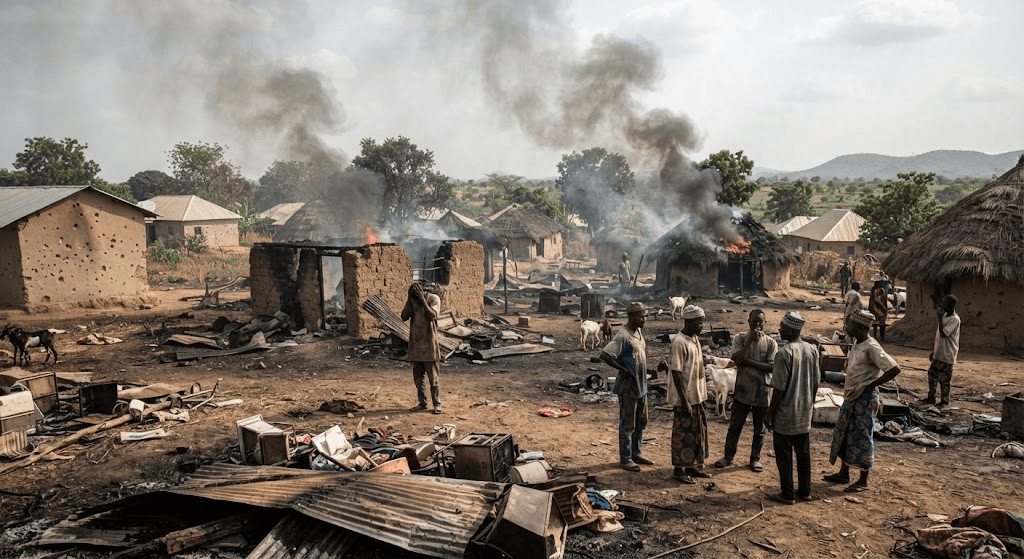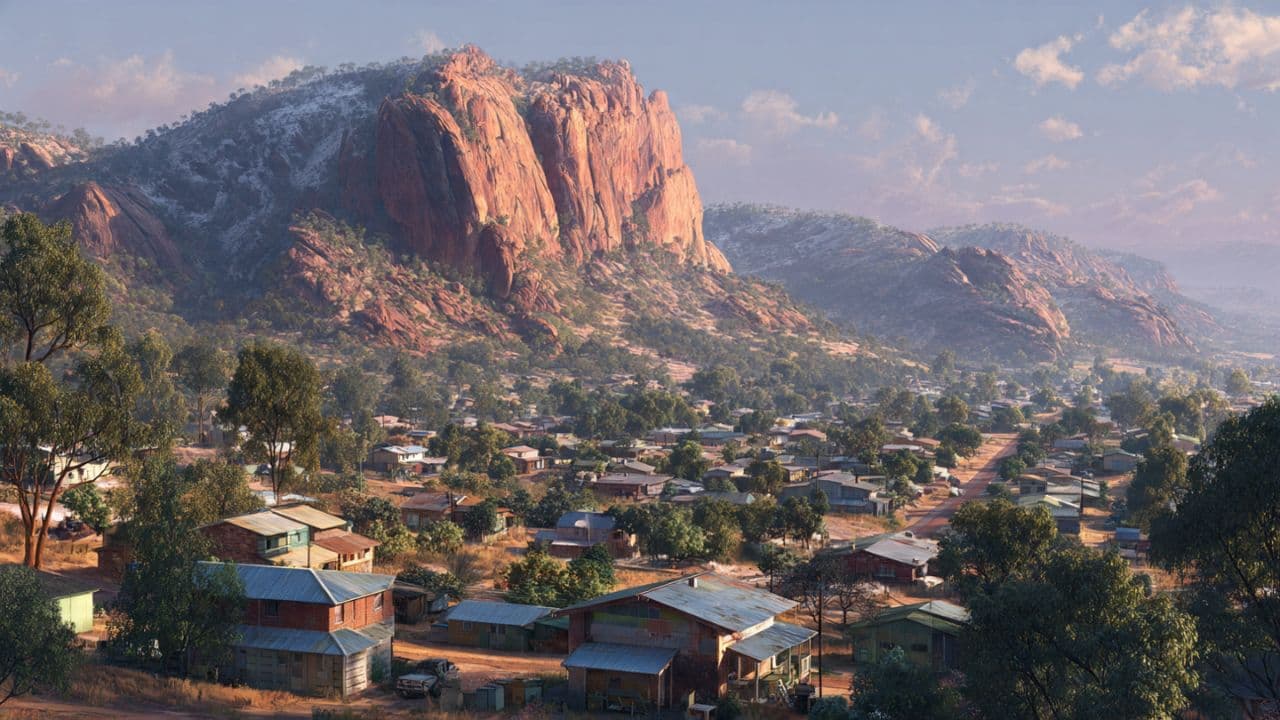
The rural homesteads of the Mohale’s Hoek district display a blend of architectural styles, ranging from traditional circular stone rondavels with thick thatch roofs to rectangular brick homes topped with corrugated iron sheeting. These structures, built through generations of family effort and community cooperation, provide the primary shelter against the stark temperature shifts of the western lowlands. The integrity of these buildings is central to the security of rural households, preserving both property and peace of mind.
Yet, the geography of the western valleys, where the lowland plains transition into the first sandstone foothills of the interior, can create unpredictable wind hazards during seasonal weather changes. When a rapid pressure drop occurs over the open plains, it can draw strong, accelerated air currents through the narrow mountain gaps. These localized squalls can hit villages with sudden force, creating an upward pressure that tests the connections between roofing timbers and walls.
For the families inside their homes when the storm hit, the arrival of the wind was marked by a sudden whistling through the eaves, followed by a steady rattling of the roofing sheets. In a few older structures where the anchoring wires had weakened over time, the wind managed to lift the edges of the metal sheeting, twisting the iron away from the wooden purlins. The exposed rooms were quickly filled with swirling dust and dry leaves carried from the surrounding hillsides.
The response within the affected villages was immediate and collaborative, with neighbors gathering to help secure properties as soon as the wind began to drop. Volunteer groups worked to gather the displaced metal sheets from nearby fields and used heavy stones and logs to temporarily weight down remaining roofs. Neighbors opened their homes to those whose rooms had been exposed, ensuring that everyone had dry shelter and a warm fire for the evening.
By the next morning, as the skies cleared to a brilliant blue, the full extent of the minor damage was visible across the village settlements. Several outbuildings and storage sheds had lost sections of their roofs, and a few larger homes showed twisted iron sheets along their eastern gables. The village lanes were clean, but the surrounding yards contained scattered debris, prompting a coordinated community cleanup effort.
The incident highlights the ongoing importance of maintaining structural standards in rural housing, particularly regarding the securing of roof structures against high-wind events. Simple improvements, such as increasing the number of roofing screws and ensuring that wall plates are deeply anchored into the masonry, can significantly reduce the risk of damage. Local community councils continue to share these practical building tips to help families improve their homes within their regular budgets.
Beneath the practical task of repairing the roofs lies a deeper look at the social cohesion that sustains rural communities during environmental challenges. The loss of building materials represents a real cost for a household, but the burden is eased by the shared labor and support of the village network. The speed with which the community organizes to repair the damage reflects an enduring tradition of mutual aid.
The sound of mallets and hammers will soon be heard across the valley as families work together to straighten the metal sheets and secure the wooden frames. The homes will be restored to their proper function, their roofs once again providing steady protection against the changing elements. The village will resume its quiet daily routines, its structures standing resilient against the winds that sweep across the western plains.
The Mohale’s Hoek District Council representative confirmed that the localized wind event caused minor roof damage to nine residential properties across two valleys, affecting approximately thirty-one residents. Local disaster response coordinators have provided emergency building wire and protective plastic covers to the affected families to secure their homes against subsequent weather. No injuries were reported during the storm.
Published by Banx Network. This article is part of the Banx decentralized media programme, powered by the BXE token on the XRP Ledger.