
Key Highlights
- Recent weather disruptions have affected transportation systems significantly.
- Communities are adapting to changing weather patterns and their impacts.
- The relationship between human systems and natural forces is highlighted.
Weather often follows a predictable rhythm, shaping the landscapes and daily lives of communities. However, recent disruptions have challenged this predictability, with strong winds and unstable conditions affecting various aspects of life. The impact of these weather changes is not merely a matter of inconvenience; it reveals the intricate relationship between human systems and the natural world.
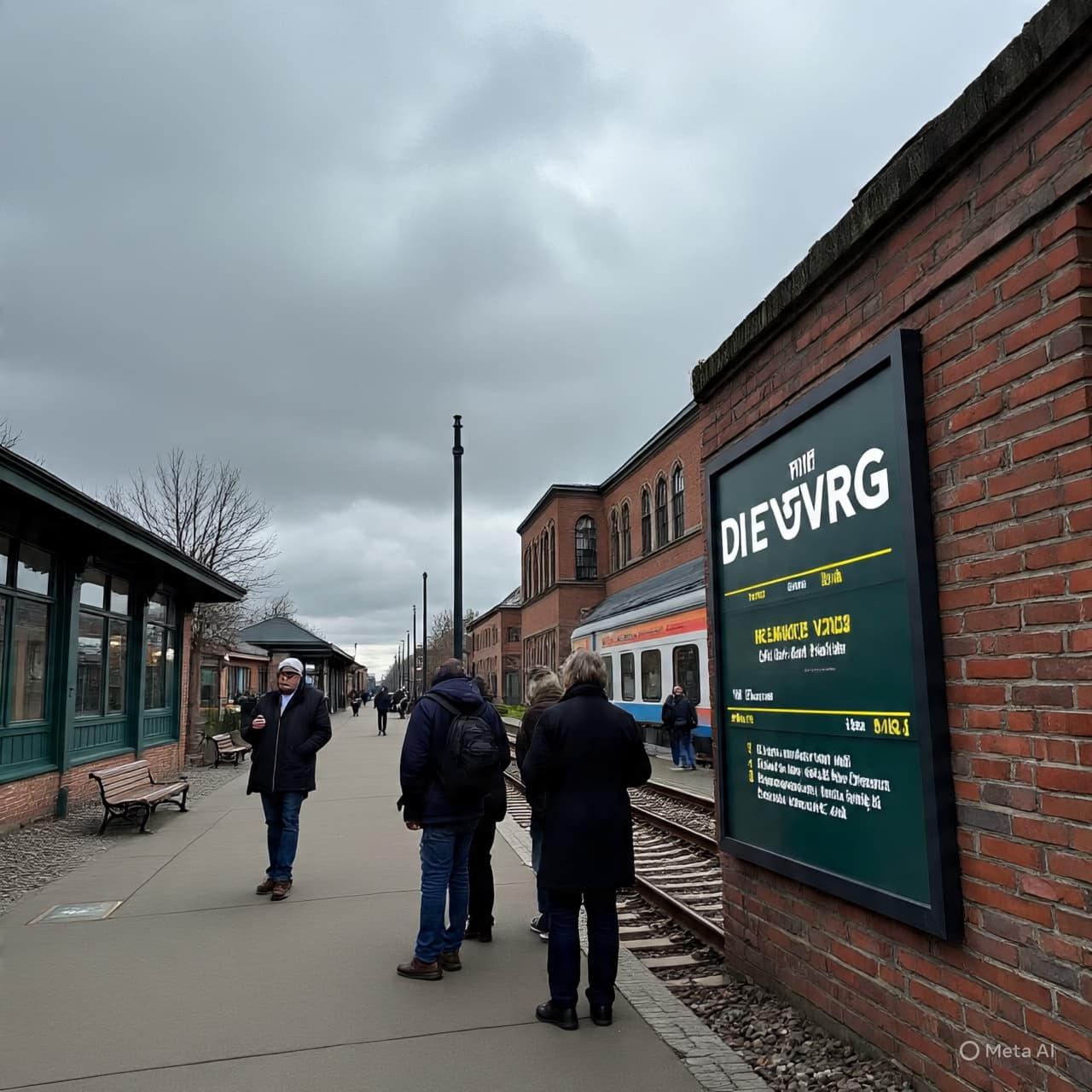
Transportation has been one of the first sectors to feel the effects of these weather disruptions. Train services have faced delays and cancellations, while other modes of travel have also been impacted. For many, what began as a routine journey quickly turned into an unexpected ordeal, with delays stretching longer than anticipated. This disruption serves as a reminder of how reliant we are on stable weather conditions for our daily activities.
The broader significance of these interruptions lies in their ability to highlight the delicate balance between human systems and the forces of nature. While disruptions may seem temporary, they expose the vulnerabilities inherent in our reliance on predictable weather patterns. As communities navigate these challenges, they are forced to adapt their routines and expectations, often without a clear moment of crisis.
In response to these changing conditions, communities have shown remarkable resilience. Rather than succumbing to frustration, many have adjusted their daily lives to accommodate the unpredictability of the weather. This adaptability reflects a deeper understanding of the interconnectedness of human activities and environmental changes. Observers have noted that these isolated weather events may be indicative of larger trends, prompting discussions about the implications of climate change.
The interruptions caused by weather also invite a moment of reflection. When daily routines are disrupted, it creates an opportunity to reconsider how much of our lives depend on stability. The absence of movement—whether it be delayed trains or slowed traffic—encourages a pause for observation and contemplation. In this way, weather transitions from being a mere backdrop to a significant force that shapes our experiences.
As conditions begin to stabilize, the return to normalcy may feel gradual. However, the experiences of disruption linger, influencing how future weather events are perceived and understood. It is not just about what was interrupted; it is about the insights gained during those moments of uncertainty. The weather serves as a reminder of our connection to forces beyond our control, emphasizing the importance of resilience and adaptability in the face of change.
In conclusion, the recent weather disruptions have not only affected transportation and daily routines but have also sparked a broader conversation about our relationship with the environment. As communities navigate these challenges, they are reminded of the importance of adaptability and the need to remain aware of the changing world around them.
Published by Banx Network. This article is part of the Banx decentralized media programme, powered by the BXE token on the XRP Ledger.



