
Key Highlights
- Allegations:Lebanese farmers claim Israeli herbicides drifted into their fields.
- Health Risks:Chemicals linked to cancer raise concerns for local populations.
- Economic Impact:Crop damage exacerbates existing vulnerabilities in southern Lebanon.
Lebanon's southern border region, where the land has witnessed countless seasons, is now facing a new threat that transcends traditional conflict. Farmers in this area have recently reported that herbicides allegedly sprayed by Israel have drifted into their agricultural lands, causing significant damage to crops. This situation has sparked a wave of accusations and heightened tensions, as the implications of chemical exposure extend beyond immediate agricultural losses.
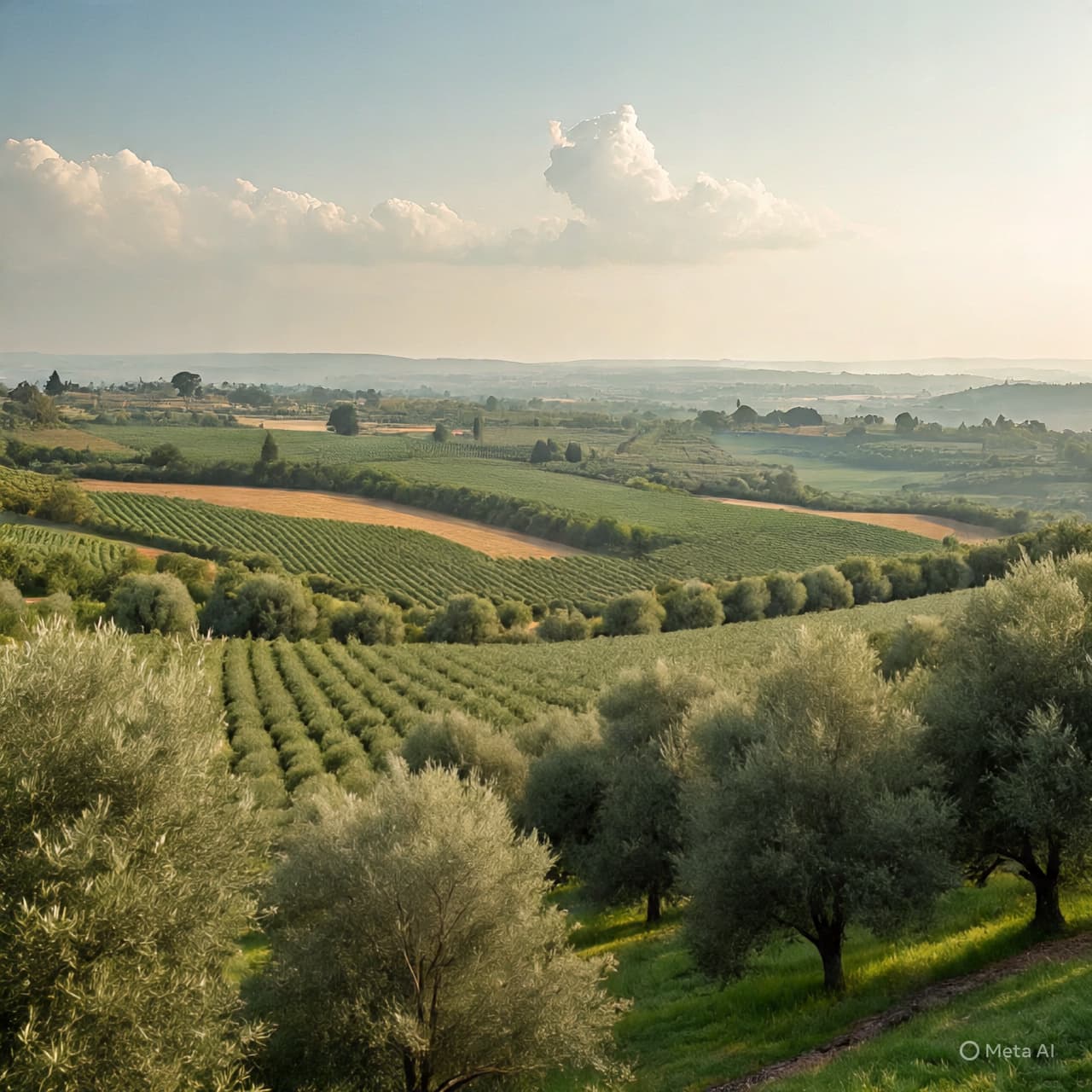
Local authorities and farmers assert that the herbicides, which are linked to increased cancer risks by international health organizations, have severely impacted their livelihoods. Reports indicate that the spraying occurred during critical cultivation periods, when crops were lush and vulnerable. Farmers have observed alarming signs: leaves turning yellow, plants wilting, and soil exhibiting chemical stress. For communities already grappling with economic hardship and regional instability, these developments represent an additional layer of vulnerability, transforming farmland into a source of anxiety and uncertainty.
Israel has previously acknowledged its use of herbicides along its borders, framing the practice as a necessary security measure to maintain visibility near fencing. However, critics argue that such justifications fail to account for the broader consequences of chemical drift. The proximity of agricultural zones on the Lebanese side means that even controlled spraying can lead to unintended contamination. In a region characterized by shifting winds, the potential for harm extends far beyond the intended target.
Environmental experts have raised alarms about the long-term effects of repeated herbicide exposure. These chemicals can degrade soil quality, contaminate water sources, and pose serious health risks to nearby populations. Unlike the immediate devastation caused by violence, the damage from chemical exposure often unfolds gradually, revealing its true cost only over time. This slow onset makes accountability challenging, as the harm is less visible and often goes unaddressed.
For farmers in southern Lebanon, the stakes are not merely environmental; they are existential. Their crops symbolize income, heritage, and survival. The fear of losing a season is compounded by the dread of land that may become unreliable—productive one year and poisoned the next. This uncertainty looms large over their agricultural practices and future.
In border regions, power dynamics are frequently defined by what crosses unseen. In this instance, it was not military forces or weaponry, but rather invisible particles carried by the wind. As investigations and denials unfold at higher levels, the fields below continue to absorb the consequences of these actions, consequences that no official statement can easily reverse.
The situation remains fluid, with ongoing discussions about accountability and the need for protective measures to safeguard agricultural integrity. As the community grapples with the fallout, the hope is for a resolution that acknowledges the complexities of border dynamics and the urgent need for environmental stewardship.
Published by Banx Network. This article is part of the Banx decentralized media programme, powered by the BXE token on the XRP Ledger.



