
Key Highlights
- Incident:A polar bear attack in Dikson, Siberia, injured three residents.
- Investigation:Authorities are probing the circumstances leading to the attack.
- Community Response:Increased vigilance and safety measures are being implemented.
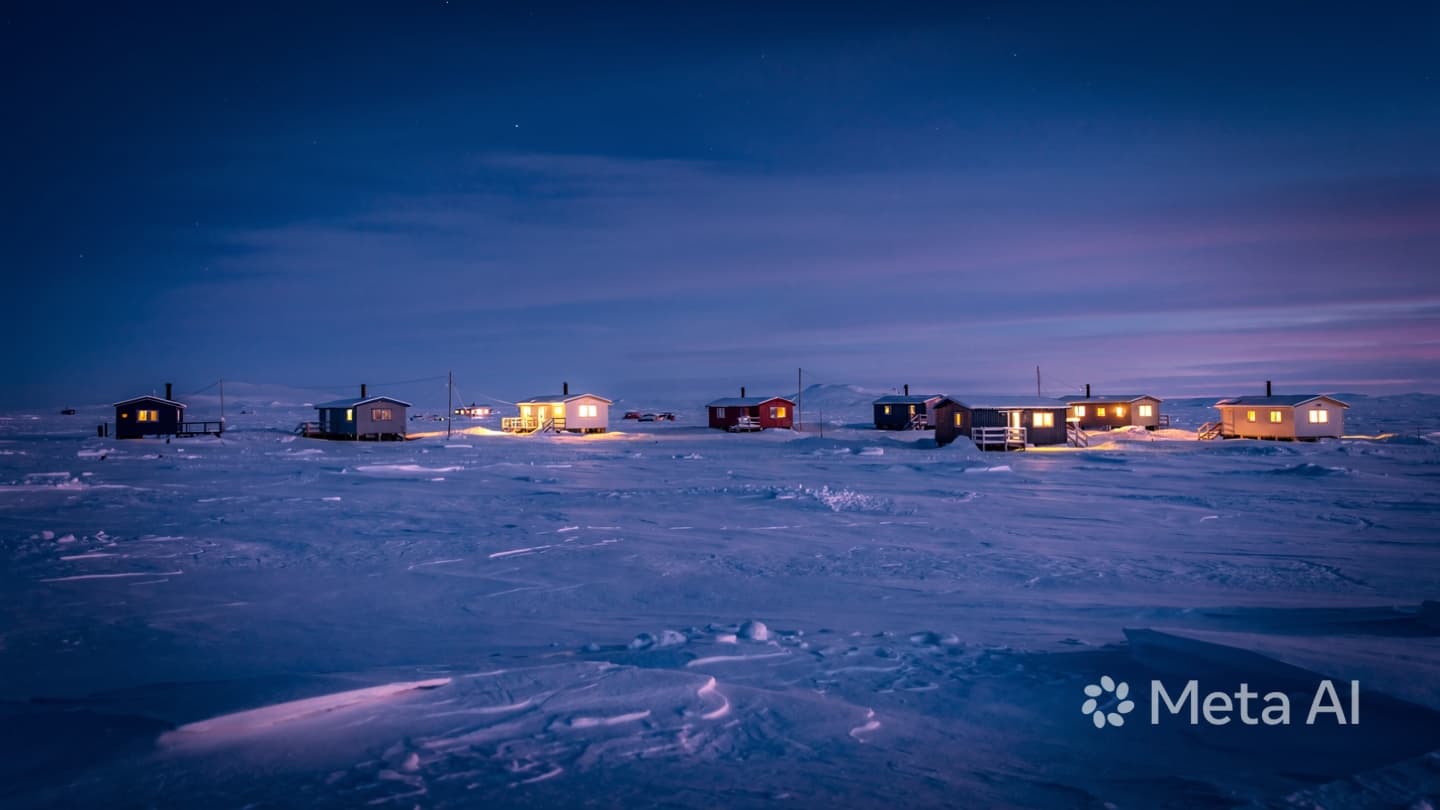
In the remote reaches of the Siberian Arctic, the world is a vast, white silence, a landscape where the boundary between the wild and the inhabited is thin and constantly shifting. Here, the polar bear is not merely a symbol of the north, but a living, breathing ghost that haunts the periphery of human settlements. It is a creature of the ice and the wind, a predator that commands a reverence born of both beauty and terror. Usually, these two worlds exist in an uneasy parallel, but occasionally, the ice brings them into a violent, intimate collision.
A recent incident in the Siberian settlement of Dikson starkly illustrates this collision. Three individuals were injured when a polar bear, drawn into the village by improperly secured food waste, attacked a group near a local store. This event serves as a sharp, visceral reminder of the terms on which life is lived in the high north. The Arctic does not offer apologies; it only offers the reality of its hunger and its strength.
The investigation into the attack is a rare intersection of biology and law. Authorities are tasked with determining what drove the animal so deep into the human environment—whether it was the shifting of the ice, the scarcity of traditional prey, or a failure in the settlement’s own deterrent systems. This inquiry seeks to find a pattern in a moment of chaos, as the evidence of a struggle is as old as the tundra itself, a record of claw and tooth against the structures of men.
In these remote villages, the arrival of a
Published by Banx Network. This article is part of the Banx decentralized media programme, powered by the BXE token on the XRP Ledger.



