
Key Highlights
- Stranded Travelers:A sudden blizzard trapped vehicles on Trešnjevik Pass.
- Rescue Operations:Emergency services mobilized to assist stranded motorists.
- Infrastructure Concerns:Discussions on improving winter safety measures are underway.
The Trešnjevik Pass stands as a towering, high-altitude choke point within the eastern mountain spine, a stretch of asphalt that winds precariously over mountain folds to connect the isolated valleys of the north. For generations, this winding route has served as a critical, though hazardous, geographic link, demanding a high level of winter driving literacy from locals who brave its sheer drops and unyielding gradients. The surrounding landscape, dominated by ancient beech forests and sharp limestone cliffs, projects an aura of timeless majesty under a clear sky. Yet, when the barometric pressure drops over the inland peaks, this beautiful alpine corridor can transform into a freezing trap within a matter of minutes.
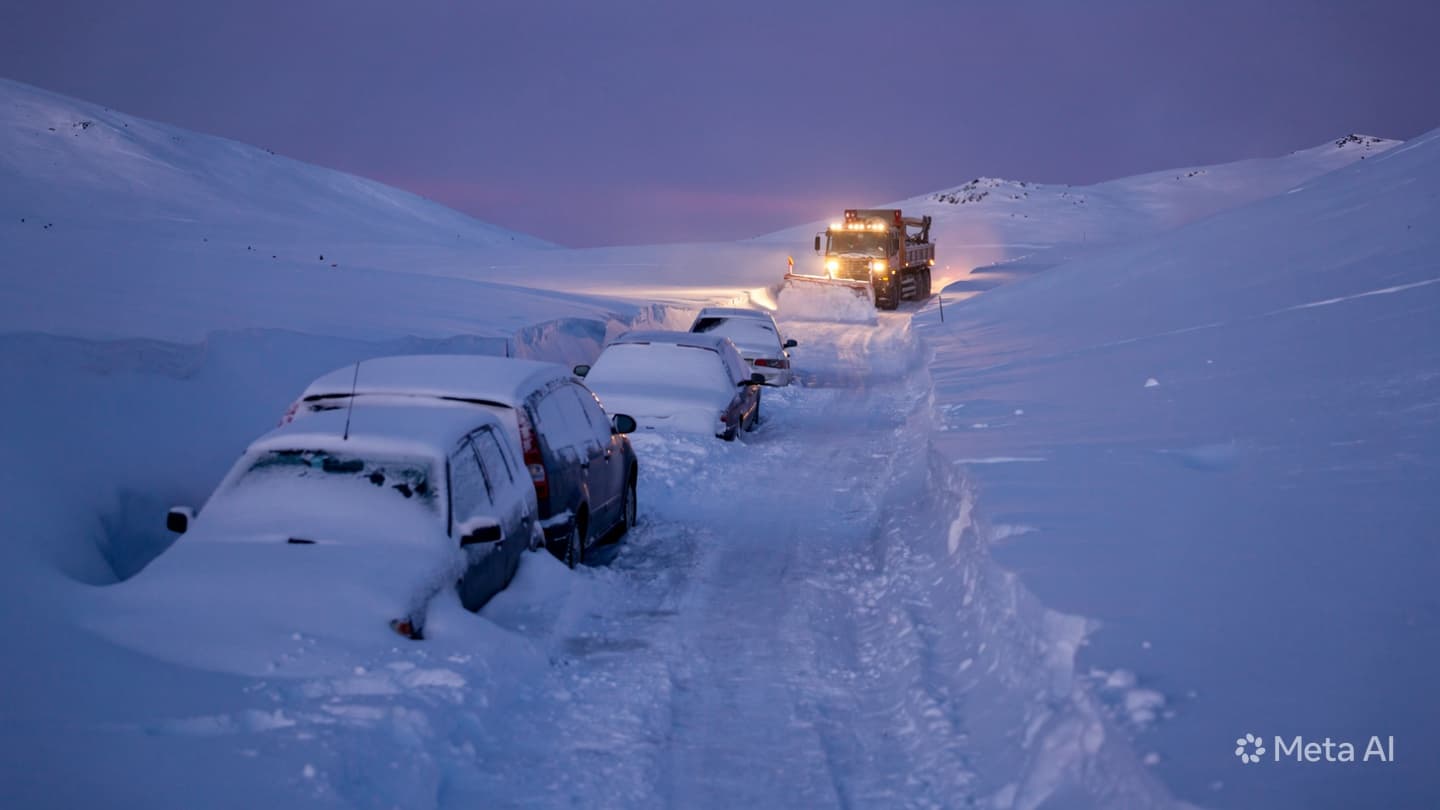
On a recent late afternoon, an unexpected drop in temperature occurred as an Arctic air mass collided with moisture rising from the southern river basins. This transition from light freezing rain to a dense, blinding blizzard happened with disorienting speed, quickly overwhelming the visibility of passing motorists. The wind howled through the exposed gaps of the ridge, driving heavy snowfall into deep drifts that accumulated across the lanes faster than municipal road plows could clear them. Within an hour, a dozen vehicles, including local passenger sedans and light commercial delivery vans, found themselves immobilized on the steep incline, their wheels spinning uselessly against the packing ice.
As darkness fell over the pass, the situation escalated into a tense crisis of survival for the stranded travelers, who were forced to keep their engines idling to maintain cabin heat against the dropping external temperatures. The sheer volume of snow accumulation, combined with zero-visibility conditions, created a physical wall that effectively severed the convoy from immediate municipal assistance. This specific variety of winter peril is unique to high passes, where a routine regional journey can abruptly turn into a test of endurance against the elements. Stranded drivers pooled their resources, sharing blankets and limited fuel supplies as they awaited the arrival of clearance crews.
The immediate rescue response required a coordinated mobilization of the mountain rescue service and heavy rotary snowplow units from the nearest low-altitude maintenance depots. Rescuers navigated the treacherous approaches under the glare of powerful spotlights, their progress slowed by the risk of localized snow slides along the overhanging banks. Working through the midnight hours, emergency personnel reached the first stranded vehicles on foot, clearing exhaust pipes to prevent carbon monoxide poisoning and providing hot beverages to the shaken passengers. The operation's success lay in the rapid extraction of several young children and elderly travelers, who were transferred to all-wheel-drive rescue vehicles and escorted down to emergency shelters in the valley.
By the following morning, the storm had moved eastward, leaving the Trešnjevik Pass buried under a thick, uniform mantle of white that stood in stark contrast to the yellow machinery working the drifts. Heavy clearance operations continued throughout the day, with industrial snowblowers carving a narrow path through walls of packed snow that reached higher than the roofs of the stranded sedans. Traffic management authorities officially closed the pass to all commercial transport, maintaining a strict checkpoint at the base of the mountain to prevent additional vehicles from entering the hazard zone. The structural clearing of such high passes remains a slow, calculated struggle against the physical realities of alpine geography.
The recurring vulnerability of the Trešnjevik route to early-season blockages has intensified discussions regarding the modernization of the northern transit infrastructure. Transport experts emphasize that while new highway tunnels have bypassed some of the lower gorges, these historic high-altitude passes remain essential lifelines for smaller agrarian communities that dot the mountain plateaus. Local officials are advocating for the installation of permanent snow fences along the most exposed ridges to mitigate the effects of wind-driven drifts. The economic cost of these brief, intense closures is measured in disrupted local supply lines and the strain placed on rural emergency budgets.
As the afternoon sun cast long, blue shadows across the cleared lanes, the community reflected on the challenges faced during the blizzard and the importance of preparedness for future winter storms.
Published by Banx Network. This article is part of the Banx decentralized media programme, powered by the BXE token on the XRP Ledger.



