There are places on Earth so remote that even our most distant ancestors could scarcely imagine them, and yet these vast frozen expanses now send us messages not in whispers but in patterns of light and contrast from space. When satellites orbit high above Antarctica, their instruments record changes in ice and ocean that, over time, sketch a portrait of transformation — not just of ice itself, but of the living world that depends on it.
In recent years, images and data from space have shown something that once might have seemed almost unimaginable. Huge swaths of Antarctic ice — grounded ice that once rested firmly on the continent — are vanishing, retreating at sites like the Amundsen Sea sector where deep and warm ocean waters are reaching under glaciers and eroding them from below. Over the past three decades, roughly 12,820 square kilometers of ice — an area many times the size of a major city — has pulled back, revealing more open water and reshaping the edges of the Southern Ocean.
For ecosystems accustomed to millions of years of relative stability, such change does not arrive gently. Sea ice and the frigid waters it shelters have traditionally provided the foundation for Antarctic life. Tiny crustaceans such as krill thrive under and around sea ice, feeding on algae and serving as crucial food for fish, seals, penguins, and whales. Satellite monitoring, alongside other scientific surveys, shows that as summer and winter sea ice diminish, conditions once friendly to krill reproduction and survival are shifting.
As open ocean increases, so too does sunlight penetration, fostering blooms of phytoplankton — microscopic plants that form the base of marine food chains. At first glance, a surge in these tiny organisms might seem like a sign of productivity; indeed, satellite images often reveal greater concentrations of phytoplankton in newly ice‑free waters. Yet this altered foundation supports a very different cast of characters in the ocean’s intricate web of life.
One of the more striking shifts documented by researchers is the rise of salps, gelatinous filter‑feeding creatures well adapted to open and warmer waters. Salps feed on smaller phytoplankton and can multiply rapidly, often outcompeting krill in conditions that now prevail more frequently in parts of the Southern Ocean. Unlike krill, which are rich in fats and provide a dense source of energy up the food chain, salps are less calorie‑dense and do not contribute as effectively to carbon storage deep in the ocean when they die and sink.
The satellite revelations therefore point to more than melting ice; they trace out an emerging shift in the food pathways that sustain Antarctic life. Seals, penguins, and whales that once followed the seasonal rhythms of krill abundance may find their familiar food sources less reliable as the microbial tapestry of the Southern Ocean changes. Satellite data also suggest that species such as emperor penguins, which depend on stable sea ice for breeding and molting, are facing fresh stresses as their icy platforms shrink and become less predictable.
These transformations are not uniform across the continent. Much of Antarctica’s coastline has shown little measurable retreat in some long‑term satellite records, indicating broad regional stability in the grounding line — the boundary where ice anchored on land meets ocean water. Yet pockets of accelerated retreat, particularly in West Antarctica and the Antarctic Peninsula, stand out as hotspots of change where warmer waters and shifting winds marshal their influence more forcefully.
At the heart of this unfolding story is a kind of perspective unique to satellites: the ability to see not only where ice disappears, but how the shape of the ocean’s surface and the colours of its blooms evolve over time. These orbital eyes provide a long‑range view of processes that, while subtle at first, accumulate into profound shifts in how ecosystems function.
In practical terms, the recent satellite evidence shows that Antarctic ice sheets are retreating in key regions, opening waters earlier and for longer periods each year, and that the resulting changes are altering marine food webs by favouring organisms like salps over krill. Scientists caution that these trends could have cascading effects on larger species and carbon cycles, with consequences reaching far beyond the Antarctic Circle.
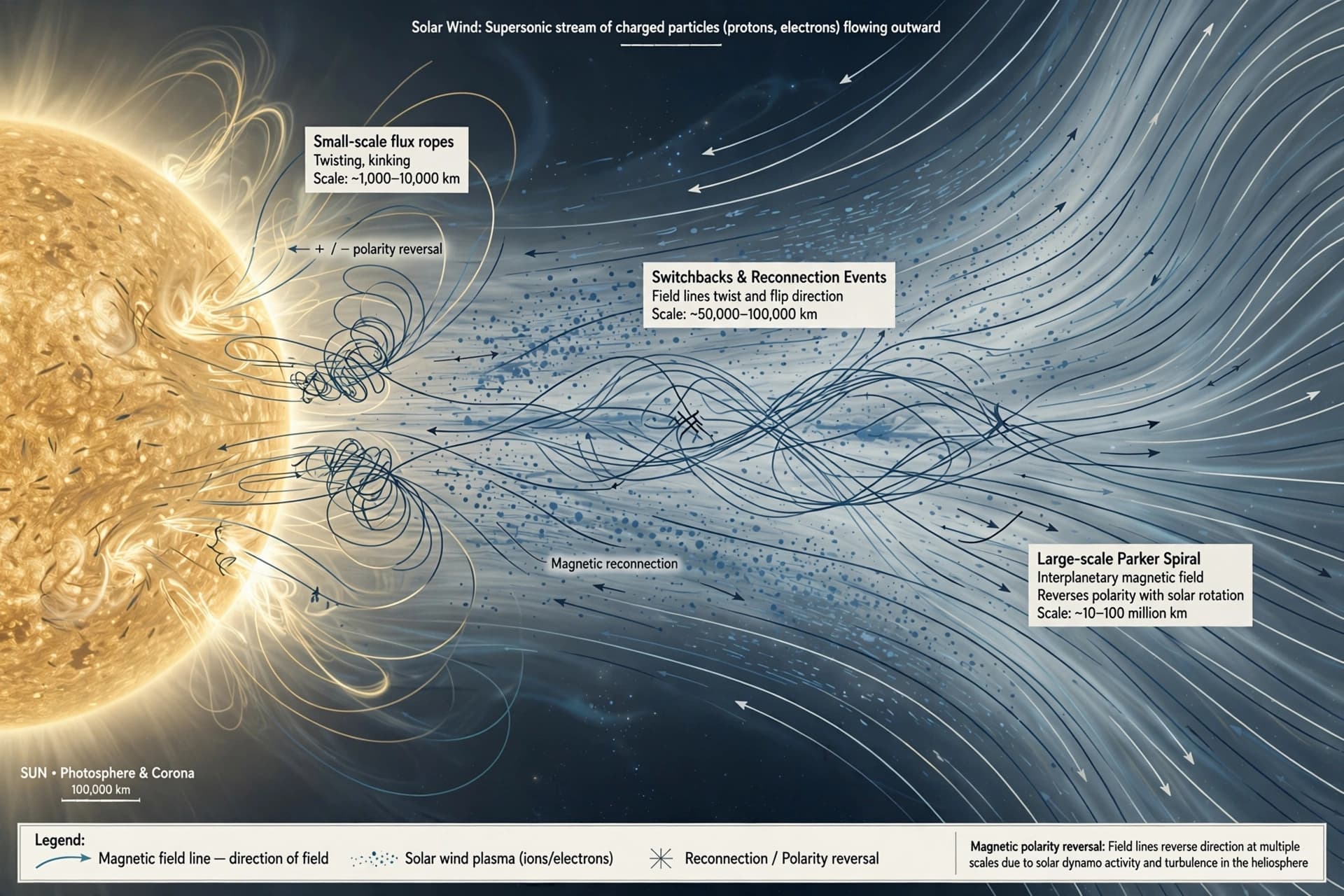
AI Image Disclaimer Graphics are AI‑generated and intended for representation, not reality.
Sources Reuters Bloomberg The Guardian Inside Climate News Indian Defence Review
Published by Banx Network. This article is part of the Banx decentralized media programme, powered by the BXE token on the XRP Ledger.