

Key Highlights
- Incident:Israeli police blocked Catholic leaders from Palm Sunday Mass.
- Location:Church of the Holy Sepulchre, Jerusalem.
- Response:Diplomatic concerns raised over religious access restrictions.
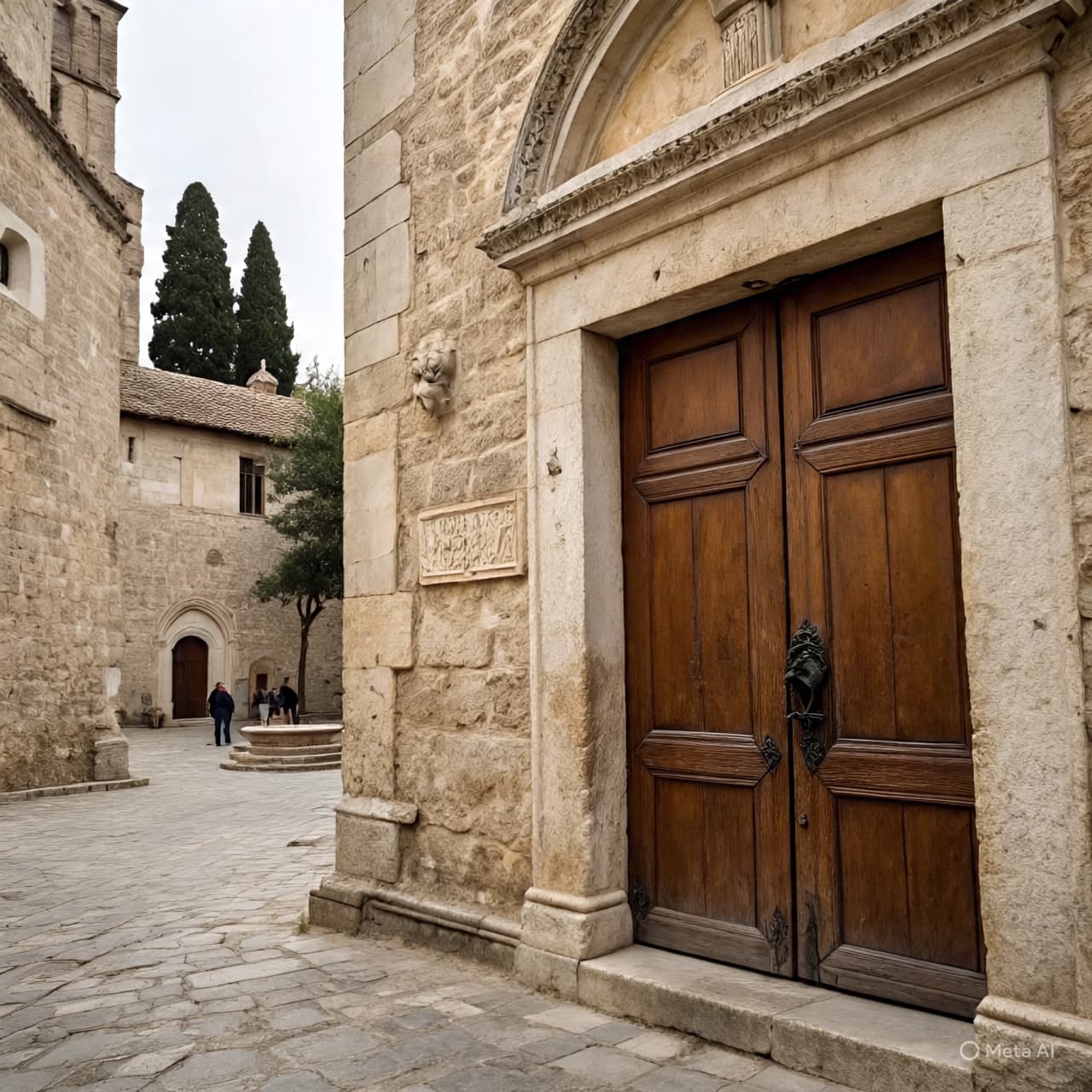
On March 29, 2023, the traditional observance of Palm Sunday was disrupted in Jerusalem when Israeli police prevented two senior Catholic leaders from entering the Church of the Holy Sepulchre. This church is revered by Christians as the site of Jesus Christ's crucifixion and resurrection. The Latin Patriarch of Jerusalem, Cardinal Pierbattista Pizzaballa, and Father Francesco Ielpo, the Custos of the Holy Land, were unable to carry out the Mass, marking a significant interruption in a centuries-old tradition.
The decision to restrict access was attributed to wartime safety measures in the Old City, where large gatherings have been limited due to ongoing regional tensions. Authorities cited concerns about safety and emergency access in the narrow streets surrounding the church, particularly in light of missile threats related to the broader Middle East conflict. This unprecedented action has raised alarms among religious communities and observers alike, who view access to sacred sites as essential to their spiritual practices.
In response to the blockade, Cardinal Pizzaballa and Father Ielpo adapted their plans by holding a service at the Church of All Nations on the Mount of Olives. This gathering, though smaller, allowed for prayers for peace and remembrance of those unable to attend the Holy Sepulchre. The Latin Patriarchate condemned the police action as “manifestly unreasonable and grossly disproportionate,” reflecting the sentiments of many who believe that such restrictions undermine the essence of religious observance.
The incident has sparked diplomatic reactions, with officials from Italy and France expressing concern over the implications of restricting worship during Holy Week, a significant period in the Christian calendar. U.S. representatives echoed these sentiments, emphasizing the need for religious freedom and access to sacred sites. In light of the backlash, Israeli Prime Minister Benjamin Netanyahu's office clarified that the safety measures were not intended to infringe upon religious rights and indicated a willingness to coordinate access for church leaders and worshippers during the remainder of Holy Week.
This event also highlights the broader context of religious access in Jerusalem, where worshippers from various faiths, including those at Al-Aqsa Mosque and the Western Wall, have faced similar restrictions based on security assessments. Local residents noted a quieter atmosphere in the Old City, with traditional processions and gatherings significantly scaled back due to the heightened security concerns.
As the situation evolves, the balance between public safety and the preservation of religious traditions remains a critical issue. While the barring of entry to the Church of the Holy Sepulchre was unprecedented in modern times, both authorities and church leaders have expressed a commitment to finding solutions that respect both faith and security. The hope is that the remainder of Holy Week can be observed with the reverence and accessibility that such sacred occasions demand.
In summary, the Israeli police's decision to prevent the Latin Patriarch and another senior cleric from entering the Church of the Holy Sepulchre for Palm Sunday Mass has drawn significant criticism and concern from religious and diplomatic circles. As discussions continue regarding access for future services, the incident underscores the ongoing complexities of faith and security in Jerusalem.
Published by Banx Network. This article is part of the Banx decentralized media programme, powered by the BXE token on the XRP Ledger.




