

Key Highlights
- Oil prices declined following confirmation of normal operations at Mina al Fahal.
- The terminal is crucial for Oman's crude exports, handling a significant share of the country's oil shipments.
- Geopolitical tensions in the Middle East continue to influence market expectations.
The global oil market often resembles a vast sea where even small waves can capture the attention of distant shores. On June 5, traders watched closely as uncertainty surrounding Oman's Mina al Fahal export terminal briefly stirred concerns before officials confirmed that operations were continuing normally. In response, oil prices edged lower, reflecting a measure of relief across energy markets.
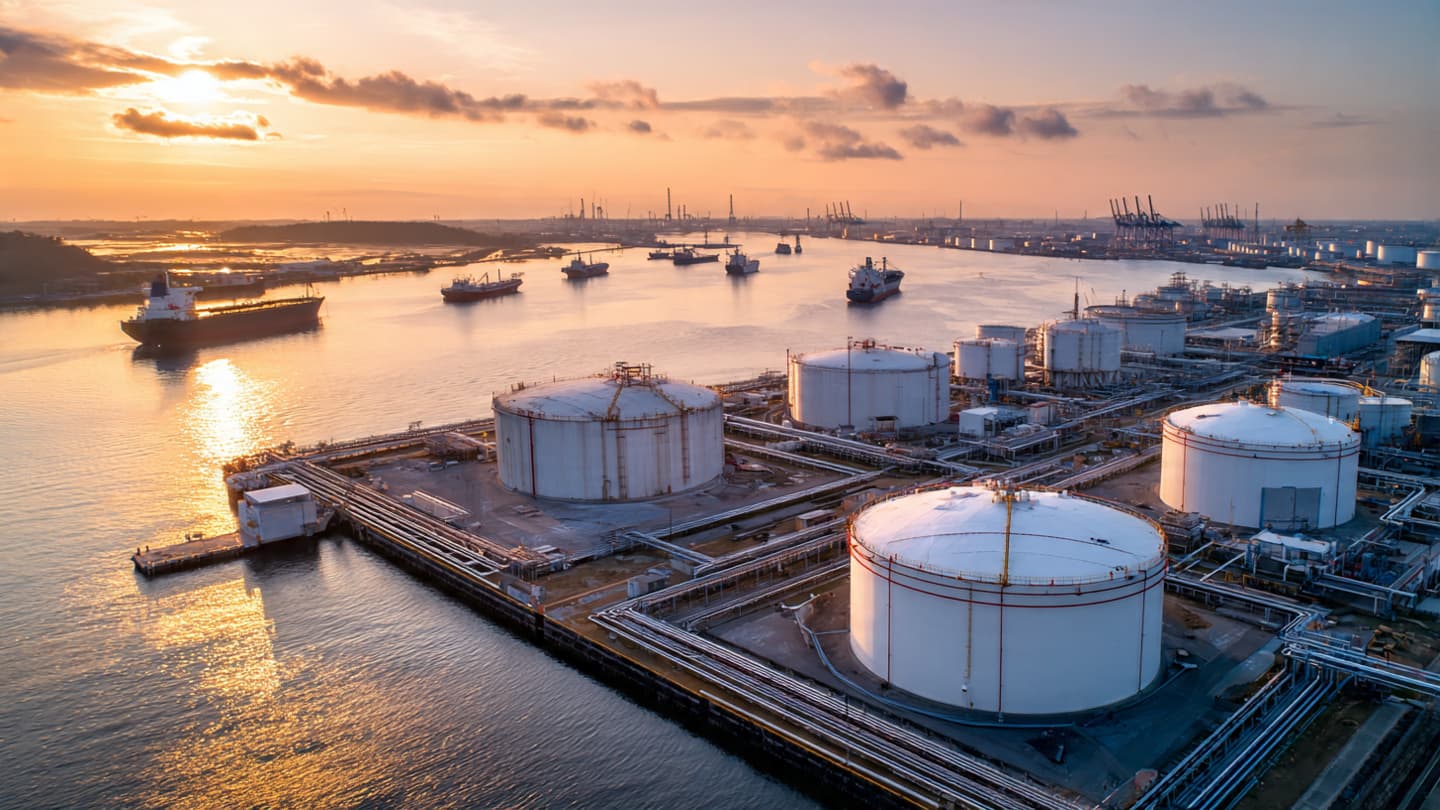
Earlier reports had raised questions about potential disruptions at the terminal following an explosion near loading facilities. Such developments naturally attracted attention because Mina al Fahal serves as one of Oman’s key crude export hubs, handling a significant share of the country's oil shipments. The terminal's stability is vital not only for Oman but also for global oil supply chains, making any disruption a matter of concern for traders worldwide.
As official clarification emerged, market participants reassessed the situation. Petroleum Development Oman stated that oil loading activities were continuing, easing immediate concerns over supply interruptions and helping stabilize sentiment among traders. This confirmation was crucial in restoring confidence in the market, as traders often react swiftly to news that could impact supply.
Despite the modest decline in prices, broader market conditions remain influenced by several competing forces. Ongoing geopolitical tensions across the Middle East continue to shape expectations regarding future supply risks and transportation routes. The Strait of Hormuz remains particularly important in this context. As one of the world's most significant energy transit corridors, developments near the region often ripple through global commodity markets, affecting both producers and consumers far beyond the Gulf.
At the same time, analysts continue to monitor inventory levels. Concerns about tightening global oil supplies have not disappeared, and some observers believe reduced stockpiles could support higher prices later in the year if demand remains resilient. The interplay between supply and demand dynamics is critical, especially as economies recover from the impacts of the pandemic and energy consumption patterns shift.
Additional uncertainty stems from diplomatic developments involving Iran and the United States. Negotiations and regional security concerns remain intertwined with energy markets, creating an environment where prices can respond quickly to new information. The potential for sanctions or military actions can lead to volatility, making it essential for traders to stay informed about geopolitical developments.
For now, however, the confirmation that Mina al Fahal continues to function normally has provided a degree of reassurance. The episode serves as another reminder of how closely global markets follow operational developments at critical energy infrastructure sites. Market participants are expected to remain attentive in the coming days, balancing immediate operational updates against wider geopolitical and economic trends that continue to influence the global energy landscape.
Published by Banx Network. This article is part of the Banx decentralized media programme, powered by the BXE token on the XRP Ledger.




