Sri Lanka is no stranger to monsoon rains, but the storms that swept across the island in recent days carried a weight no forecast fully captured. What began as heavy rainfall intensified into a series of destructive floods and landslides, leaving communities uprooted, neighborhoods submerged, and the nation grappling with a rising death toll that has now reached 159. Many more remain missing, their families navigating a painful stretch of uncertainty.
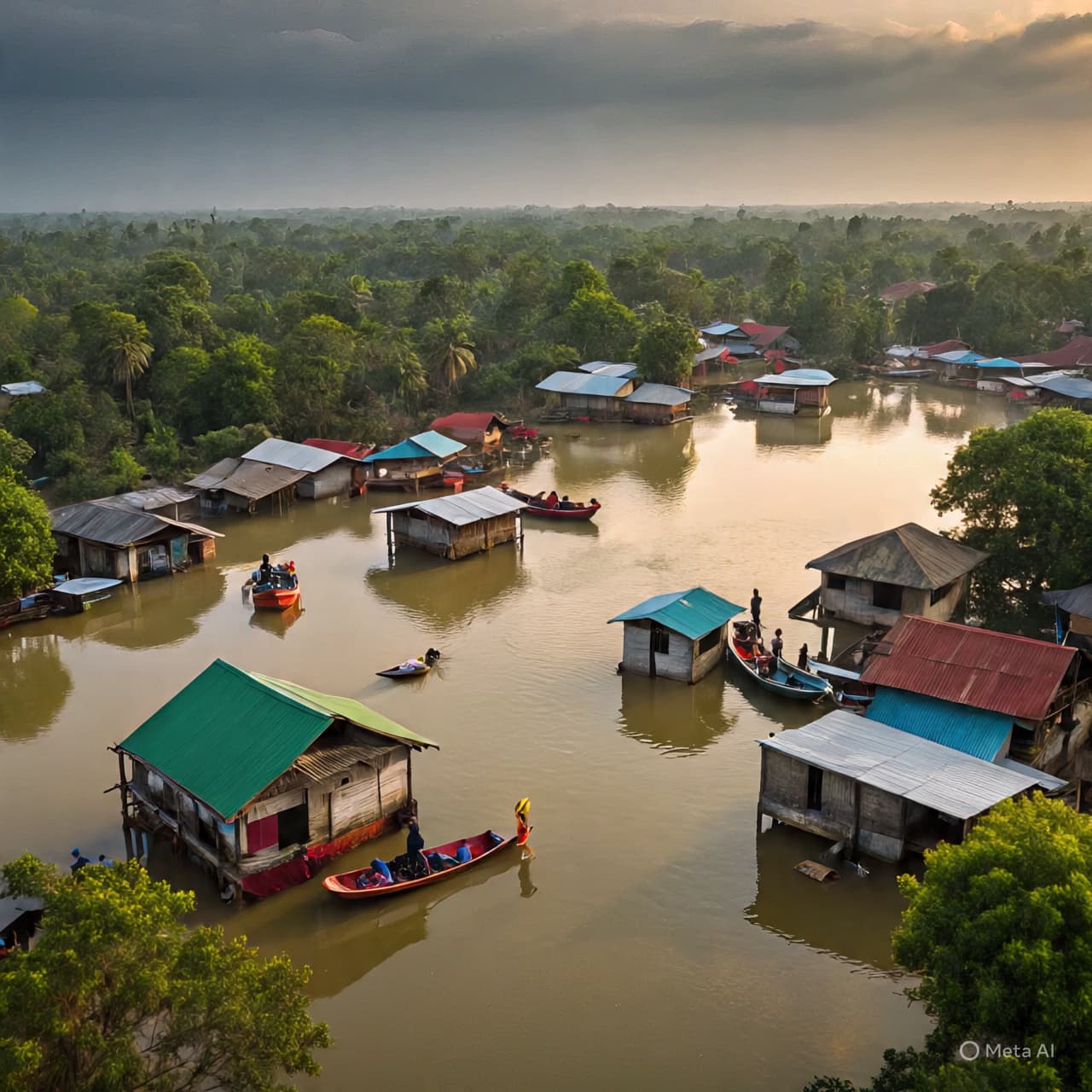
Across the hardest-hit districts, the scenes are stark. Homes that once stood firmly along riverbanks now sit twisted or filled with mud. Streets have turned to waterways, interrupted by debris and abandoned vehicles. Rescue workers move through neighborhoods on boats, searching for survivors, marking locations, and guiding displaced residents toward makeshift shelters.
For many families, the speed of the disaster offered little time to react. Evacuations were rushed, some called for in the middle of the night as water levels surged with alarming force. Landslides triggered by saturated hillsides buried clusters of homes in rural areas, leaving rescuers racing against unstable ground and fading daylight.
Shelters across the country hold thousands who arrived with only what they could carry. Volunteers distribute food, blankets, and clothing. Parents soothe children still shaken by the noise of collapsing earth or rushing water. Stories circulate of narrow escapes—climbing to rooftops, wading through waist-deep currents, or waiting hours for rescue crews navigating blocked routes.
Authorities continue damage assessments, but the scale is already evident. Roads have been washed out. Power lines hang low or severed. Croplands crucial to the country’s food supply sit waterlogged and ruined. With communication disrupted in several zones, the number of missing remains uncertain.
Yet amid the devastation, Sri Lanka’s resilience persists. Neighbors check on neighbors. Local fishermen turn their boats into rescue craft. Community groups set up donation points, gathering supplies for people they may never meet. The instinct to rebuild—quiet, determined, and familiar—begins even before the waters fully recede.
As recovery efforts intensify, the challenge ahead is not just restoring what was lost but reinforcing what remains. The floods have revealed how vulnerable certain regions are to shifting weather patterns and how quickly stability can give way to crisis.
For now, the nation mourns, searches, and steadies itself for the long work ahead. The rain has moved on, but its mark is unmistakable—etched across landscapes, recorded in the rising toll, and carried in the memories of those who survived the storm’s swift and unforgiving path.
Published by Banx Network. This article is part of the Banx decentralized media programme, powered by the BXE token on the XRP Ledger.